The Soviet aircraft, designated Yak-141 and bearing tail number 75, went down in history as the first Soviet supersonic vertical takeoff and landing aircraft.
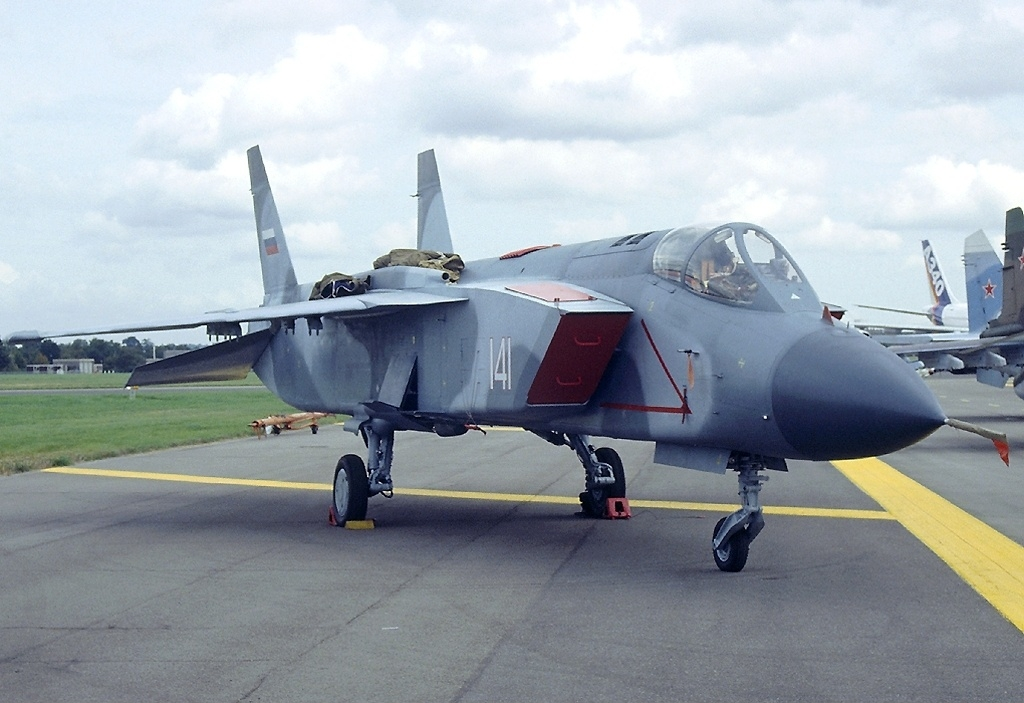
The Yak-141 (product 48/48M) is a multirole supersonic all-weather carrier-based fighter with vertical or short takeoff and landing, developed by the Yakovlev Design Bureau. It became the third vertical takeoff and landing aircraft in the world to break the sound barrier, after the EWR VJ 101 and Dassault Mirage IIIV. Its task was to protect aircraft carrier groups, gain air superiority, and strike ground and sea targets.
The aircraft was developed from the mid-1970s, and the first flight took place in 1987. It was planned that the Yak-141 would be part of the air groups of several aircraft-carrying cruisers, replacing the Yak-38. However, the tests were delayed, and the first landing on the deck was performed only in 1991.
Work on the appearance of the future aircraft began in 1973. It was assumed that it would be supersonic, equipped with an onboard radar and have an increased range. Unlike foreign counterparts, the Yak-141 was created as a serial combat aircraft. The development was also associated with the creation of a new R79V-300 engine.
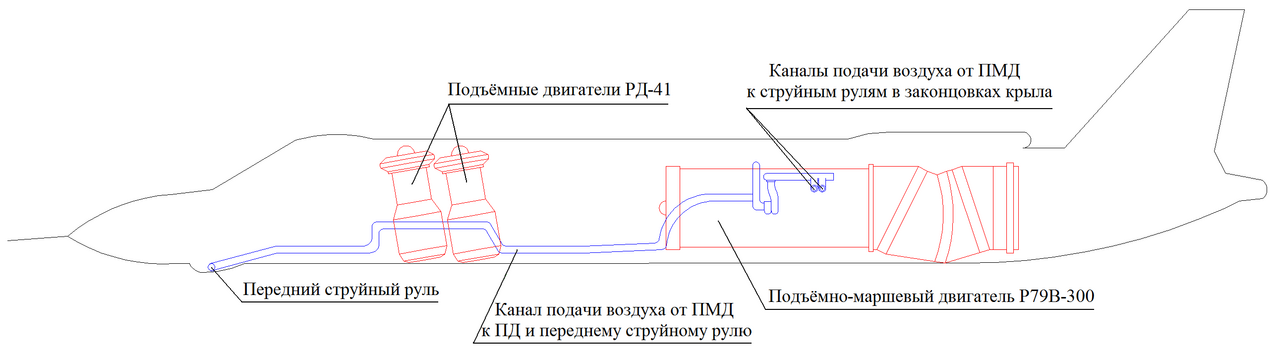
Initially, it was planned to place two lift engines in the nose of the aircraft, but later the Yak-38 scheme was chosen with the placement of the lift engine compartment behind the cockpit. The designers had to use a non-standard scheme with two cantilever beams to accommodate the vertical tail and stabilizers.
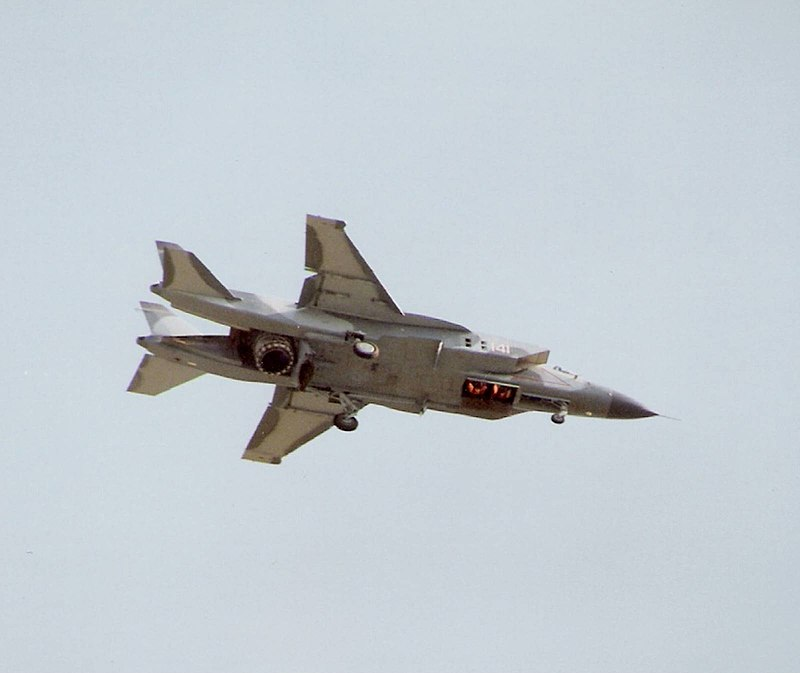
In 1984, the first prototype was assembled for ground tests, which began in June. The tests were delayed due to problems with engine supplies, and the first flight of the flight prototype took place only on March 9, 1987. In 1989, 6 more flights were made.
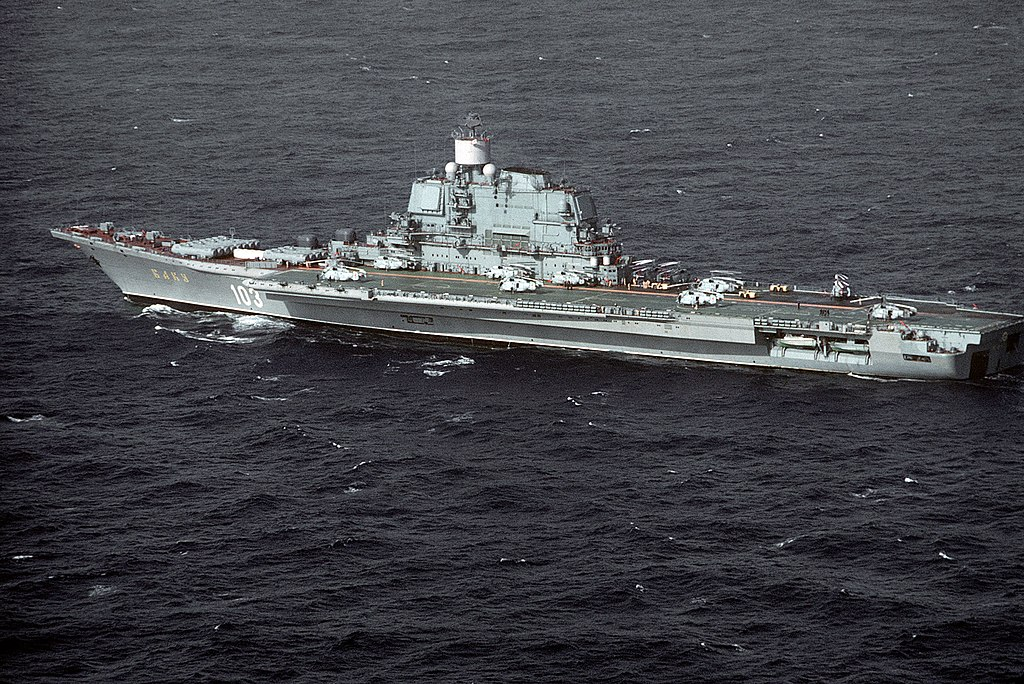
In September 1991, both prototypes were sent for testing on the TAKR "Admiral Gorshkov", and already on October 5, 1991, the second aircraft crashed, which led to the suspension of the program and its closure in 1992.
Shortly after the collapse of the USSR, the project was closed due to the economic crisis, the accident of one of the prototypes, and the negative attitude of the military towards vertical takeoff and landing aircraft. Two flight copies of the Yak-141 have been preserved as museum exhibits.
The Yak-141 is a Soviet supersonic vertical takeoff and landing fighter (VTOL). According to NATO codification - Freestyle.
Technical characteristics of the Yak-141 aircraft:
- Dimensions: wingspan in the unfolded position - 10.1 m, in the folded position - 5.9 m, length - 18.3 m, height - 5 m.
- Wing area: 31.7 m².
- Maximum takeoff weight: with a takeoff run of 120 m - 19,500 kg, with vertical takeoff - 15,800 kg.
- Maximum speed: near the ground - 1250 km/h, at an altitude of 11 km - 1800 km/h.
- Practical range: near the ground - 1010 km, at an altitude of 10-12 km - 1400 km, at an altitude of 10-12 km with PTB - 2100 km.
- Practical ceiling: 15,000 m.
- Crew: 1 person.
Earlierwww1.ru reported thatthe head of Roscosmos said that in the next 10 years Russia will build and launch about 300 rockets.
Read also materials:
Now on home

Start of deliveries scheduled for 2027

Over 51,000 new motorcycles were sold in Russia in 2025

The car will take at least a year to assemble

The application's audience has reached 20 million users

The model will be included in the list of cars for taxis, price - from 2.25 million rubles

All parking lots of the "Administrator of the Moscow Parking Space" are connected to the service

The cars will be supplied to the Moscow Transport Service Directorate
Deliveries to India may begin in 2028
The technology provides automated search for all types of defects in power units
The plane flew 500 km, accelerating to 425 km/h

The plant stated that the information about the termination of purchases for models 6 and 8 is not true

Scientists are using the "Ekran-M" installation
Articles
-
Russian An-124 "Ruslan" Stuck in Canada for 4 Years and Accrues Millions in Fines
26 Jan 2026
-
Coaxial Propellers: How Counter-Rotation Increases Turboprop Engine Efficiency
25 Jan 2026
-
Kazan Aviation Plant Breaks Old System: Tu-214 to be Assembled Like Cars
25 Jan 2026
-
How Engineers and Technicians Are Paid Today in the Russian Aviation Industry: An Overview with Figures
24 Jan 2026