Russian authorities are tightening laws against droppers. Who are they, what do they do, and why is the state fighting them?
Who is a dropper and what do they do?
A dropper, or simply a drop, is a person whose bank card is used to transfer or cash out stolen money. When phone scammers convince a victim to transfer money to a supposedly safe account, they provide not their own details, but the dropper's details. This helps them confuse the police and avoid responsibility.
You can become a dropper both voluntarily and accidentally. In the first case, the person consciously hands over their card to scammers for a reward or cooperates with them. In the second case, if someone has lost access to their card and the attackers have gained access to it.
There are three main schemes for droppers:
Drop-filler: a person receives cash from an attacker, deposits it into their account, and then transfers it to other drops.
Drop-transit: money is received on the card of an individual, who then transfers it to other cards or electronic wallets.
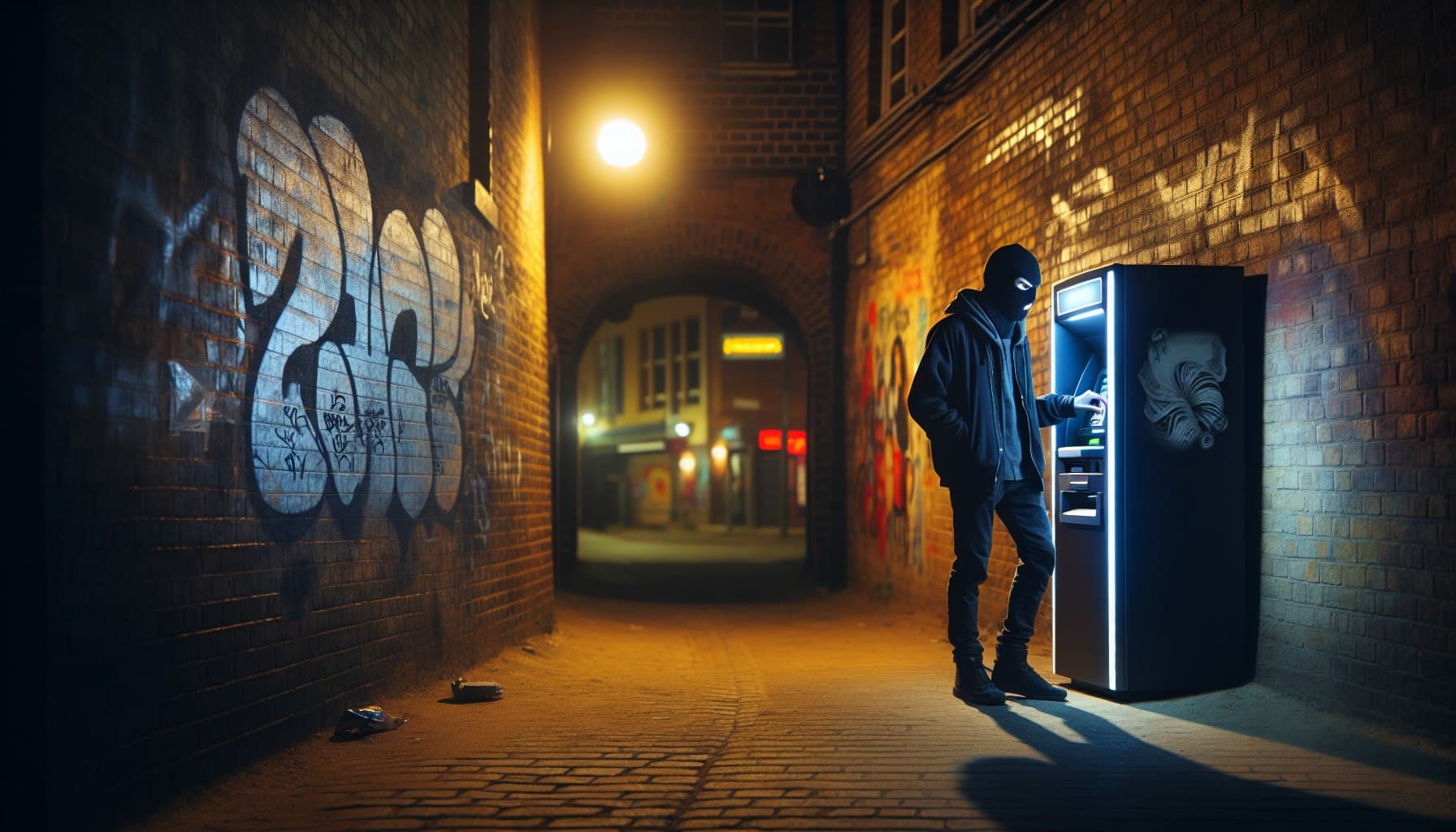
Drop-casher: the dropper withdraws money from an ATM and hands it over to scammers.
Usually, droppers receive a portion of the stolen funds as a reward for participating in the criminal scheme.

How to become a dropper
You can become a drop by accident. For example, by losing access to a bank card. But sometimes a person becomes an accomplice to a crime without even realizing it. Here are a few examples:
Erroneous money transfer. 100 thousand rubles are unexpectedly credited to your card. Then a stranger calls and says that they accidentally sent the money to the wrong account. They ask you to return it, offering to leave five thousand rubles for yourself as a thank you for your help. By agreeing to this offer, you may become an accomplice to a crime. In such a situation, it is best to immediately report the transfer to the bank.
Request to withdraw money from an ATM. A person approaches you at an ATM and says that they forgot their bank card at home. They are in great need of cash and offer to transfer the amount to your card so that you immediately withdraw the money and give it to them. At first glance, there is nothing suspicious about this. However, if the money received was stolen, you risk becoming a drop-casher.
Work with transfers. Attackers may offer a job seeker work related to transferring or cashing out funds, without mentioning that it is stolen money. In this case, the employee becomes an accomplice to the crime.
Recruitment into droppers
Scammers look for drops through advertisements or write to people in messengers. Vacancies are often disguised as offers to issue a card for money, participate in a referral program, or rent out their bank card.
However, there is one common feature: the job description attracts everyone. No experience is needed, part-time with high income, remote work. They accept everyone from 18 years old.
Such vacancies are also sent in private messages.

Why and how Russia is fighting droppers
Authorities are actively fighting droppers due to the enormous scale of fraud. According to Sberbank, in 2024, the damage from telephone fraud amounted to at least 295 billion rubles.
Each dropper deceives dozens, and sometimes hundreds, of people. They create problems not only for law enforcement agencies, but also for banks. Due to their actions, the number of suspicious transactions is growing, the reputation of banks is suffering, and the burden on security services is increasing.
Droppers complicate the return of stolen funds, as they do not store them, but immediately transfer them further. This deprives victims of money, and criminals of the opportunity to be caught. Every month 80 thousand Russians become droppers.
The Bank of Russia maintains a database of fraudulent transactions. Since July 25, banks have been required to suspend transfers for two days if the recipient of the money is in this database. Also, since May 15, those who are on the list of droppers cannot transfer amounts over 100 thousand rubles per month to themselves or other people.
Read more on the topic:
Criminal liability for droppers is planned to be introduced in Russia
The army of droppers in Russia has grown to 2 million: scammers are changing tactics
Sber proposed to fight droppers by introducing standards for banks