Translated with AI from the Russian original.
The public electric transport market, which has been actively growing for the past three years, may collapse in 2025. According to experts, deliveries of trams and trolleybuses will decrease by 33% and 35%, respectively. The reasons for this decline are the reduction in government funding and the reorientation towards the development of the bus fleet.
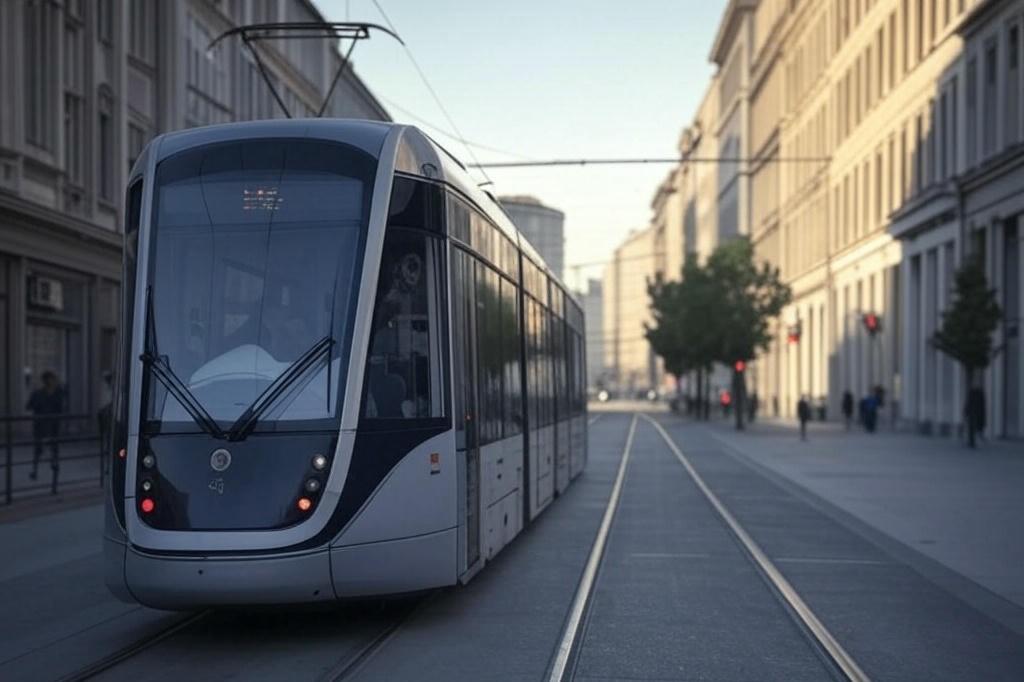
In mid-February, the Ministry of Transport announced record rates of urban electric transport replacement in Russia. In 2021-2023, 286 electric buses and charging stations appeared in 10 regions of the country. In 2024, 214 new trams were added to major cities, which is 124% more than last year. Work on the construction and reconstruction of tram tracks also increased significantly, their length increased by 92% to 120 kilometers.
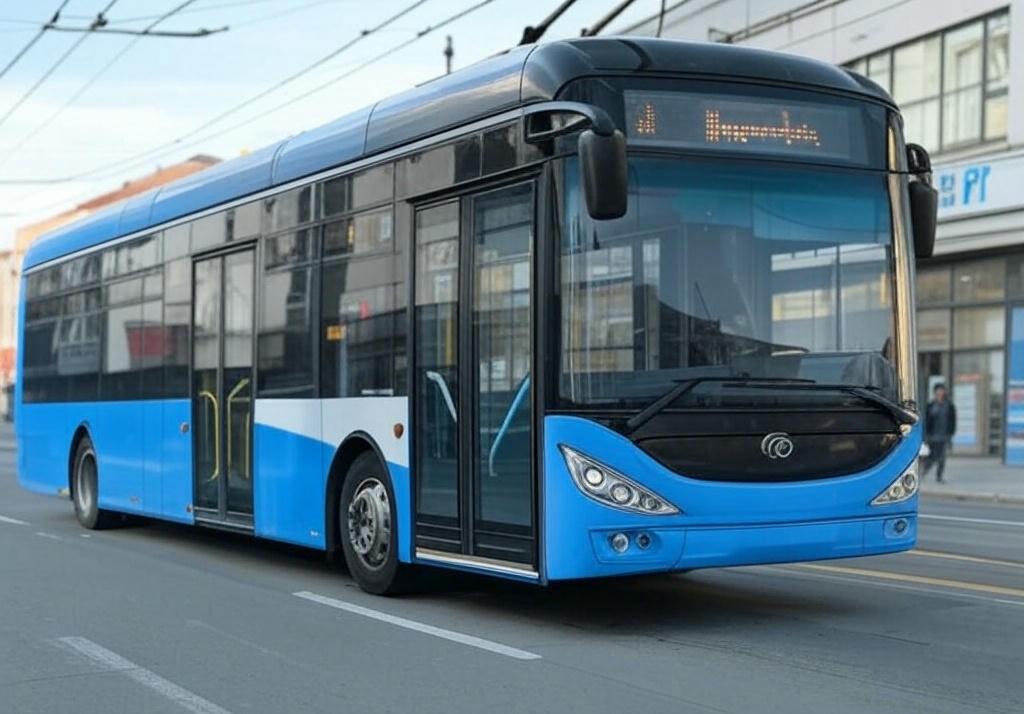
The urban electric transport development program covered several regions of Russia: Lipetsk, Yaroslavl, Nizhny Novgorod, Kursk, Saratov, Volgograd, Rostov regions, as well as Krasnodar, Krasnoyarsk and Perm territories. It is implemented on the basis of public-private partnership: the state assumes 30% of capital costs.
Until 2027, it is planned to spend more than 231 billion rubles on this program, of which 86.5 billion are funds from the federal budget. The remaining money will be attracted from private investors, VEB loans (for 20 years at 5.65% per annum) and the National Welfare Fund.
These funds are planned to:
- build and reconstruct more than 600 km of tram tracks;
- build 11 depots;
- install 97 traction substations;
- purchase 646 tram cars;
- purchase about 300 electric buses;
- install about 90 charging stations.
Thus, it is planned to create a modern and convenient transport system that will contribute to the development of cities and improve the quality of life of citizens.
However, on January 1, 2025, a new project was launched in Russia - "Development of Public Transport." It is part of the national project "Infrastructure for Life." The goal of the project is to update and put in order 85% of public transport in cities and agglomerations. This is more than 40 thousand vehicles.
Development Scenarios
Analysts from Strategy Partners, the First Transport Infrastructure Company, the Russian Academy of Transport and the Russian University of Transport studied three possible scenarios for the development of public transport in Russia. They found that from 2021 to 2024, the number of trams and trolleybuses in the country grew by an average of more than 50% per year. During this period, rolling stock worth almost 159 billion rubles was purchased.
Experts believe that by 2030 it is possible to update 4.36 thousand trams and 5.85 thousand trolleybuses. However, in their opinion, trolleybus transport has even greater potential for development. This is due to the fact that manufacturers are improving batteries, increasing their capacity and range. Thanks to this, the trolleybus network can become even more convenient and accessible for passengers.
One of the scenarios for achieving the goals of the national project in the field of passenger transport is the further expansion and renewal of the bus fleet.
The main advantage of this approach in the period up to 2030 is the ability to update the maximum amount of rolling stock with a minimum amount of necessary investment.
According to the company's calculations, fare increases and budget subsidies will not cover the increase in public transport maintenance costs. This will lead to a funding deficit of about 143 billion rubles per year. In addition, by 2033, most passenger buses and trams will require updating due to wear and tear and increasing risks to passenger safety.
Experts believe that it is best to increase the share of electric vehicles in public transport by 20%. This will bring more benefits to society and the economy, increase the efficiency of transportation and save more than 28 billion rubles per year compared to the development of only the bus network.
Specialists from Strategy Partners calculated that if you invest 250 billion rubles in the development of electric transport until 2030, you can receive 26.1 billion rubles in profit every year. These investments will pay off in less than ten years. At the same time, updating the bus fleet will not bring such benefits.
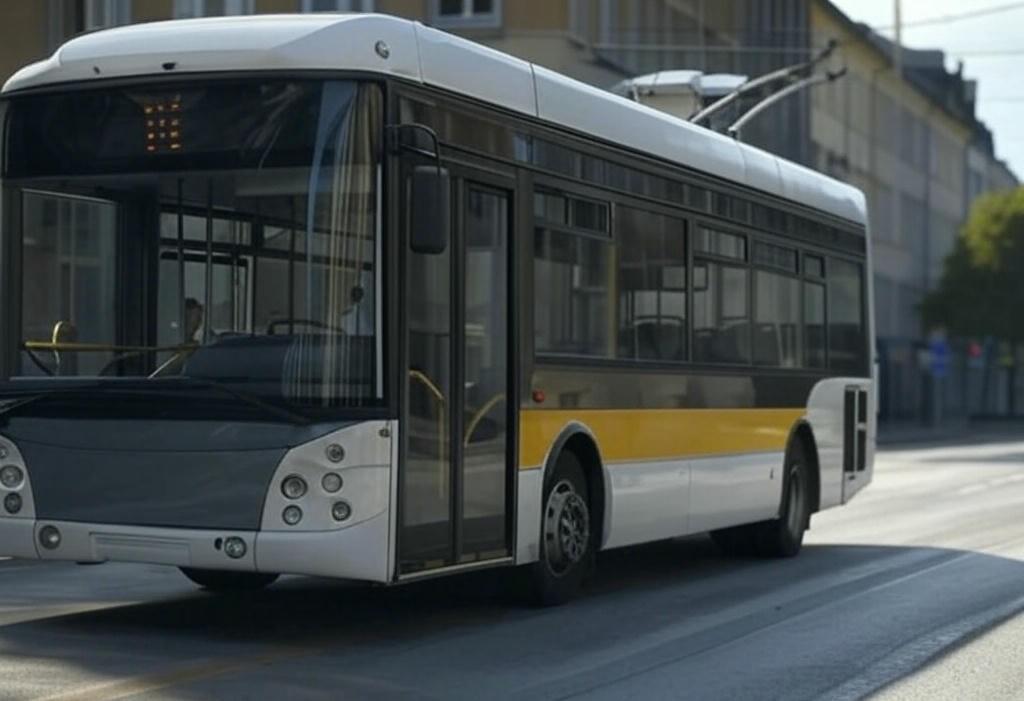
Despite the fact that experts consider the development of electric transport to be the most effective way to update rolling stock, this program was not included in the national project for the development of public transport. Without taking it into account, budget funds for the purchase of rolling stock of urban ground electric transport (GNET) will probably be distributed on a residual basis, says Alexander Postnikov, partner of the "Industry and Technology" practice of Strategy Partners.
Due to the lack of sufficient funding, a decrease in the production of GNET rolling stock is expected on the market as early as 2025. In the last three years, this market has been developing at a record pace.
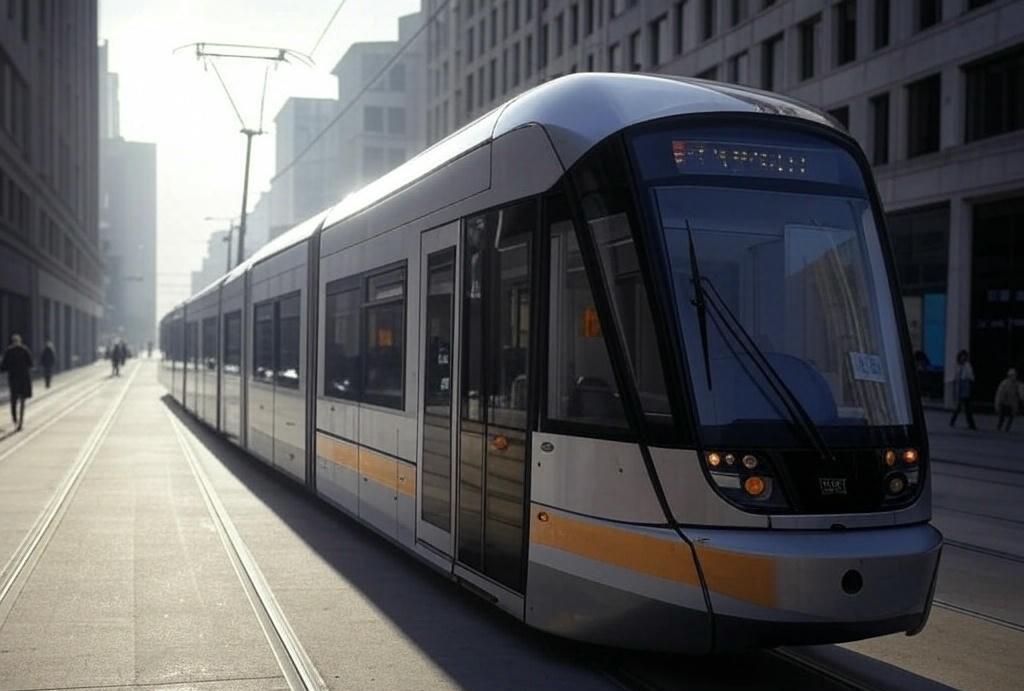
It is expected that in 2025, compared to 2024, tram deliveries will decrease by 32.9% and will amount to only 253 cars. A similar situation is predicted for the trolleybus fleet.
The current realities and approaches to financing the purchase of rolling stock of urban ground electric transport give reason to predict, starting from 2026, a significant drop in the tram car market, comparable to the drop in 2013-2015, that is, by more than half.
Efficiency in Priority
As explained in the Committee for the Development of Public Transport of the Russian Academy of Transport, the GNET development program was not suspended, but the budget policy shifted priorities to other areas.
Due to budget constraints and the conditions for providing subsidies for the purchase of rolling stock through the GTLK, regions will have to purchase a large number of small and medium-sized buses to achieve the indicator of 85% of the normative condition of the fleet, which will significantly reduce the efficiency of spending budget funds.
The committee notes that if the current approach is maintained, additional funding will be required after 2030 to purchase new rolling stock, since the service life of buses is from five to seven years.
According to the committee, a subsidy mechanism based on the principle of "effective passenger seats" would be more effective.
According to experts, if transport companies in the regions received subsidies of 70 billion rubles annually, then in five to seven years they would be able to completely update the rolling stock (buses and trolleybuses) and public transport infrastructure. This, in turn, would lead to a significant improvement in the quality of services.
Sergey Ignatushchenko, head of the investment and capital markets department at Kept, emphasizes that the global experience in the development of electric mobility shows that state support is especially necessary in the early stages of the formation of the electric vehicle fleet and infrastructure.
Development is possible without state support, but in this case there is a risk of falling far behind other countries, as implementation will take many years.
In some situations, the project may be unprofitable. This may be due to high costs for the construction of a tram network or low demand for public transport services.
However, even in such cases, the project can be beneficial, Ignatushchenko believes. It can reduce travel time for passengers, increase the mobility of the population and improve other indicators. This can lead to an economic effect that justifies state support.
Earlier www1.ru reported that Moscow tookleading positions in Europe in terms of the number of electric public transport. Since 2018, over 2,300 domestically produced electric buses have been delivered to the capital. Today, environmentally friendly vehicles can be found on more than 180 routes.
Read also on the topic:
The first super-fast charging stations for electric buses were installed in Russia
The first ultra-fast charging stations for electric buses were launched in Krasnoyarsk
New electric buses from KAMAZ were tested in St. Petersburg
A fully unmanned tram will appear in St. Petersburg
This is an electric bus: five facts about KAMAZ-6282, which conquered Moscow and is going to the regions of Russia
Never miss our newsAdd this site to your preferred sources to see us more oftenAdd on Google

















