Fuel consumption in a car can increase in winter, and this is normal and not something to be afraid of. However, it is important to consider that the permissible increase should not exceed 500 milliliters of gasoline or diesel per hundred kilometers, said Artem Bovt, head of the Fit Service car service.
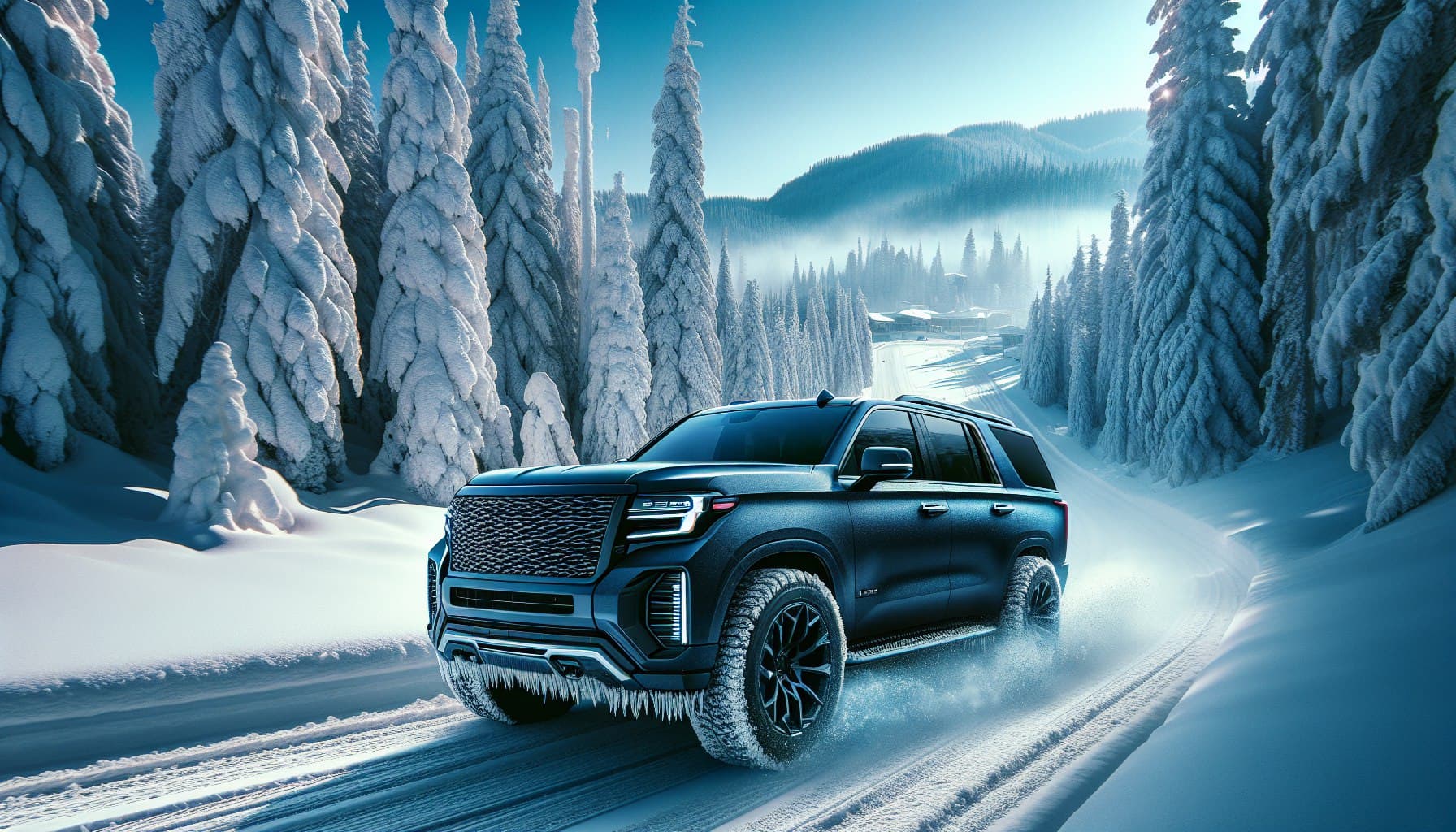
High consumption is primarily affected by winter tires. They have a special composition for better grip on the road. They are "designed" to increase resistance to movement. This is necessary on a slippery winter road. While driving, more intensive engine operation and, as a result, more fuel will be required to overcome the increased resistance.
In addition, the generator is under increased load in winter. Drivers often turn on headlights and actively use the heater, mirror heaters, seats, and steering wheel. Many motorists also install an engine auto-start system. All these devices significantly increase fuel consumption, Bovt noted.
However, in addition to the usual reasons that can lead to increased fuel consumption, there are also serious malfunctions that can only be fixed at a car service.
For example, the injector often becomes clogged in winter, which leads to fuel not burning completely in the cylinders, the specialist warned. The problem may also be in an old air filter or a dirty mass air flow sensor.
Earlier, www1.ru wrote about three cars that a novice driver should not buy. It is better to avoid expensive cars, cars in poor technical condition, and oversized vehicles, as they are more difficult to drive and require more control.
Read more materials:
State Duma proposes to tighten penalties for improper road maintenance
Car registration rules in Russia will change from March 1: what to expect
M-11 Neva highway: how much does the toll cost now, what are the rules, where to stop for a rest
Note to drivers: what you absolutely should not do on a new car until the end of the break-in period