Imported gasoline from India and Morocco has not yet reached the Russian market: batches of fuel remain on tankers in Murmansk due to a dispute over the selling price. Suppliers explain the high cost by delivery expenses, while regulators insist on prices close to domestic exchange quotations. This was reported by the industry portal "InfoTEK" with reference to its sources.
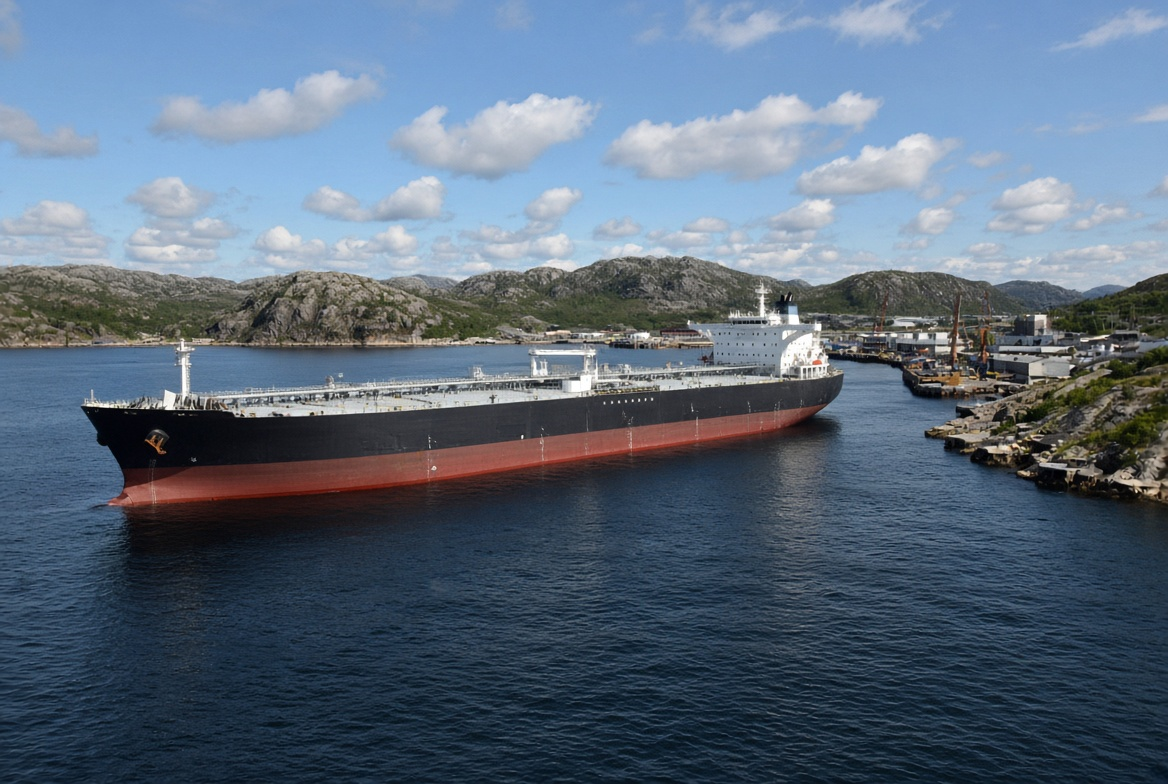
Suppliers offer gasoline at a price of up to 150 thousand rubles per ton. Indian AI-92, according to sources, was initially offered at 130 thousand, and then the price was reduced to 110 thousand rubles per ton. For comparison, on August 13, the exchange price of AI-92 according to the index of the European part of Russia was 77.62 thousand rubles per ton. The maximum price of imported fuel turned out to be almost twice as high as the domestic exchange quotation. The difference is due to the costs of sea fuel delivery, transshipment, and taxes.
The problem arose against the backdrop of a fuel shortage in Russia. Gasoline imports began to be used as one of the ways to replenish the domestic market after a decrease in production at some oil refineries and an increase in demand. The first large batch of Indian gasoline, amounting to 42 thousand tons, arrived in Russia on August 5.
To sell imported fuel, the St. Petersburg Exchange created a separate delivery basis at the Kola station in the Murmansk region on July 29. However, trading from this basis has not yet begun — there are no bids. As a result, the gasoline that was supposed to help close the deficit actually remains outside domestic circulation.
The situation is complicated by the gap between the cost of foreign supplies and Russian market prices. If imported gasoline is sold at domestic quotations without compensation for additional costs, the importer incurs a loss.
Read more on the topic:
Never miss our newsAdd this site to your preferred sources to see us more oftenAdd on Google