Translated with AI from the Russian original.
State Corporation "Rosatom" has completed a unique experiment on the disposal of minor actinides directly in the core of a power unit. Three fuel assemblies with MOX fuel, to which americium-241 and neptunium-237 were added, completed a full cycle in the fast-neutron reactor at Beloyarsk Nuclear Power Plant, Rosatom's press service reported.
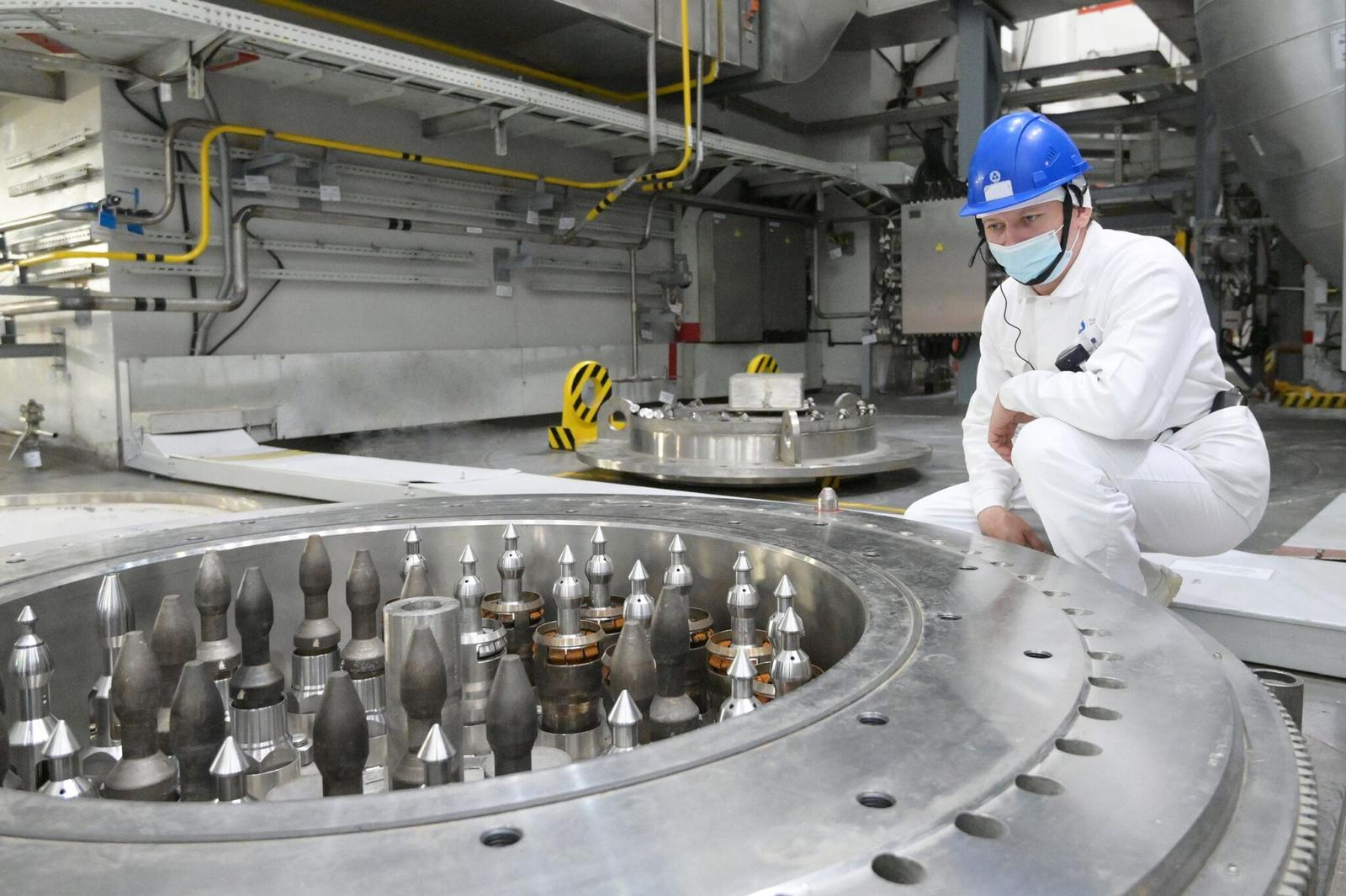
The loading took place in the summer of 2024. The irradiated assemblies are now cooling in the spent fuel pool, after which they will be examined to confirm the "burning out" effect.
Aleksandr Ugryumov, Senior Vice President of the TVEL fuel division, outlined the next steps: increasing the share of minor actinides in experimental assemblies, adding them to nitride SNUP fuel for promising fast reactors, and moving to heterogeneous burning, when hazardous elements are placed in separate fuel rods rather than mixed into the main mass.
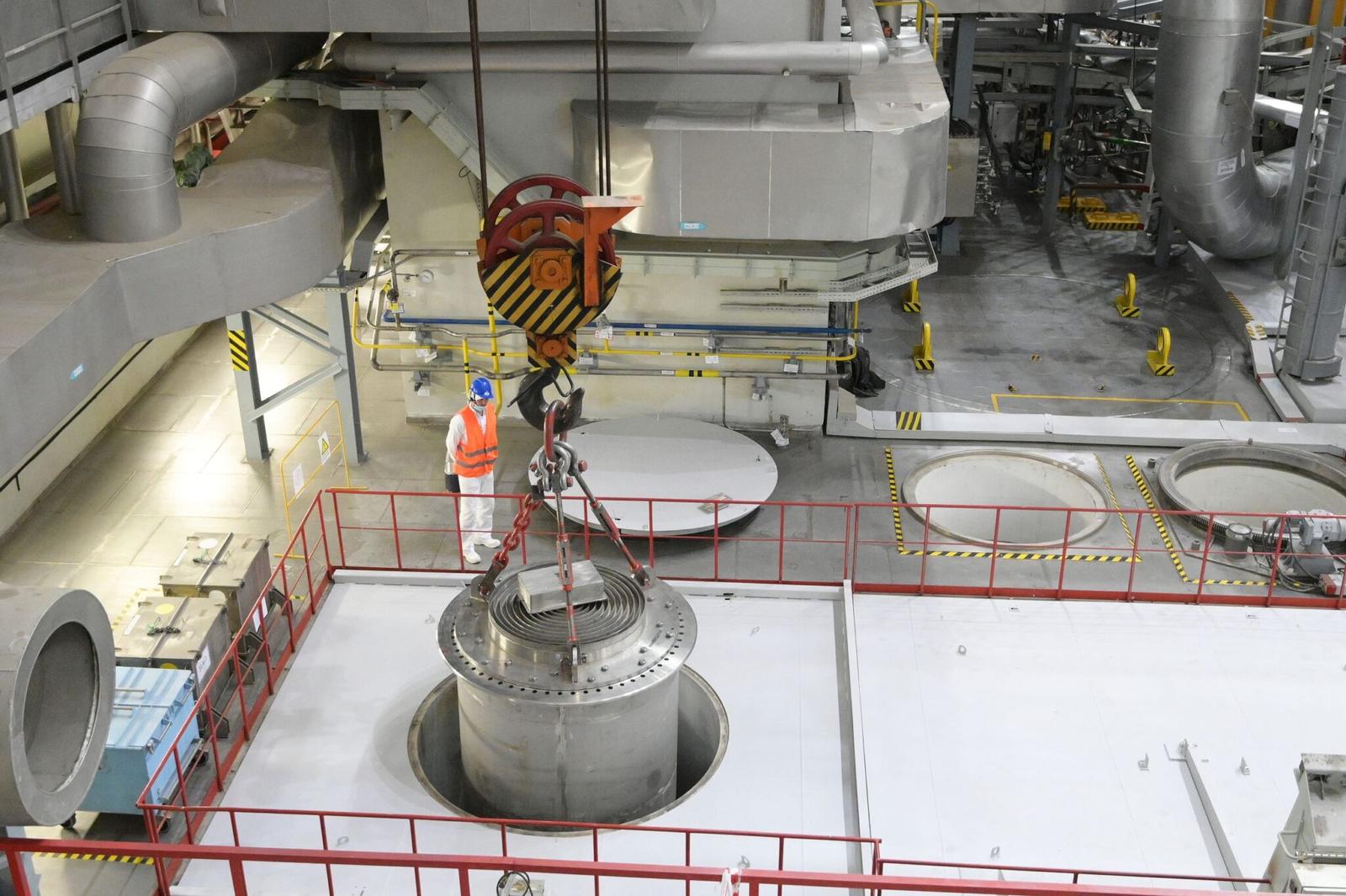
The technology solves a key problem of the closed nuclear fuel cycle: handling the most radiotoxic and long-lived waste. Without "burning out," americium and neptunium require isolation for hundreds of thousands of years. Fast reactors, by contrast, split them into short-lived fission fragments, reducing the period of potential danger to 300 years. For the Russian nuclear program, this means the possibility of drastically reducing the volume of deep geological disposal and strengthening positions in the fourth-generation technology market, where Western competitors have not yet advanced beyond laboratory testing.
Minor actinides (americium, neptunium, curium) are by-products of nuclear reactor operation. They are precisely the reason why spent fuel remains lethally dangerous for hundreds of thousands of years. In fast reactors of the BN-800 type, these elements do not accumulate but instead fission like uranium, turning into much less long-lived isotopes. MOX fuel (a mixture of uranium and plutonium oxides) makes it possible to involve already produced plutonium in the fuel cycle, while SNUP fuel (nitride fuel) is considered even more effective for the fast-neutron reactors of the future.
Read more on the topic:

Never miss our newsAdd this site to your preferred sources to see us more oftenAdd on Google

















