Translated with AI from the Russian original.
Employees of the Kabardino-Balkarian State University named after H.M. Berbekov (KBSU) have patented a new method for producing crystallizing polyphenylene sulfone — a high-strength polymer used in the aviation, electrical, and medical industries. The material is characterized by heat resistance, chemical inertness, and mechanical strength.
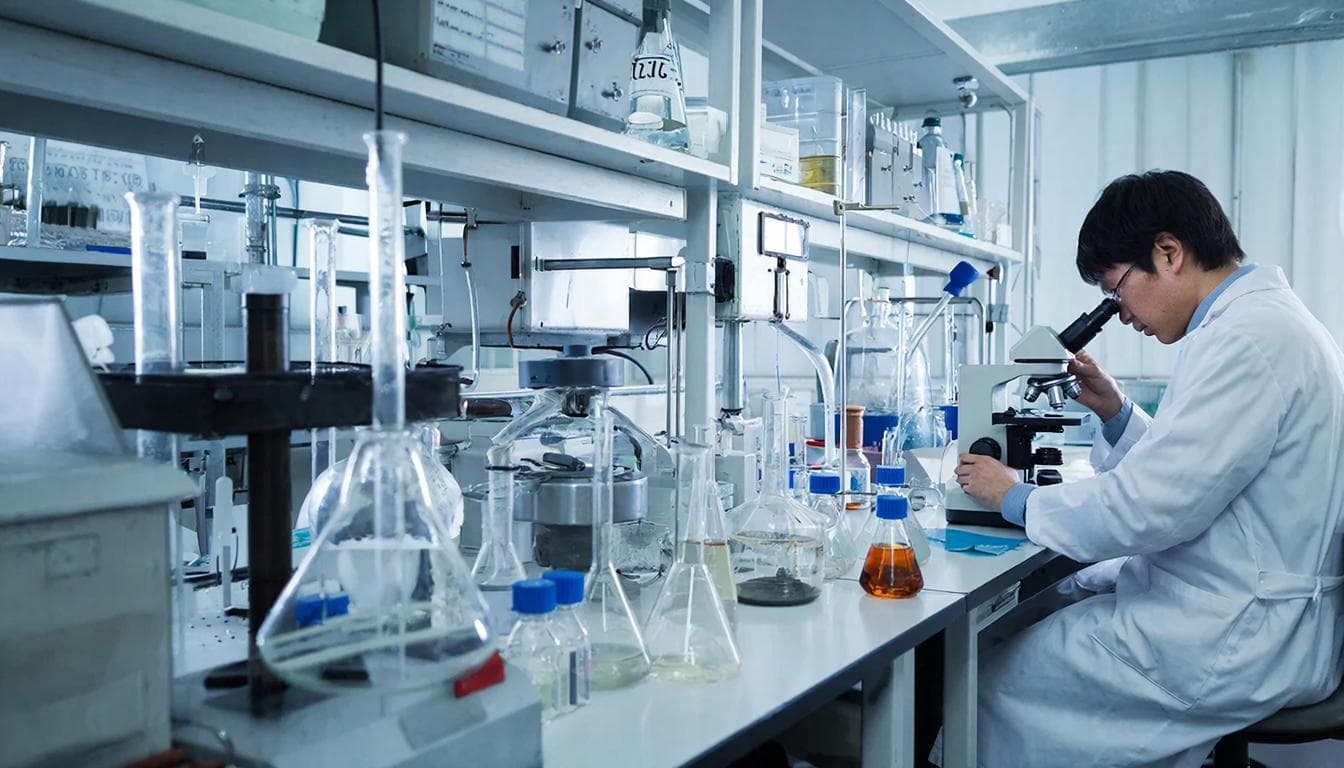
The essence of the method is to combine the initial components in a special liquid medium when heated. The main difference from the old technologies is a strict calculation of the number of monomers (with an excess of 0.1 to 10%) and the addition of potassium carbonate with a margin of 10 to 60%. When the synthesis is completed, a solution of oxalic acid is added to the mixture — it neutralizes the residues of carbonate.
The polymer crystallizes directly from the solution when cooled to room temperature and kept for 7–12 hours. The resulting fine powder is easily dispersed in water and has a high bulk density.
The technical result is a reduction in synthesis time, improved purification of the polymer from impurities, and obtaining a material with specified molecular weight characteristics.
Read more on the topic:
Never miss our newsAdd this site to your preferred sources to see us more oftenAdd on Google

















