Russia has deployed the first production satellites of the low-Earth-orbit constellation "Rassvet." The company "Byuro 1440" put 16 spacecraft into orbit. A key factor in the project was the full localization of critical components, the press service of the Moscow Aviation Institute (MAI) reported.
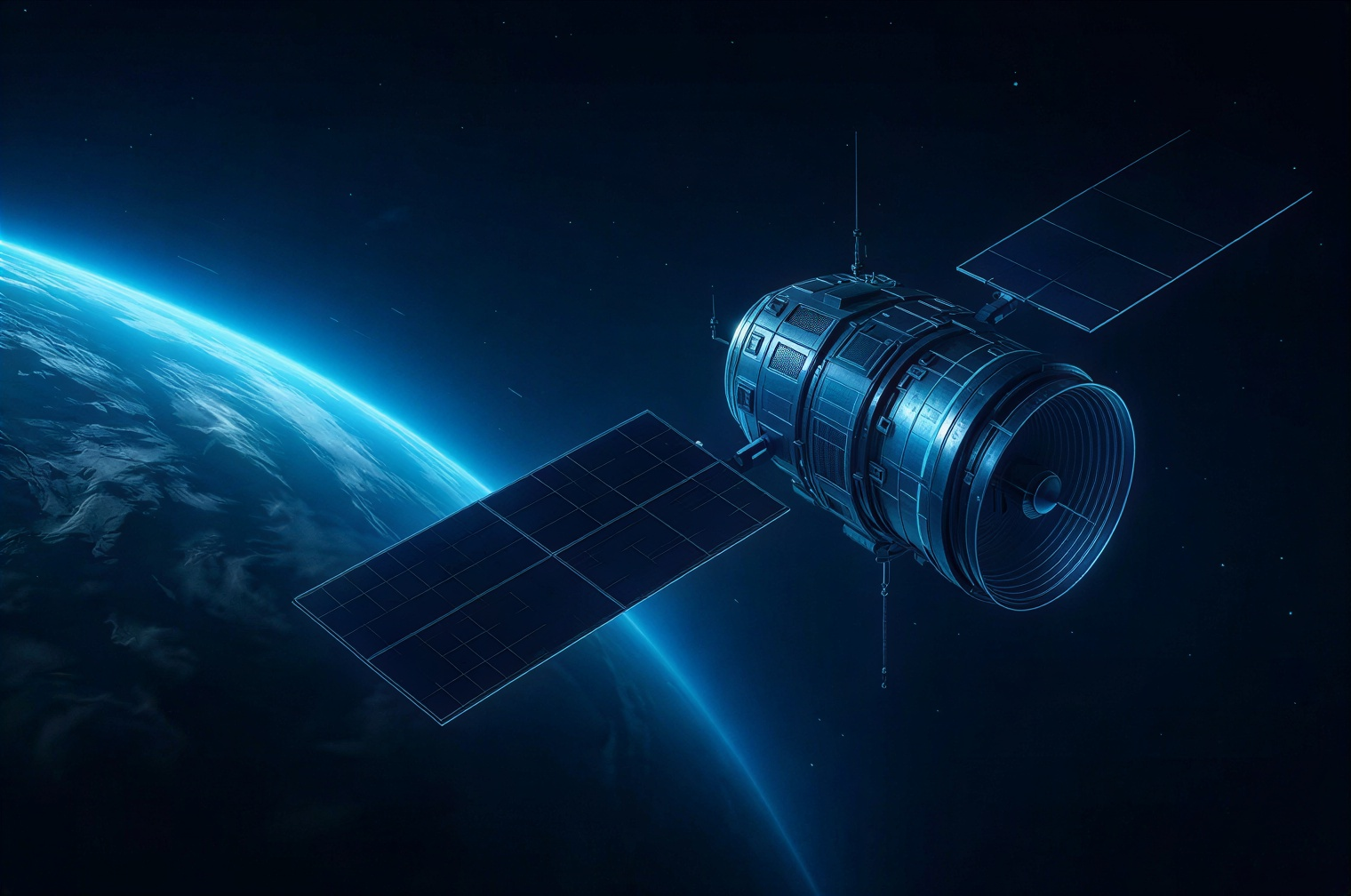
Engineers localized the power supply, communications, and propulsion systems. The development was initially adapted for mass production. This approach eliminated a typical problem of the space industry — the costly redesign of each new spacecraft, MAI explained.
The platform was based on the experience of the "Rassvet-1" and "Rassvet-2" missions. The team did not copy previous solutions, but created a completely new architecture for mass production.
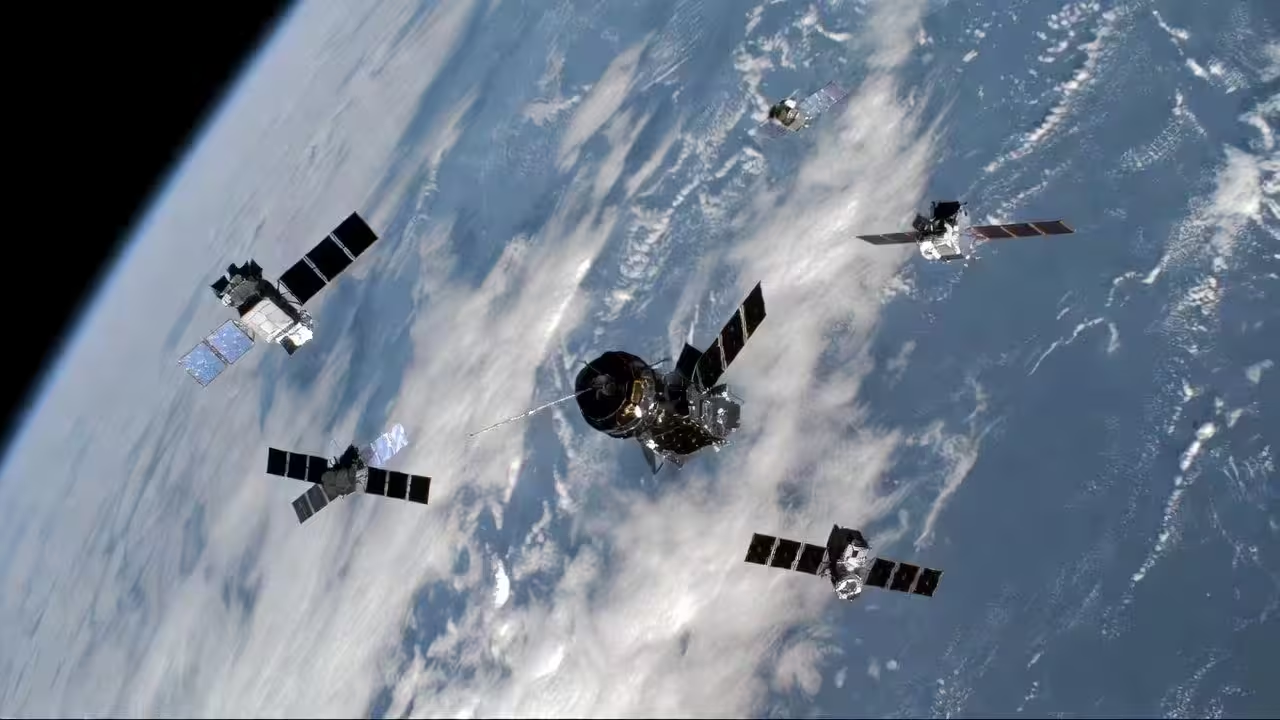
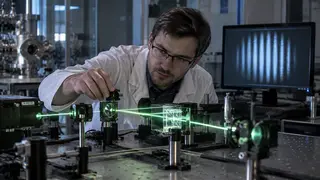
The satellites received communications based on 5G NTN architecture, upgraded power systems, next-generation inter-satellite laser communication terminals, and plasma engines. The constellation will provide broadband internet at speeds of up to 1 Gbps with minimal latency anywhere on Earth.
The commercial launch of the service is scheduled for 2027 — by that time, more than 250 spacecraft should be operating in orbit. By 2035, the constellation may be expanded to 900 satellites. The head of the Russian Ministry of Digital Development, Maksut Shadaev, noted that "Rassvet" will become Russia's answer to Elon Musk's Starlink system
Read more materials on the topic:
- A Russian Starlink for 116 billion rubles and the fight against cybercrime will become the main goals
- The Russian orbital station will provide reliable protection for cosmonauts from cosmic radiation
- Russia has already prepared its answer to Starlink and will share it
Never miss our newsAdd this site to your preferred sources to see us more oftenAdd on Google