Translated with AI from the Russian original.
Engineers at Saint Petersburg Electrotechnical University "LETI" have developed a compact universal ceramic-based antenna for GLONASS receivers. The device is intended for ground-based satellite navigation equipment in transport, geodesy, marine navigation, and industrial systems, the university's press service reported.
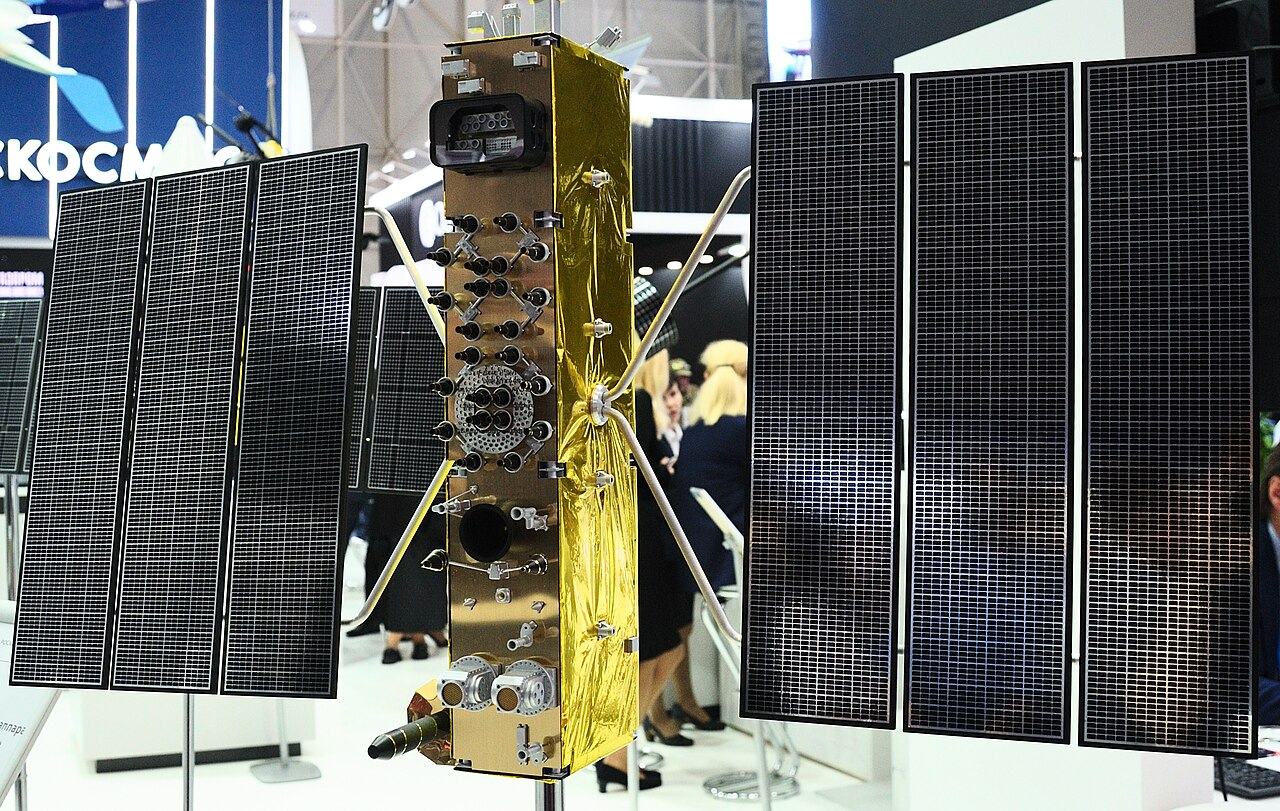
According to process engineer and postgraduate student of the Department of Physical Electronics and Technology Anna Antonova, this compact L1+L2 antenna has no domestic equivalents. The specialists created a unique ceramic composition in which changing the proportions of the components makes it possible to vary the dielectric properties of the material. This simplifies antenna design and adaptation to customer requirements, including reducing dimensions and weight.
GLONASS provides global positioning with minimal error by linking ground receivers with orbital satellites. However, Russian equipment still depends on imported ceramic antennas. Most navigators operate only in the L1 band (about 1600 MHz), which leads to errors of up to 5 meters due to ionospheric distortions. Adding the L2 band (approximately 1250 MHz) compensates for these inaccuracies by receiving signals at two frequencies.
The LETI team created several prototypes of a flat antenna measuring 3×3 cm and weighing about 30 g based on ceramic dielectrics. The samples were tested in real-world conditions and demonstrated characteristics surpassing foreign models.
Read more materials on the topic:
- A digital copy of a 300-year-old Russian map of Siberia was created at LETI
- University "LETI" launched the first laboratory in the Russian Federation for training specialists in 4G and 5G
- A new stand for studying electronics has been developed at Saint Petersburg Electrotechnical University "LETI"
Never miss our newsAdd this site to your preferred sources to see us more oftenAdd on Google

















