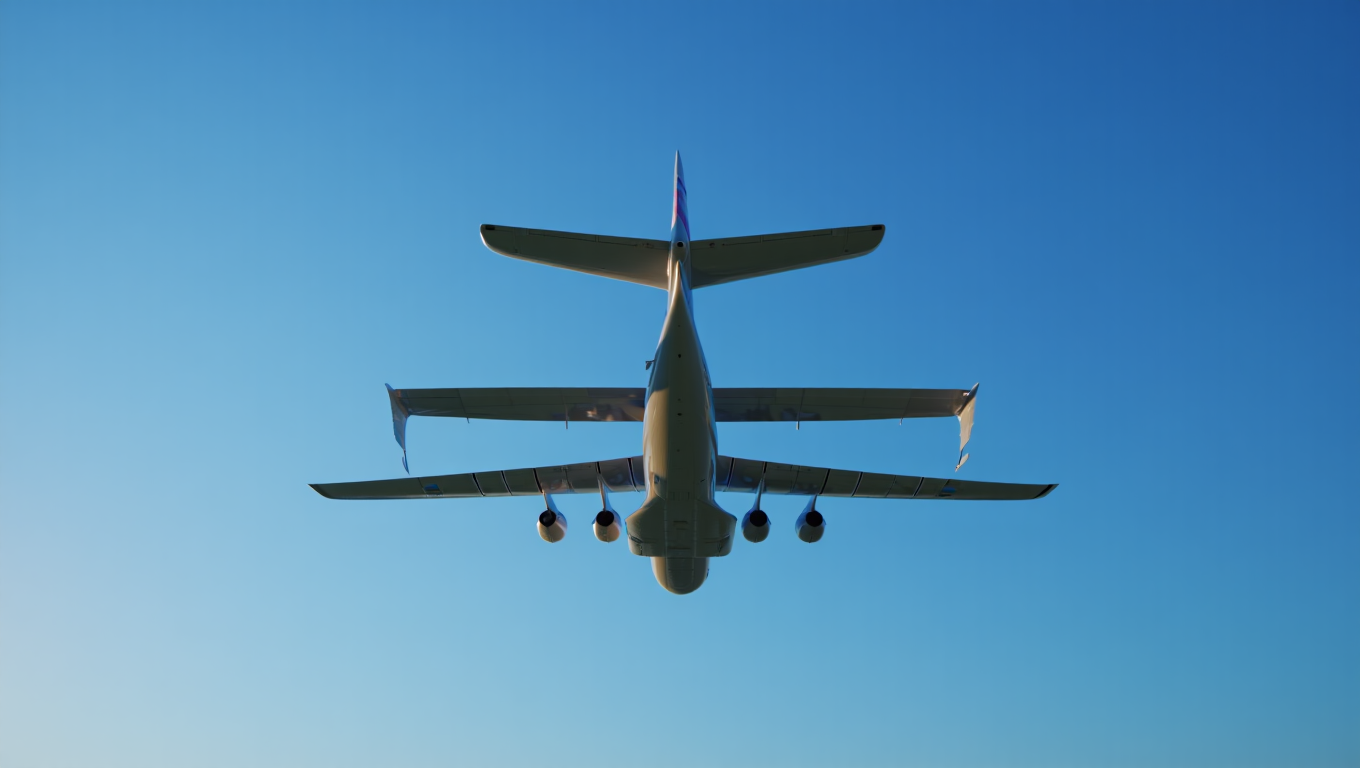
The Central Aerohydrodynamic Institute named after N. E. Zhukovsky (TsAGI) has developed a promising near-sonic transport aircraft with an unusual "triplane" configuration. The new design solves one of the key problems of modern aircraft — reducing stability and controllability at near-sonic speeds.
This refers to flutter, control reversal, and wing deformations, which limit the lifespan and increase accident risks.
The project envisages a closed power circuit. The wing will be connected to the horizontal tail through external keels, forming a rigid contour. This solution increases the strength of the structure and reduces vibration loads. Additionally, rotating winglets will be installed on the external keels, which will redistribute aerodynamic forces and stabilize the aircraft in flight.
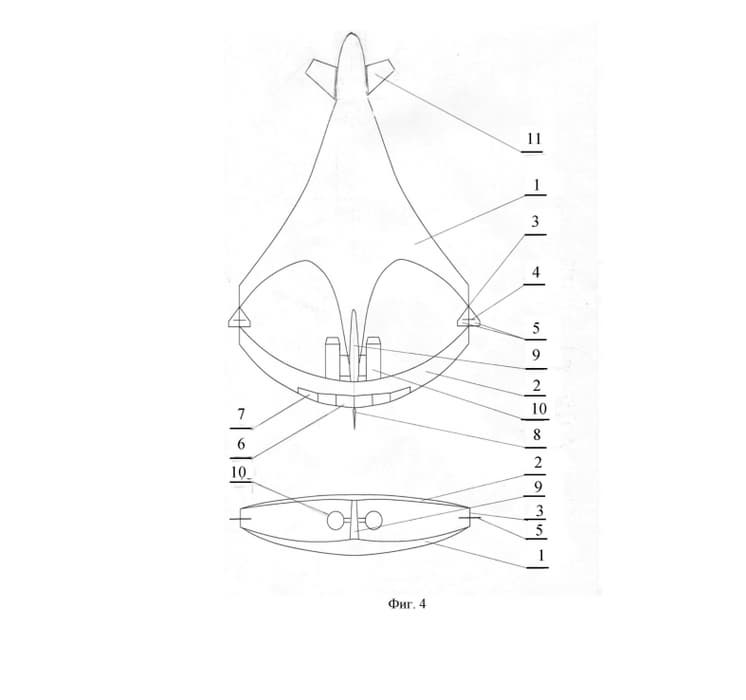
The control system will be duplicated. The front tail, elevons, elevators, and rudders are involved in the operation, which increases reliability in case of failures and simplifies operation. The developers abandoned spoilers and complex wing mechanization, making the surface smoother.
The engines will be located in the tail section next to the central keel. Fuel tanks are provided inside the structure, which allow controlling the center of mass and maintaining stability in different modes.
This triplane configuration improves takeoff and landing characteristics with a limited wingspan and makes it possible to create new generation passenger and cargo aircraft with increased safety.
Read more materials on the topic:
- УТС-800 will receive a boosted engine to replace Western aircraft
- Head of UAC: Russia is not inferior to global competitors in aircraft construction
- A new autonomous generator will save the aircraft engine in the air in case of a network failure
Now on home
The bomber's speed characteristics turned out to be better than those of the fighter
Representative of Almaz-Antey Concern Revealed the Complex's Combat Achievements in Real Conflicts
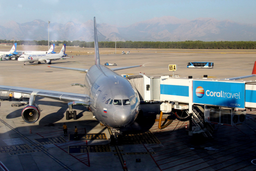
By 2035, Ilyushin Should Produce 23 Such Aircraft

The M2.8 flare lasted 30 minutes
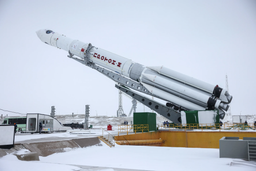
The first Proton launch in three years is scheduled for February 12, 2026
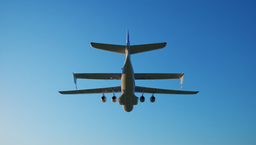
Engineers proposed connecting the wing to the horizontal tail through external keels
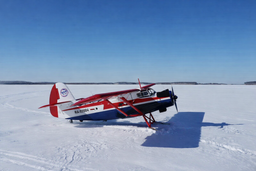
The aircraft's classic wheeled chassis was replaced with skis

High-strength tungsten shot ensures the destruction of the strongest targets at a distance of up to 100 m

An Irkutsk student has developed equipment for the right control stick of an aircraft
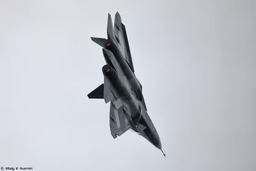
Rostec Handed Over a Batch of Combat Aircraft with an Upgraded Weapons System
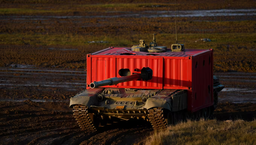
Rostec: the technology will be improved taking into account the new realities
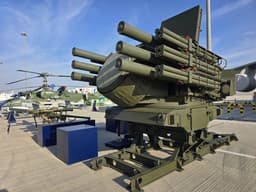
The development belongs to the "High-Precision Systems" holding