Translated with AI from the Russian original.
A startup from Perm is reviving the legendary "Russo-Balt" brand, preparing the "F200" electric van for mass production with a radically different concept for commercial transport. The key "trump cards" of the new model are a unibody body made of domestically produced 3 mm stainless steel, a record 100-year anti-corrosion warranty, and a powertrain with a high degree of localization.
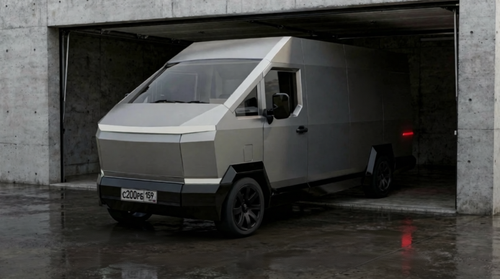
As company co-owner Vyacheslav Vyatkin reported, full-cycle production facilities have already been deployed in Perm. Not only vans will be produced here, but also electric minibuses and SUVs united by a common platform. The rejection of the traditional frame design allowed engineers to implement a unibody body with fully independent suspension — a rarity in the commercial segment. The rear axle is equipped with pneumatic elements. The braking system features disc mechanisms on each wheel.
Special attention has been paid to protection from aggressive environments: body panels are manufactured by cold bending from Russian-made sheet stainless steel. This approach eliminates the need for expensive stamping presses while simultaneously improving repairability — a damaged element can be replaced without welding.
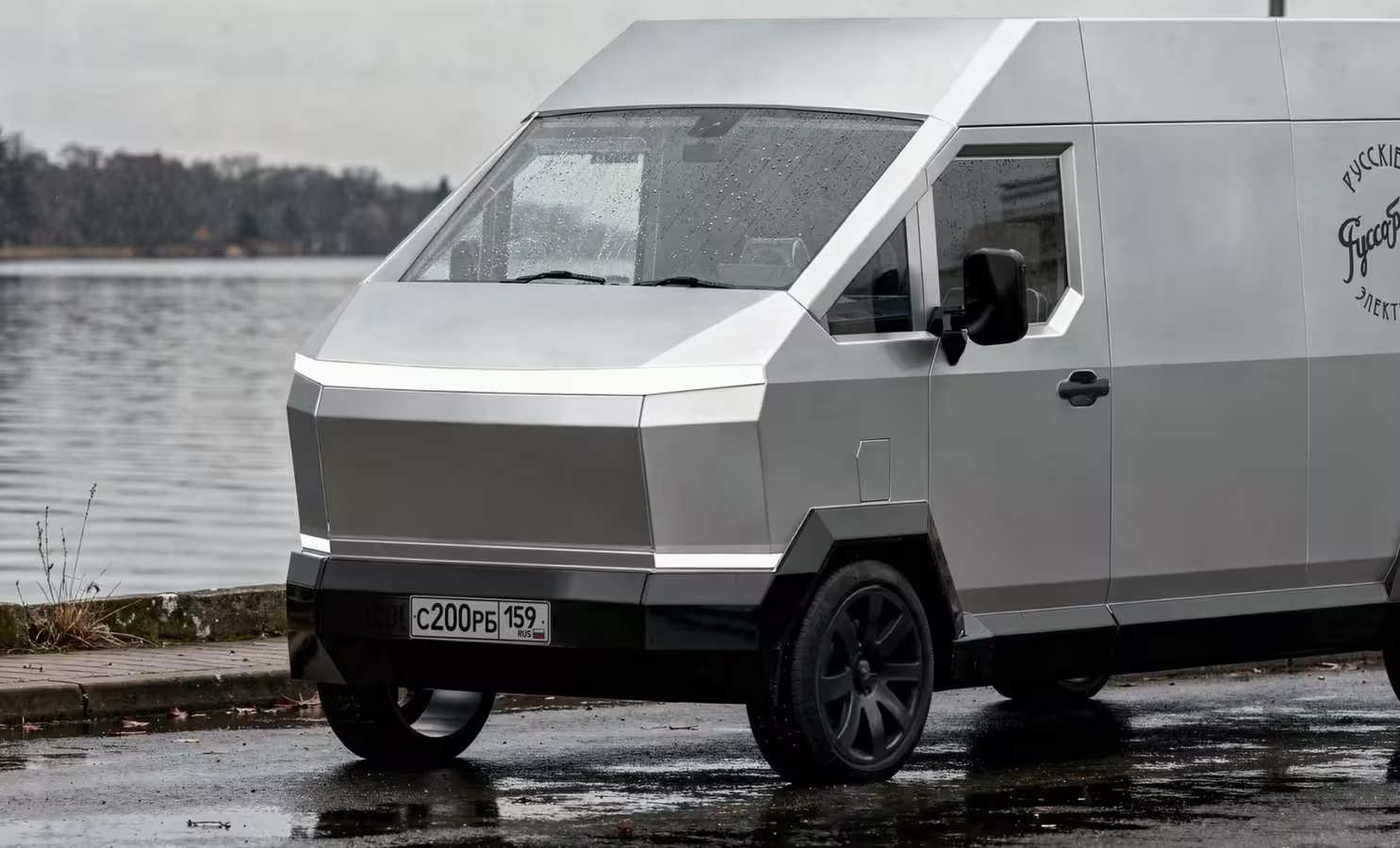
At the core of the powertrain is an in-house developed synchronous electric motor with neodymium magnets. The 115 kWh battery pack uses BYD Blade-type cells, however, the assembly of the modules, the control system, and the software are made in Russia. The base version of the "F200" delivers 200 hp (300 Nm), providing a range of up to 400 km in the combined cycle — taking into account the energy consumption of the autonomous diesel heater from the "Russian Winter" package.
The manufacturer claims unprecedented ownership terms: in addition to the century-long warranty against through-body corrosion, the battery is covered by a 5-year warranty with no mileage limit. Maintenance intervals are set at 60,000 km or two years of operation, and the cost of standard servicing is estimated at 15,000 rubles. A payload capacity of 1,000 kg allows the van to be driven with a Category B driver's license.
At present, the vehicle is undergoing certification. Booking test drives of prototype units will become available in May 2026, and mass deliveries to dealers are scheduled for March 2027. The starting price of the fully equipped version will be 6.5 million rubles.
Read more articles:
- EkoLaif will test the first Russian electric garbage truck from KamAZ
- Engineers have developed a "pipe-crawling" robot for diagnosing and repairing old utilities
- After the van — an SUV: Russo-Balt's plans
Never miss our newsAdd this site to your preferred sources to see us more oftenAdd on Google

















