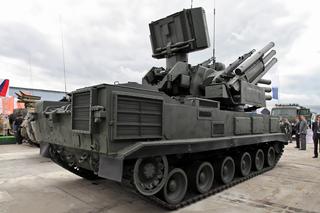
As a result of several days of torrential rains that hit the central and northern regions of Vietnam, a large-scale natural disaster struck the country: floods and landslides paralyzed infrastructure and cut off dozens of settlements. In conditions where ground transportation proved useless, the Vietnamese armed forces promptly deployed Mi-17 transport and combat helicopters to evacuate victims, deliver humanitarian aid, and restore communication between isolated areas.
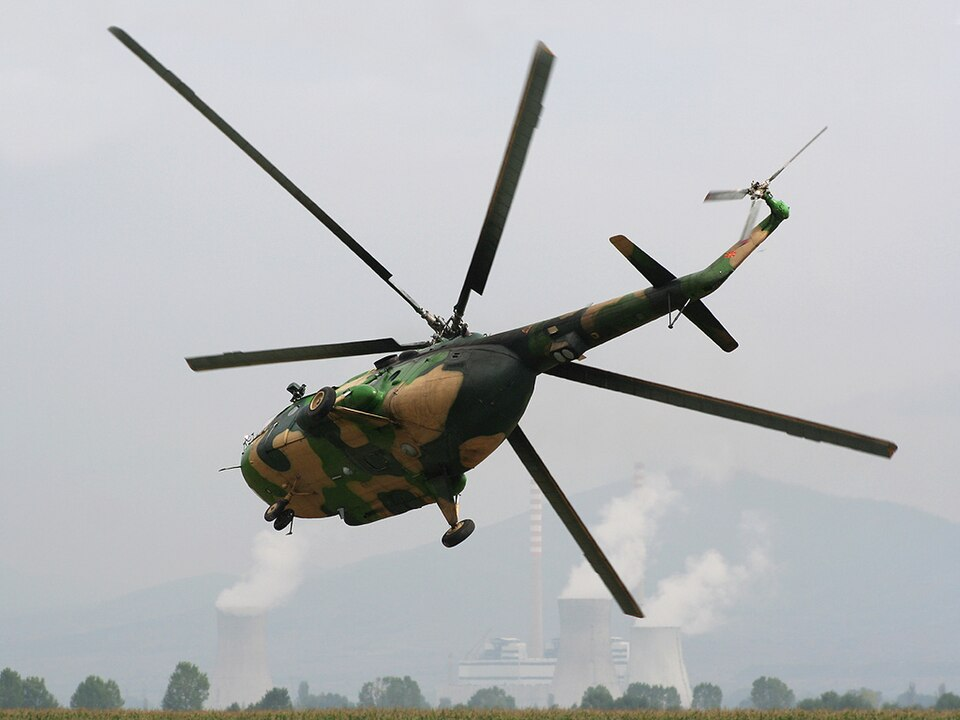
The Mi-17, developed by the Mil Design Bureau and manufactured at the Ulan-Ude Aviation Plant, has demonstrated its reliability and versatility in extreme conditions. The machines perform up to 12 sorties per day, transporting medicines, food, as well as rescuers and equipment to eliminate the consequences of the disaster. According to the Ministry of National Defense of Vietnam, since the beginning of the operation, Mi-17 crews have evacuated more than 300 people and delivered over 20 tons of cargo to remote areas of Thanh Hoa, Nghe An, and Ha Tinh provinces.
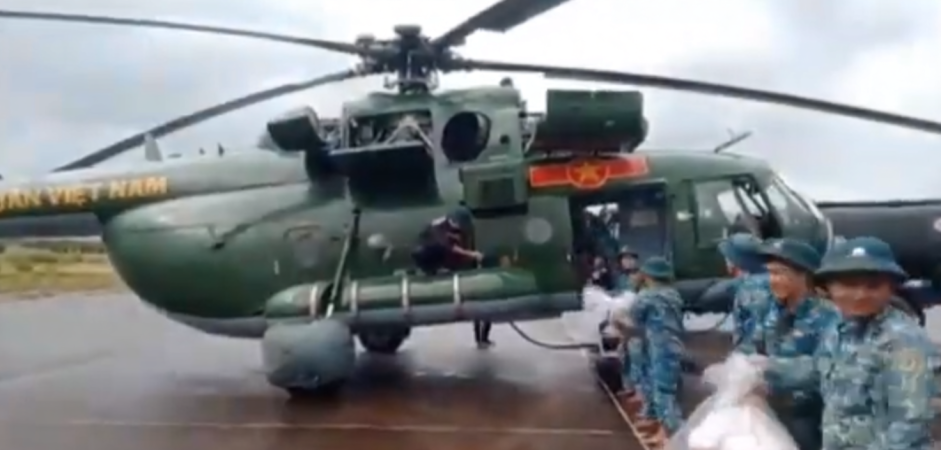
Experts note that the high payload capacity (up to 4 tons), the ability to work in conditions of high humidity and difficult terrain make the Mi-17 one of the most sought-after helicopters in the Asian region for civil and military assistance in emergency situations.
Earlierwww1.ru reported thatthe Russian helicopter engineering school is back in trend - Sikorsky is following in the footsteps of the Kamov Design Bureau.
Read also:
- Developing, testing, implementing: is Russian supersonic returning to the sky?
- Su-57 will be improved for decades: application experience will form the basis of future upgrades
- Russian fighter: FPV drone "Boomerang" replaces 10 conventional UAVs
Never miss our newsAdd this site to your preferred sources to see us more oftenAdd on Google