Hungary has issued all the necessary permits to begin construction of the Paks-2 NPP, the media center of the Russian state corporation Rosatom reported on November 5, 2025. The documents allow the pouring of the first concrete into the foundation of power unit No. 5 and the construction of nuclear island buildings.
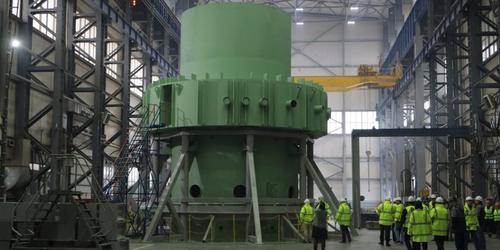
Rosatom noted that obtaining permits opens the way for full-scale construction work. The start of the main works is scheduled for February 2026. Earlier, Hungarian Foreign Minister Péter Szijjártó mentioned this date.
At the end of September, Kirill Komarov, First Deputy Head of Rosatom, stated that the project was progressing despite legal proceedings that concerned only procedural issues. In September, the EU court overturned the decision on financing the project by Hungary, previously agreed upon by the European Commission in 2017. The main financing of the construction, up to 10 billion euros, should come from a Russian loan, with another 2.5 billion euros planned to be allocated from the Hungarian budget.
The head of Rosatom, Alexey Likhachev, previously reported that the company expected to begin pouring the first concrete as early as November 2025.
Read more materials on the topic:
- EU Court Revokes Permit for Russia to Build Reactors at Paks-2 NPP
- Paks-2 Project Enters Active Phase: Rosatom Awaits Permit to Pour First Concrete into Station Foundation
- Rosatom to Supply Equipment for the "Nuclear Island" of the Paks-2 NPP in Hungary
Never miss our newsAdd this site to your preferred sources to see us more oftenAdd on Google

















