The Ministry of Defense of the Russian Federation announced a large-scale update of army aviation. The newest Ka-52M, Mi-28NM, and Mi-26T2V attack and transport helicopters are entering the units, simultaneously with the expansion of the range of weapons.
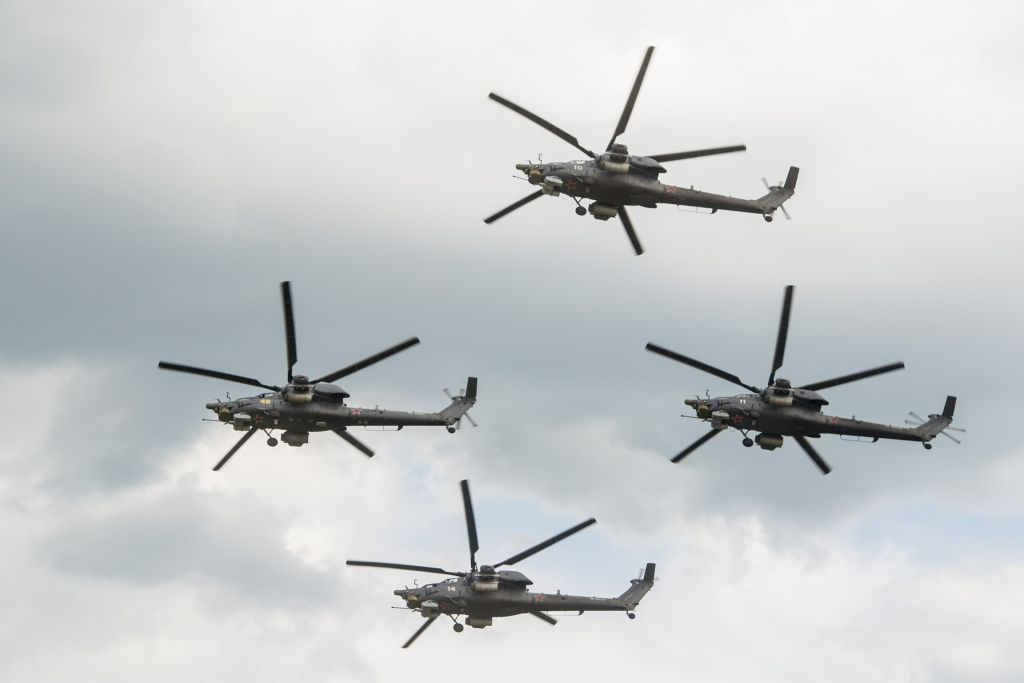
The department noted that the new combat helicopters are equipped with modern means of destruction, including light multi-purpose guided missiles (LMUR), Vikhr and Khrizantema anti-tank systems, as well as Igla-S and Verba air-to-air missiles.
The introduction of advanced long-range weapon systems allows crews to hit targets without entering the engagement zone of air defense systems.
Combined with advanced targeting and protection systems, the new modifications of the Ka-52M and Mi-28NM ensure survivability in combat conditions.
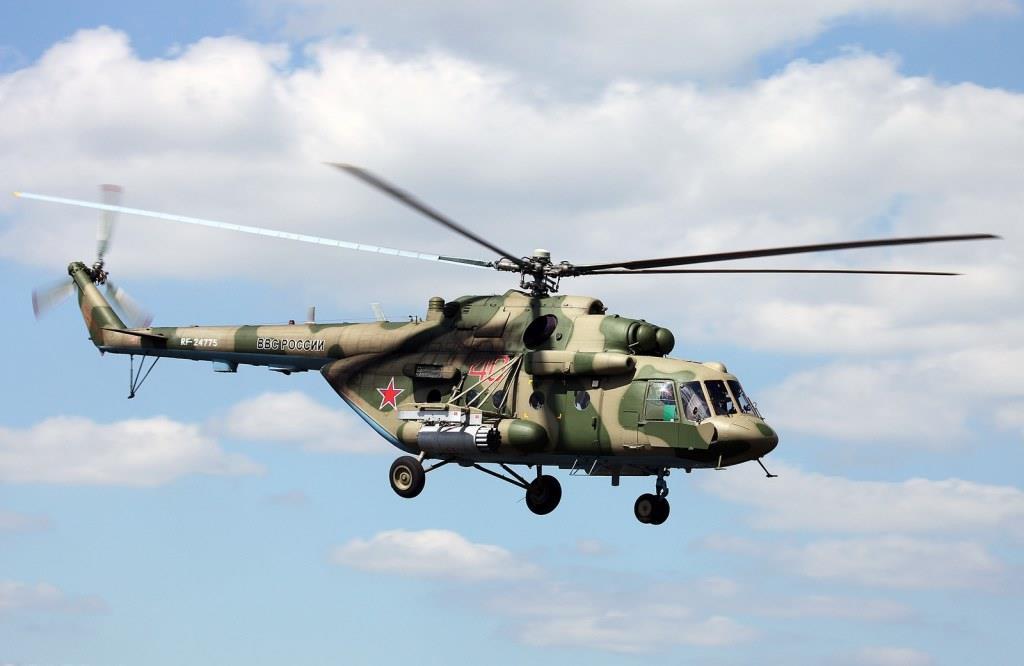
In the future, army aviation will receive several dozen more modernized vehicles, which will become part of a unified reconnaissance and strike system interacting with drones and electronic warfare equipment.
Earlier www1.ru reported that "Shishiga" Reborn as "Gusar": New Army Buggy Created in Russia
Read more materials:
Never miss our newsAdd this site to your preferred sources to see us more oftenAdd on Google