On the TEP70BS diesel locomotive No. 371, which is part of the DP2D diesel train, a combined braking system combining electric and pneumatic brakes has been implemented for the first time in the history of Russian locomotive construction. A feature of this system is the ability to adjust the electric brake.
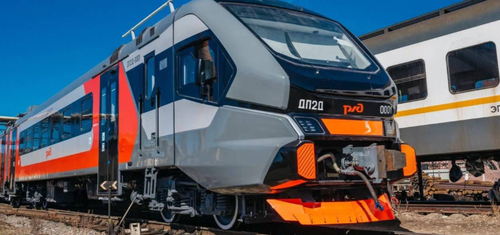
Combined braking is the process of controlling the electric brake with the same degree of efficiency as the pneumatic brake. The locomotive uses an electric brake, while the wagons use a pneumatic brake. Adding a pneumatic system to the wagons increases the braking force of the electric brake with similar efficiency.
The use of combined braking on transport reduces the longitudinal reaction (the locomotive does not run away, the wagons do not run on), which creates more comfortable conditions for passengers, extends the service life of brake pads, and increases the mileage of wheelset tires on the diesel locomotive and reduces the amount of work associated with their turning.
Pilot operation has already shown the effectiveness of this system, and in the future it is planned to install it on all subsequent locomotives.
Earlier www1.ru reported that the Serpukhov Elevator Plant has developed a new backpack-type elevator.
Read more materials:
- A new modification of the all-wheel drive Sobol NN 4x4 has been presented
- Based on the Russian Sprut-SDM1: India presented a light amphibious tank called Bharat
- For fishing, hunting and travel: KAMAZ presented its new motorhome
Never miss our newsAdd this site to your preferred sources to see us more oftenAdd on Google