The Russian Su-34 fourth-generation supersonic fighter-bomber is called "Duckling" in the troops. Rostec stated that the specific shape of the nose of the fuselage really resembles a bird's beak and conceals a hidden engineering trick.
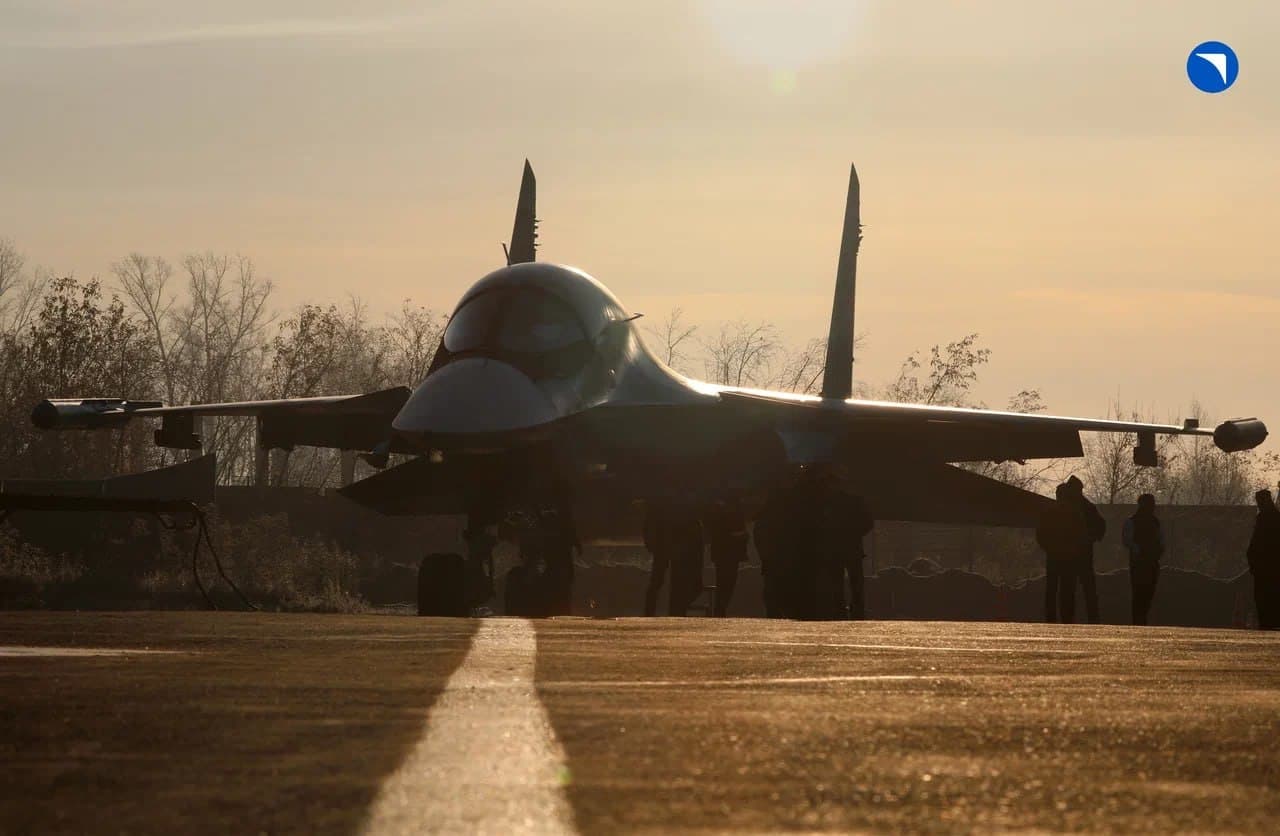
The corporation clarified that the Su-34 cockpit is made in the form of a titanium armored capsule, and the pilots' seats are located next to each other, and not one after another.
This facilitates the interaction between the crew commander and the navigator. The distance between the seats allows you to pass between them. And the height of the cabin is enough to stand in it to its full height. The instrument panels are arranged so as not to overload the eyes with a large number of screens and buttons.
On its own fuel resource, the range of the Su-34 is estimated at several thousand kilometers. When refueling in the air, it increases. During long flights, the comfort of the cabin makes the crew's work more efficient, Rostec said.
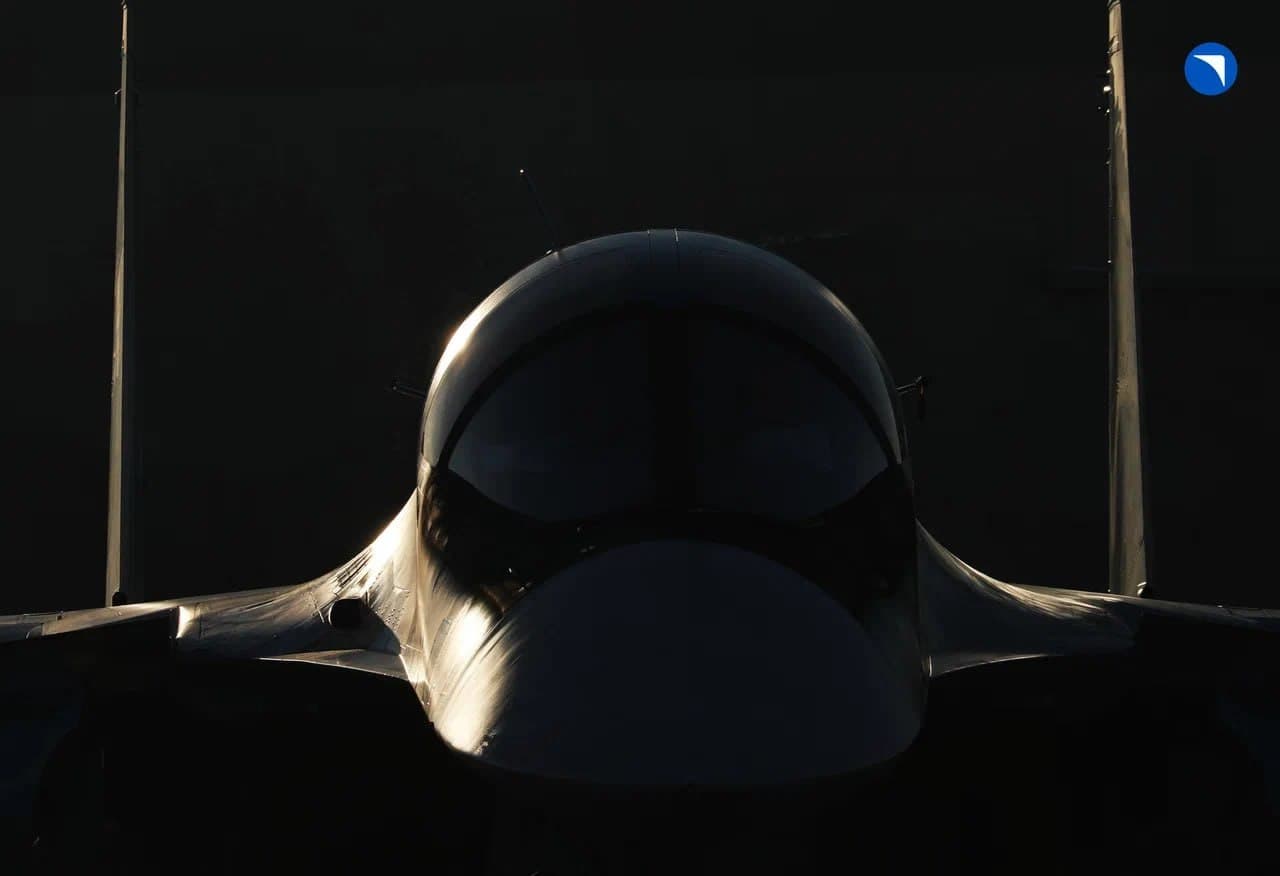
In the extended nose, it became possible to install a more powerful radar. It is thanks to the flat and wide "beak" that a spacious, comfortable and functional cabin appeared, as well as the unique style of the Su-34.
At the beginning of the week, Rostec delivered a new batch of new aircraft of this type to the Aerospace Forces (VKS). They remain one of the key elements of Russian combat aviation.
Earlierwww1.rureported that Russian space forces detected launches of more than 1,300 missiles in 2025.
Read also materials:
Now on home

Start of deliveries scheduled for 2027

Over 51,000 new motorcycles were sold in Russia in 2025

The car will take at least a year to assemble

The application's audience has reached 20 million users

The model will be included in the list of cars for taxis, price - from 2.25 million rubles

All parking lots of the "Administrator of the Moscow Parking Space" are connected to the service

The cars will be supplied to the Moscow Transport Service Directorate

Deliveries to India may begin in 2028

The technology provides automated search for all types of defects in power units

The plane flew 500 km, accelerating to 425 km/h

The plant stated that the information about the termination of purchases for models 6 and 8 is not true

Scientists are using the "Ekran-M" installation
Articles
-
Russian An-124 "Ruslan" Stuck in Canada for 4 Years and Accrues Millions in Fines
26 Jan 2026
-
Coaxial Propellers: How Counter-Rotation Increases Turboprop Engine Efficiency
25 Jan 2026
-
Kazan Aviation Plant Breaks Old System: Tu-214 to be Assembled Like Cars
25 Jan 2026
-
How Engineers and Technicians Are Paid Today in the Russian Aviation Industry: An Overview with Figures
24 Jan 2026