Russia has launched the development of a new domestic PD-8V engine for the world's largest helicopter, the Mi-26. This was announced by Pavel Chupin, General Designer of ODK-Kuznetsov.
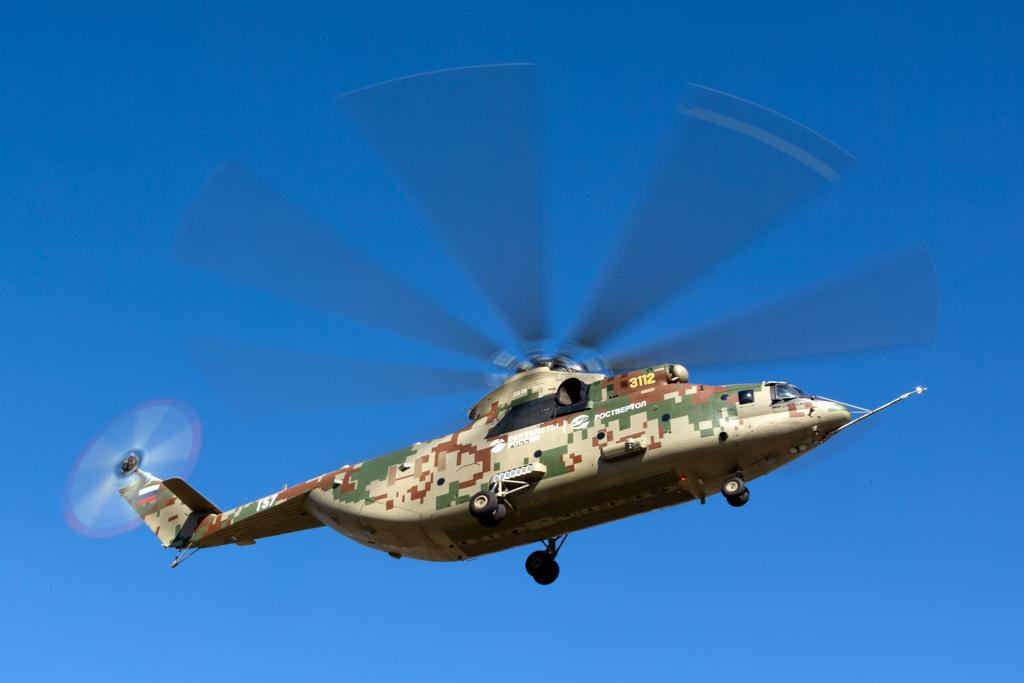
According to him, the project is being handled by the Samara Center for Design Development and Scientific Research. The PD-8V will use a gas generator from the PD-8 aircraft engine, which was developed to re-engine the Superjet 100 regional passenger aircraft.
We are enthusiastically taking on this task. This is a new experience, new opportunities for development, primarily the competencies of design enterprises. The design bureau is fully digitalized. All conditions have been created for designers to create new equipment.
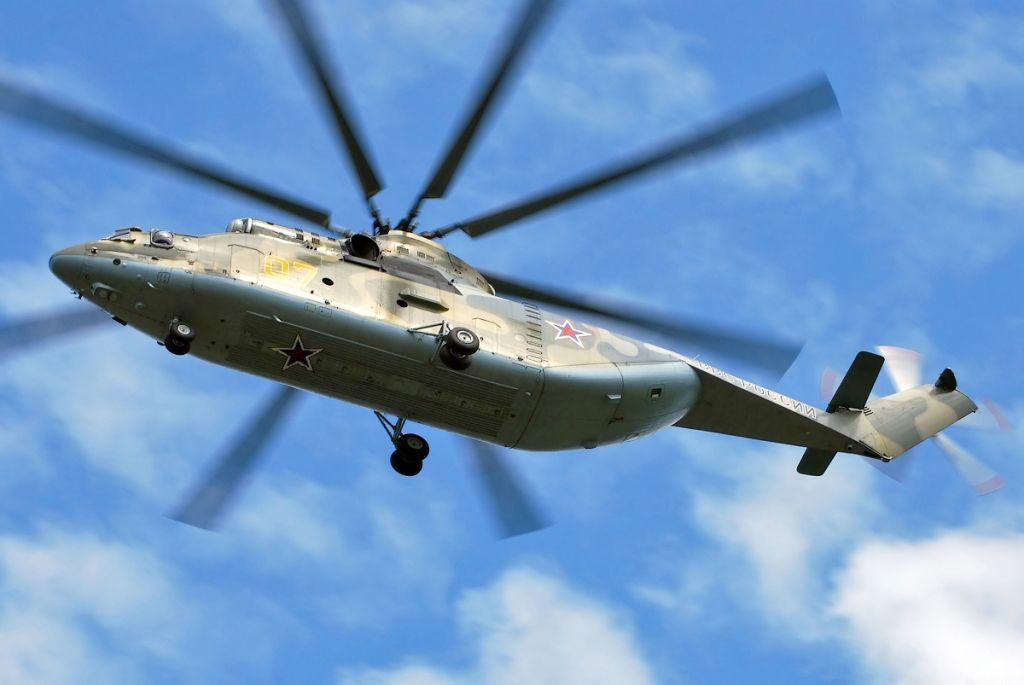
The Governor of the Samara Region, Vyacheslav Fedorishchev, added that work on the new power unit will be completed by 2031. The Mi-26 can carry up to 20 tons of payload and currently flies on D-136 engines from Motor Sich.
Read also on the topic:
FPV drone "Artemida 10", launched from a drone port, presented in Russia
The Russian analogue of the Baba Yaga hexacopter was presented at the Dronnitsa exhibition
Never miss our newsAdd this site to your preferred sources to see us more oftenAdd on Google