Translated with AI from the Russian original.
High-precision 9M333 anti-aircraft guided missiles (SAMs) for the Strela-10 anti-aircraft missile system (SAM) from the Kalashnikov concern (part of Rostec) successfully destroy reconnaissance drones, the company said.
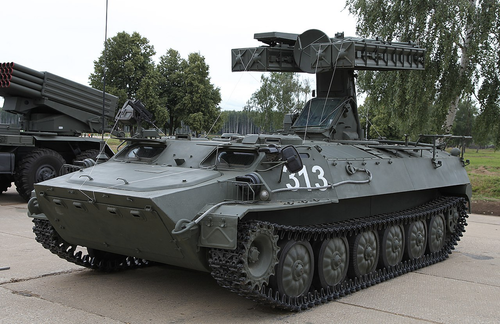
SAM system crews monitor the air space in the areas of responsibility around the clock, promptly suppressing with 9M333 anti-aircraft guided missiles all attempts to conduct aerial reconnaissance of the area and calculate the location of artillerymen using reconnaissance unmanned aerial vehicles.
In flight, the average missile speed is about 550 m/sec, it is capable of destroying targets at a distance of up to 5 km.
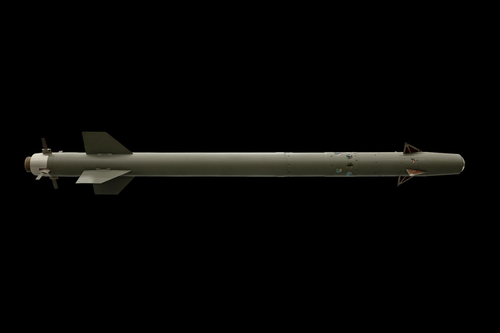
The concern's specialists stated that the ammunition operates on the "fire-and-forget" principle and performs excellently in combat conditions.
Earlier www1.ru reported that Rostec revealed the features of the Malka howitzer after modernization.
Read more materials:
Russia's "Sea Terminators" will be turned into missile trucks
Lancet kamikaze drones have become incredibly accurate: they will hit fast-moving equipment
American Chevrolet Corvette C7 presented in the color of the Su-57 fighter: video
Never miss our newsAdd this site to your preferred sources to see us more oftenAdd on Google

















