The press service of St. Petersburg State University (SPbSU) reported that university researchers have discovered a compensatory mechanism that is activated in the brain in case of disorders of the dopamine system. The work was carried out on the DAT‑KO line of genetically modified rats with the dopamine transporter gene turned off.
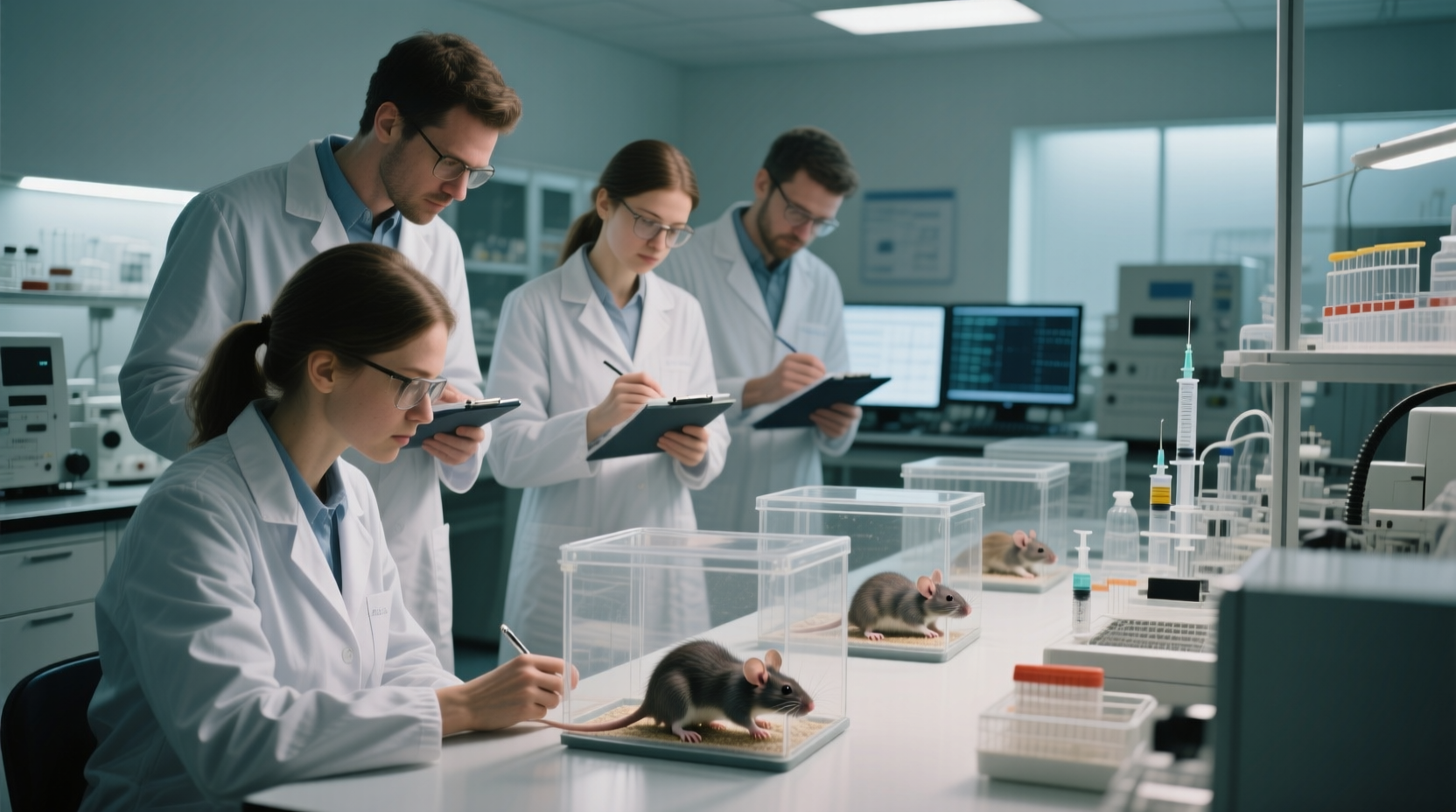
Experiments have shown that when dopamine transport is impaired, the expression of the tyrosine hydroxylase gene, a key enzyme in the synthesis of this neurotransmitter, increases. This reaction looks like an attempt by the body to partially compensate for the deficiency characteristic of conditions such as ADHD and Parkinson's disease.
Scientists focused on dopamine neurons of the substantia nigra, an area responsible for motor function; its damage is associated with serious neurological disorders. A comparison of data from patients with Parkinson's disease and the results of animal studies showed coordinated work of genes involved in the synthesis, storage and transmission of dopamine signals. Although the described mechanism does not fully restore the level of dopamine, its study opens up prospects for the development of new therapeutic approaches.
Read also on the topic:
Therapy for the treatment of brain injuries using trace amines is being developed in Russia
Now on home

Start of deliveries scheduled for 2027

Over 51,000 new motorcycles were sold in Russia in 2025

The car will take at least a year to assemble

The application's audience has reached 20 million users

The model will be included in the list of cars for taxis, price - from 2.25 million rubles

All parking lots of the "Administrator of the Moscow Parking Space" are connected to the service

The cars will be supplied to the Moscow Transport Service Directorate

Deliveries to India may begin in 2028

The technology provides automated search for all types of defects in power units

The plane flew 500 km, accelerating to 425 km/h

The plant stated that the information about the termination of purchases for models 6 and 8 is not true

Scientists are using the "Ekran-M" installation