Translated with AI from the Russian original.
Inline P6 engines with 430-460 hp will be produced at the Tutaev Motor Plant (a subsidiary of PJSC KAMAZ) for agricultural machinery, industrial plants, river and sea vessels, and diesel locomotives. This was reported by the press service of the auto giant.
The new section will be located in the unit building, next to the machining section of the cast iron cylinder head.
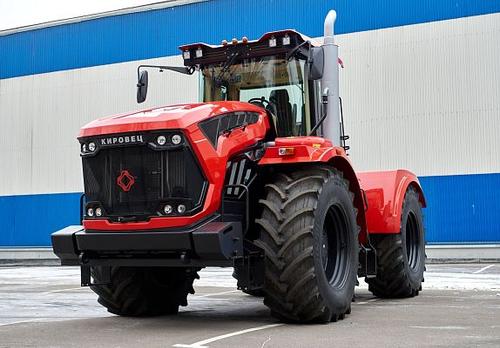
P6 engines will be installed on the equipment of Rostselmash and the St. Petersburg Tractor Plant.
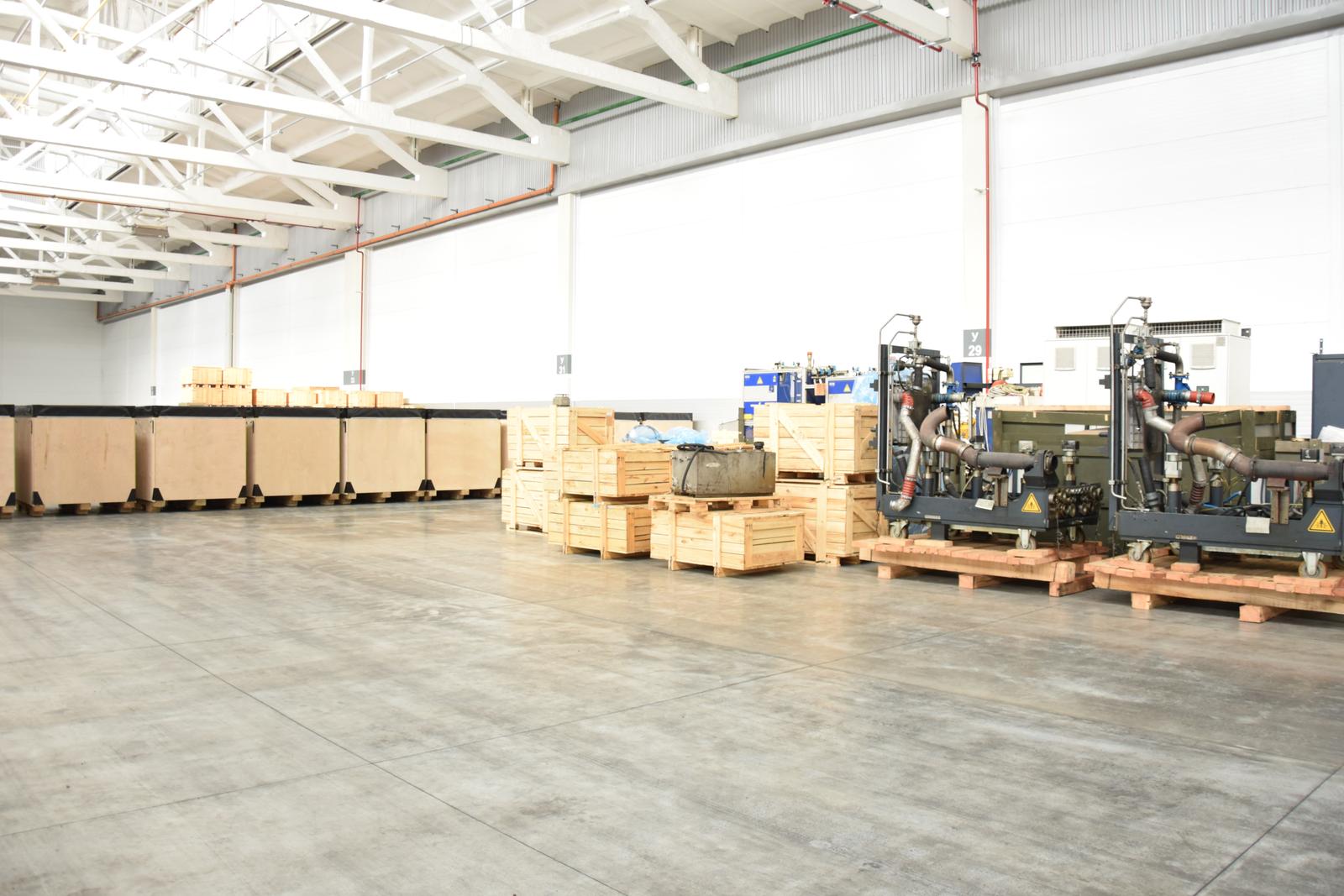
Vladimir Shchanikov, Chief Engineer of PJSC TMZ, said that it is necessary to quickly deploy new production. For this, design and construction work will be carried out in parallel.
Preliminary technological processes, layout solutions and designs of slipways for assembly have already been developed.
The slipways will be made by employees of the workshops of non-standard equipment and repair and tool equipment. The test bench was supplied by PJSC KAMAZ. The launch of P6 production is scheduled for the end of 2025.
Read more on the topic:
Tutaev Motor Plant will improve the quality of engines and assembly units
Tutaev Motor Plant will begin producing a new type of car winch in April
Never miss our newsAdd this site to your preferred sources to see us more oftenAdd on Google

















