Translated with AI from the Russian original.
Scientists from the Moscow Aviation Institute (MAI) have presented an innovative method for optimizing the trajectories of long-range space flights. This was reported in the press service of the university.
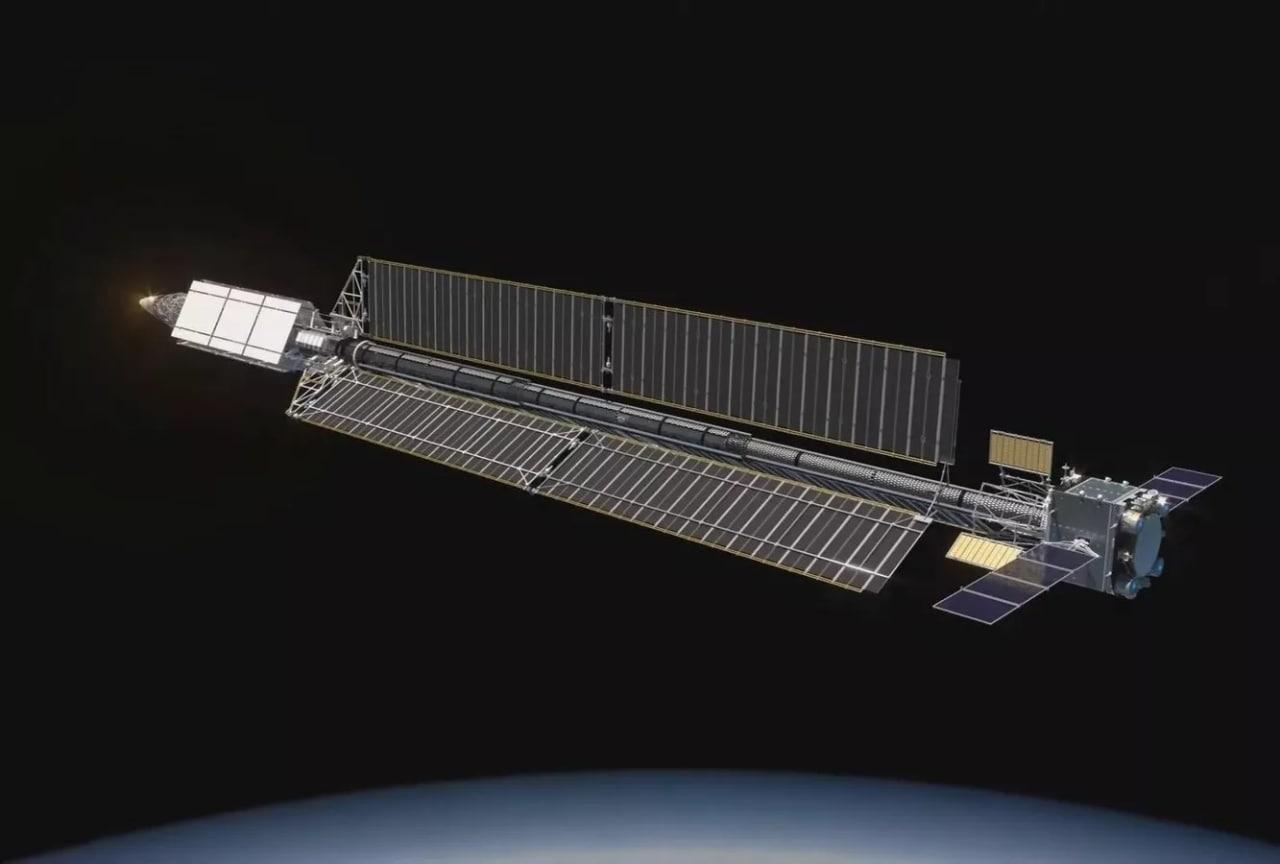
They have developed a method for designing optimal trajectories for interorbital spacecraft, including those equipped with electric rocket engines. This technique can significantly improve the efficiency of future ambitious missions, including flights to the Moon and the use of interorbital tugs.
The development is based on modern mathematical methods and specialized computer algorithms. They allow for highly accurate calculation of the most efficient paths for spacecraft, taking into account the influence of various external forces (gravity, solar wind, and residual atmospheric resistance in high orbits).
According to Ilya Nikolichev, Associate Professor of Department 601 "Space Systems and Rocket Engineering", the new method makes it possible to accurately predict how the trajectory of a spacecraft will change under the influence of external factors. This includes determining the displacement, curvature of the trajectory, and calculating the required amount of fuel for maneuvers.
The project will be relevant for designing trajectories of vehicles such as a lunar or interorbital tug with electric propulsion engines and a nuclear power plant, like the prospective "Zeus" project.
Earlier, www1.ru reported that a successful launch of the Angara-1.2 carrier rocket was carried out from the Plesetsk cosmodrome on August 21.
Read materials on the topic:
Elon, take to Mars!: Russian engines, spacesuits and experience in long-duration space flights can help the US in an expedition to the red planet
Never miss our newsAdd this site to your preferred sources to see us more oftenAdd on Google

















