Chemists from Tomsk State University (TSU), in collaboration with Iranian colleagues, have created a new biomaterial for treating complex cases of osteoporosis. The development is a multi-layered structure that not only replaces damaged areas of bone but also gradually releases medication, preventing further tissue destruction. The project is supported by a grant from the Russian Science Foundation (RSF).

The main component is zoledronic acid, which is effective for osteoporosis but toxic in high doses. To avoid side effects, scientists used cucurbituril supramolecules-unique "containers" that hold the acid and release it gradually. These molecules are applied to bioglass, which acts as an accumulator, and then placed on a polymer scaffold (frame) printed on a 3D printer.
The main active ingredient in our case is zoledronic acid. Like all acids, it is toxic in high concentrations. Our goal is, firstly, to deliver it to the right place, and secondly, to ensure that it is released gradually and in the dose that will not harm the body but will inhibit the further development of osteoporosis. For this, we use a biological container - cucurbituril supramolecules, which were previously obtained at the Department of Natural Compounds of Pharmaceutical and Medical Chemistry of the TSU Faculty of Chemistry.

The final stage is the creation of an implant that not only fills the bone defect but also stimulates the growth of new cells (osteoblasts). Testing on cell cultures helps optimize the properties of the material. The project is scheduled to run until 2026, and its results may open up new opportunities in regenerative medicine.
Read more related materials:
AI diagnoses the cause of a heart attack in 400 ms: a novelty in the analysis of OCT images
New hypoallergenic coating from BelSU researchers may help with complications of gallstone disease
Now on home

Start of deliveries scheduled for 2027

Over 51,000 new motorcycles were sold in Russia in 2025

The car will take at least a year to assemble

The application's audience has reached 20 million users

The model will be included in the list of cars for taxis, price - from 2.25 million rubles

All parking lots of the "Administrator of the Moscow Parking Space" are connected to the service

The cars will be supplied to the Moscow Transport Service Directorate
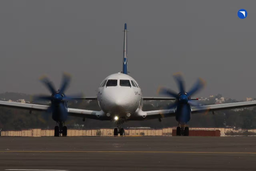
Deliveries to India may begin in 2028
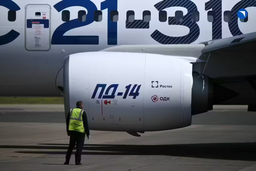
The technology provides automated search for all types of defects in power units

The plane flew 500 km, accelerating to 425 km/h

The plant stated that the information about the termination of purchases for models 6 and 8 is not true

Scientists are using the "Ekran-M" installation