Samara University named after Korolev has developed a neural network navigation system for unmanned aerial vehicles. It allows drones to independently follow a given route without operator intervention. The system is based on artificial intelligence and computer vision technologies, the university's press service reported.
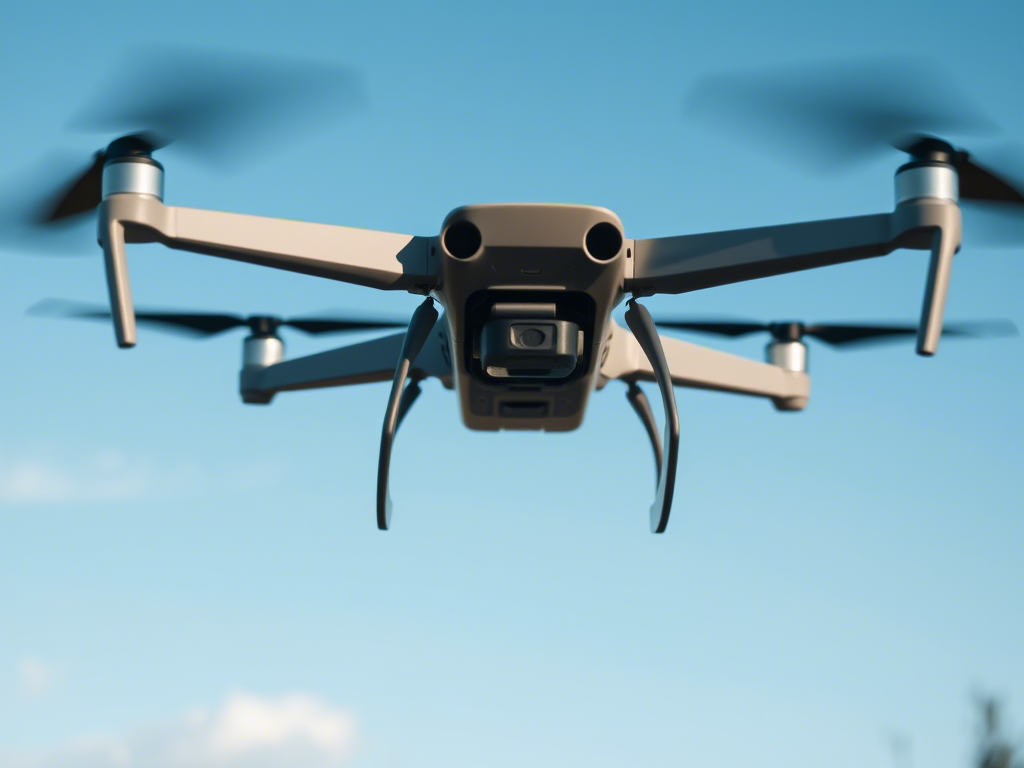
Scientists at Samara University named after Korolev have developed a software package for navigation with artificial intelligence and a stereoscopic vision system for UAVs. The development, called "Navigator", allows drones to follow predetermined routes autonomously, without human intervention, bypassing no-fly zones and independently responding to suddenly emerging obstacles ahead - for example, in the form of oncoming birds or UAVs.
According to Professor Artem Nikonorov, Head of the Institute of Artificial Intelligence and Director of the Center for Intelligent Mobility of Multifunctional Unmanned Aviation Systems at Samara University, the "Navigator" system helps to divide the airspace for UAVs into separate routes. It also identifies areas where flights are prohibited and detects both moving and stationary objects in the air.
The use of this system on board agro-drones will allow, for example, to determine which areas of the field need watering and treatment, and which do not. This will help prevent accidental departure beyond the field.
According to data provided by researchers from the university, one of the unique characteristics of "Navigator" is its ability to perceive the depth of space using two video cameras. This allows the software package to process video streams coming from both cameras simultaneously. This achieves high accuracy in determining the distance to objects and the characteristics of the surface.
Unlike standard drones that use images from only one camera, "Navigator" is capable of planning flights for multiple UAVs in the same zone, ensuring their safety and preventing collisions. The system also allows analyzing data from the video camera and ensuring a safe landing if necessary.
In addition, "Navigator" has a unique function - it is able to maintain orientation even when the GPS signal is lost.
Interest in drones in Russia has increased significantly. Companies are investing in the development and production of civilian drones, which are actively used in various fields: for monitoring territories, in agriculture, for delivering goods and solving other tasks.
Read more on the topic:
Can carry up to a ton of cargo - the new Russian drone "Partizan" has been tested
Never miss our newsAdd this site to your preferred sources to see us more oftenAdd on Google