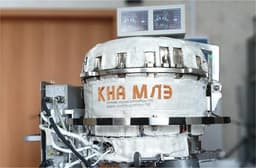
The ADAS level 2.0+ driver assistance system in the "Atom" electric vehicle uses a number of sensors, radars and cameras that ensure the full functioning of advanced safety and assistance features. This set of sensors is called a sensor set, and it is unique to the Russian auto industry.
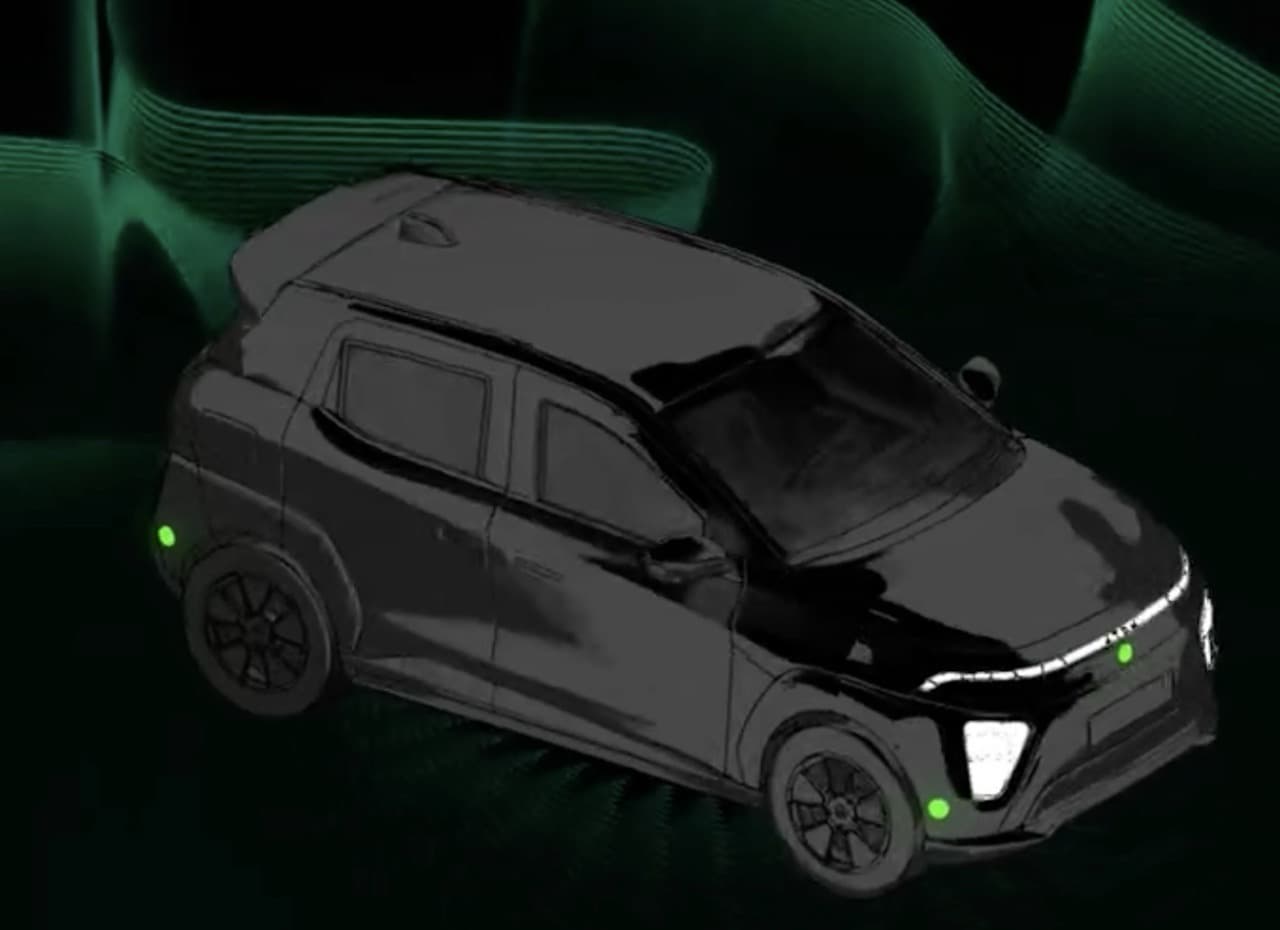
The system includes five radars: one long range radar, which recognizes objects at a long distance in front of the car, and four short range radars, which operate in the medium and near zone and are located at the corners of the car, under the bumpers. These devices help determine objects, their speed and distance to them.
12 ultrasonic sensors are used to recognize objects in the near zone of the car: four front, four rear and four side, which are installed on plastic covers of wheel arches and bumpers.
Cameras are an equally important part of the ADAS system and are installed in 10 locations. The main forward camera, located on the upper part of the windshield, recognizes objects in front of the car. All round cameras provide a view around the car, helping to detect objects in the near zone. Rearward side cameras, located in the front fenders, warn the driver of objects in these areas.
Additionally, cameras are installed to monitor the driver (driver control camera), which monitors the driver's attention and signals possible fatigue. There is also an internal mirror camera in the cabin, which helps the driver monitor passengers and transmits the image to the digital rearview mirror.
These ADAS system components provide a high level of safety and comfort for the driver and passengers, including features that prevent emergency situations and provide easier vehicle control.
Read materials on the topic:
The newest electric car "Atom" will receive its own low-voltage architecture
Launch of "Atom" cars at the facilities of the "Moskvich" plant: preparation for mass production