Russia and China have joined forces in lunar exploration - two Russian scientific instruments will go into space aboard the Chinese Chang'e-8 mission in addition to the already planned Russian Luna-27 mission. This will provide the most accurate data on the lunar exosphere.
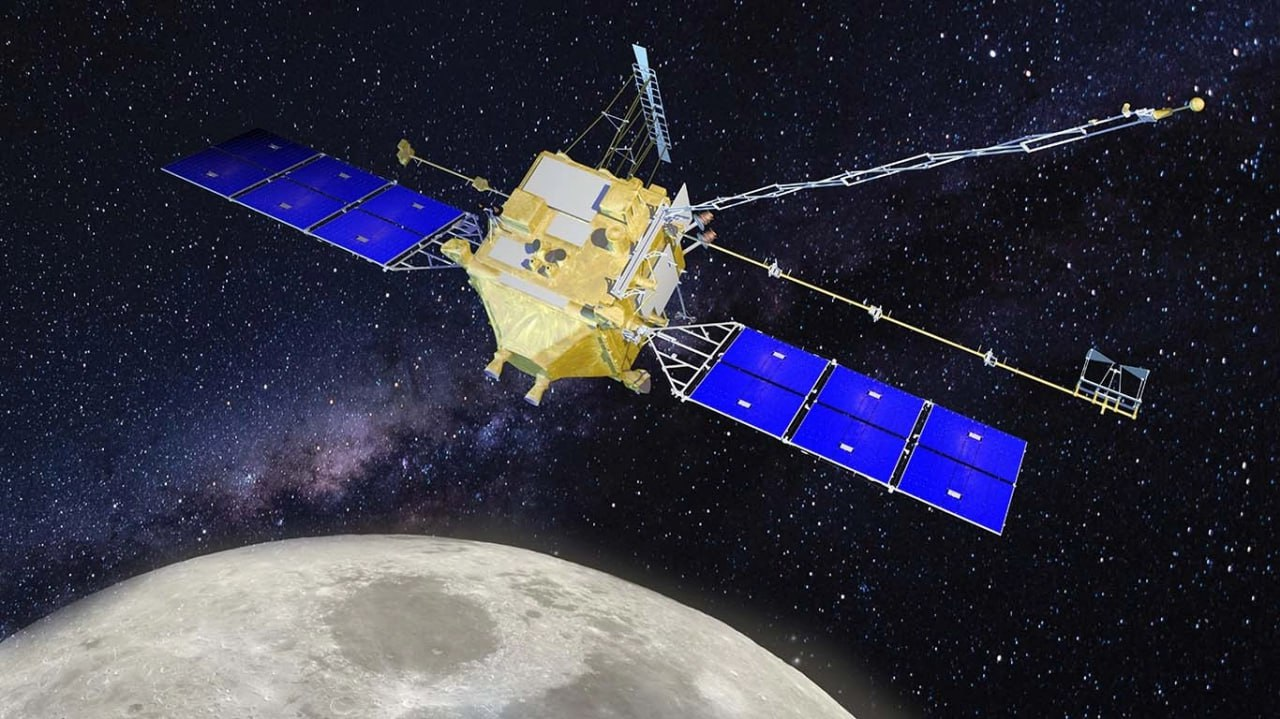
The Chinese mission will include the ALIEN-CE8 ion energy-mass analyzer and the LPDE-CE8 experimental complex. These devices are exact copies of devices previously developed for the Russian Luna-27 mission. ALIEN-CE8 will analyze the composition and energy of ions in the lunar exosphere (this is the name of the outer layer of the atmosphere made of rarefied hydrogen and helium, bordering space), and LPDE-CE8 will study the plasma-dust environment around Earth's satellite.
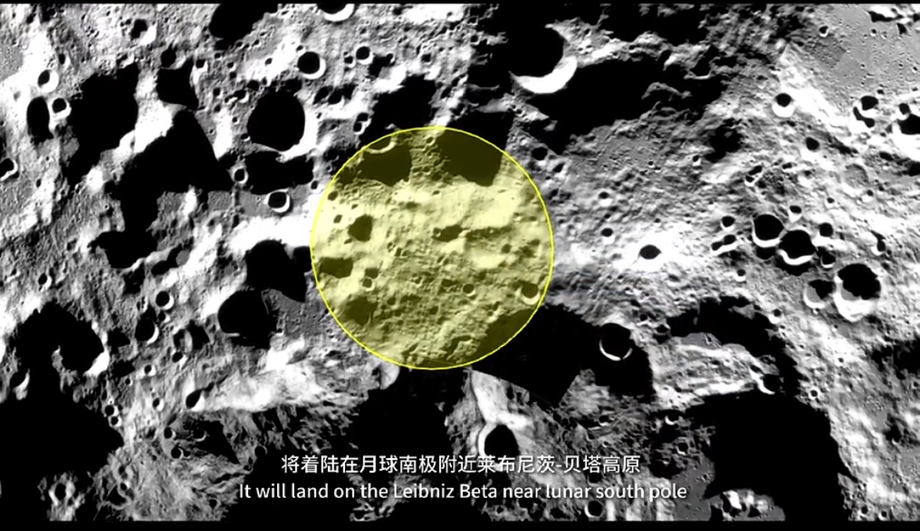
The joint use of data from duplicate devices on two different spacecraft will give scientists a unique opportunity to obtain the most complete and accurate picture of the processes occurring on the Moon. This is especially important for assessing potential risks when creating future lunar bases.

The launch of the Chinese Chang'e-8 mission is scheduled for 2028. It will be an important step in the implementation of the project to create an International Scientific Lunar Station, where Russia and China are key partners.
Read more on the topic:
Luna-27a and Luna-27b will replace the Russian Luna-25 in space
Russia plans to start mining water and oxygen on the Moon
It became known what will be installed on the Russian spacecraft Luna-26 and Luna-27
Now on home

Start of deliveries scheduled for 2027

Over 51,000 new motorcycles were sold in Russia in 2025

The car will take at least a year to assemble

The application's audience has reached 20 million users

The model will be included in the list of cars for taxis, price - from 2.25 million rubles

All parking lots of the "Administrator of the Moscow Parking Space" are connected to the service

The cars will be supplied to the Moscow Transport Service Directorate
Deliveries to India may begin in 2028
The technology provides automated search for all types of defects in power units
The plane flew 500 km, accelerating to 425 km/h

The plant stated that the information about the termination of purchases for models 6 and 8 is not true
Scientists are using the "Ekran-M" installation
Articles
-
Russian An-124 "Ruslan" Stuck in Canada for 4 Years and Accrues Millions in Fines
26 Jan 2026
-
Coaxial Propellers: How Counter-Rotation Increases Turboprop Engine Efficiency
25 Jan 2026
-
Kazan Aviation Plant Breaks Old System: Tu-214 to be Assembled Like Cars
25 Jan 2026
-
How Engineers and Technicians Are Paid Today in the Russian Aviation Industry: An Overview with Figures
24 Jan 2026