Translated with AI from the Russian original.
On April 23, 2025, at 17:00, the "Cosmonautics and Aviation" Center will host a unique thematic tour "Satellites. Earth from Space", dedicated to the 60th anniversary of the launch of the first Soviet communications satellite "Molniya-1". Visitors will learn how space technologies have changed our daily lives.
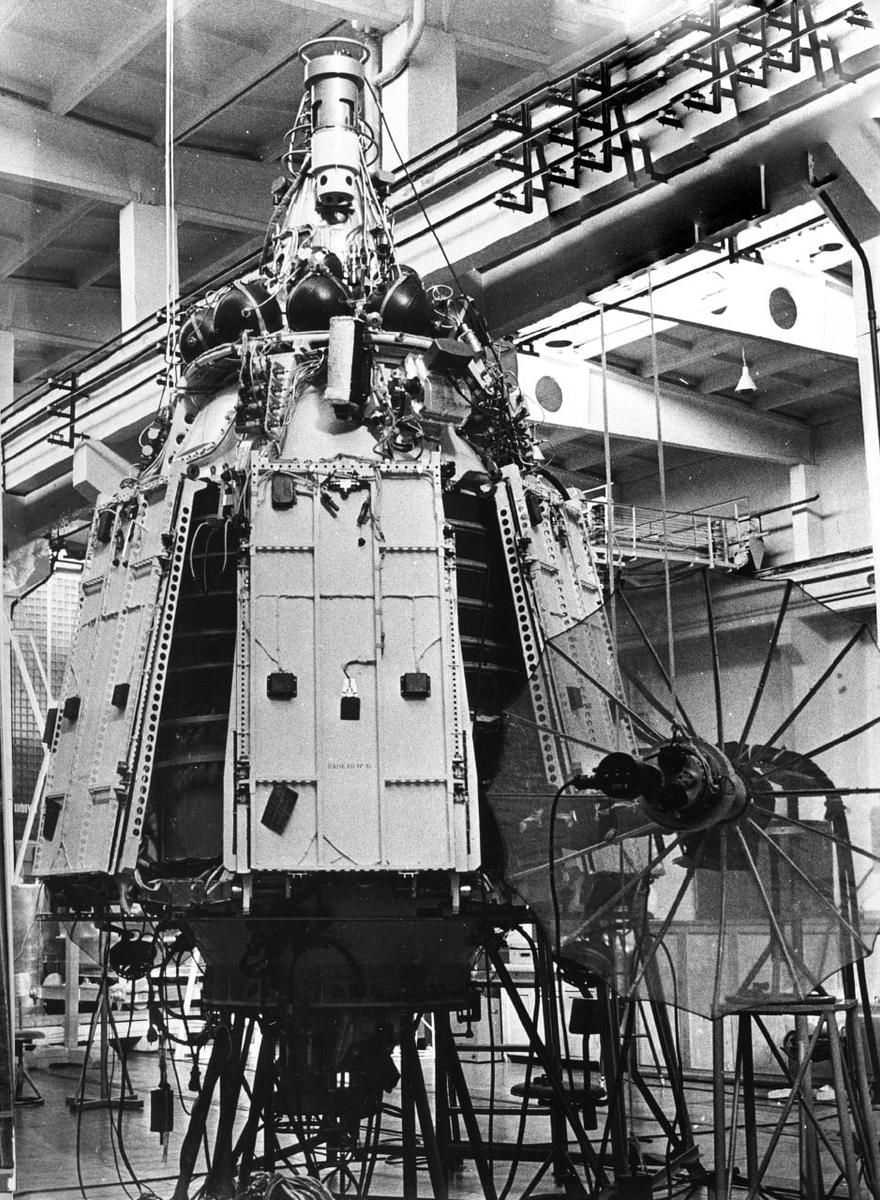
The history of modern communication began on April 23, 1965, when the Soviet satellite "Molniya-1" soared into the sky. This event was a revolutionary breakthrough in the field of telecommunications. Before that, the transmission of television signals over long distances was almost impossible.
Engineers and scientists of that time created a device with a unique orbit, a complex orientation system, and advanced solar panels. Special attention was paid to the technology of compensating for the Doppler effect - a physical phenomenon that causes the signal frequency to change when the source moves.
The first large-scale test of the new satellite was the broadcast of the Victory Parade from Moscow to the Far East. The live television signal transmitted through space literally blew up public consciousness. People saw for the first time how modern technologies erase the boundaries between cities and continents.
On the "Satellites. Earth from Space" tour, visitors will be able to learn more about how orbital technology is used and how satellites affect our daily lives. Tickets for the tour are available at the information desk of the "Cosmonautics and Aviation" Center. To receive a ticket, you must firstregister, and tickets will be issued according to the list of registered participants 10 minutes before the start of the event.
Read more materials on the topic:
54 years have passed since the launch of the first long-term orbital station: what was the DOS "Salyut" like?
Never miss our newsAdd this site to your preferred sources to see us more oftenAdd on Google

















