Scientists from Perm National Research Polytechnic University have created a material that can significantly lighten the filtering elements in respirators designed to protect industrial workers from the harmful effects of sulfur dioxide.
Sulfur dioxide (SO2) is a gas that is formed during the operation of metallurgical, energy, oil and gas, and other industries. In the atmosphere, especially at high humidity, it turns into sulfurous acid. Under the influence of oxygen and sunlight, it oxidizes and turns into sulfuric acid. Then the wind carries it over long distances.
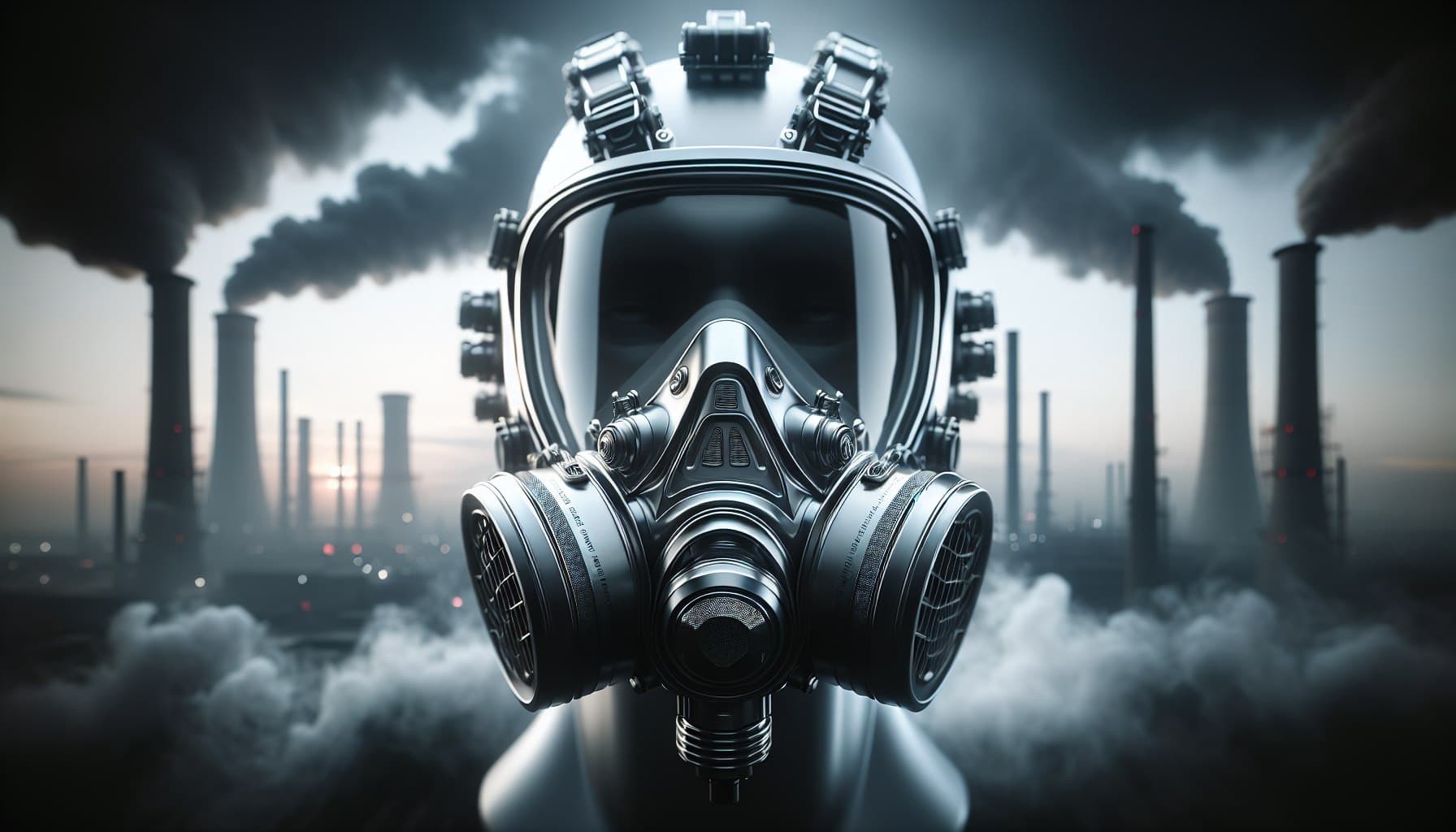
Even in small doses, it [sulfuric acid] is harmful to health: it burns the lungs and causes poisoning. Existing respirators designed to protect workers from its effects are not always convenient to use for long periods due to their heavy weight. PNRPU scientists have developed a new version of filtering and sorbing material, the use of which will reduce the weight of the sorption cartridge (binding gas in the respirator) by 15 times.
Currently, alkaline solutions in air purification systems are used at industrial enterprises to ensure the safety of employees from the effects of this poisonous gas. These solutions absorb the gas, trapping it. Activated carbon and lime are used for this.
For example, respirators worn by workers use granules of activated carbon with additives that bind the gas.
Scientists have developed a new, lighter chemisorbent for respirators. They took activated carbon fabric with a developed porous structure as a basis and impregnated it with a solution of potassium iodide. It chemically binds SO2 to form safe products - sulfur and iodine, which are reliably retained on the surface of the fabric.
One of the material samples developed by the authors showed high efficiency in trapping the toxic substance for six hours. Researchers suggest that lighter respirators can be created based on this material.
The development contributes to solving two important tasks: it increases safety in industries where harmful substances are used, and expands the possibilities for choosing personal protective equipment. In the future, this technology can be adapted for other toxic gases as well.
Earlier, Russian scientists created aninnovative bionic suit that can track a person's vital signs in harsh northern conditions and act as a digital assistant.











