Lada Niva Travel and Lada Niva Legend SUVs are already protected from corrosion from the factory. However, AvtoVAZ recommended carrying out a full annual anti-corrosion treatment of the body for prevention.

We advise you to carry out anti-corrosion treatment of the body every year. After all, its condition can be affected by many aggressive factors that are not controlled by either the manufacturer or the owner (including the climatic features of the region of operation.
The body elements of the Lada Niva Legend are covered with a cataphoretic primer. Partial galvanizing is used on the Lada Niva Travel - the main body parts are made of double-sided hot-dip galvanized rolled products, other elements are made of galvanized metal. Welding seams and panel joints are sealed with mastic for additional protection against corrosion.
Earlierwww1.ru reported that AvtoVAZshipped special versions of Lada Niva Travel.
Read materials on the topic:
LADA Aura vs. "Moskvich 6": who has better sound insulation and more comfort
"Live" Lada Aura and Largus appeared in AvtoVAZ showrooms: current prices and photos
Serial production of LADA Aura has started at AvtoVAZ: the first cars have entered state structures
Now on home
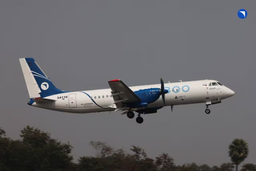
Board No. 54116 went for testing in Yakutia
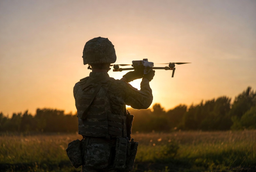
4 kg thermobaric grenades with a ударным ядром are capable of overcoming anti-drone protection
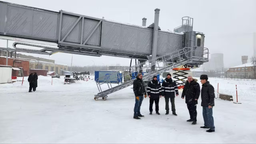
The new "sleeve" can withstand temperatures from -50 to +50 °C and is fully import-substituted
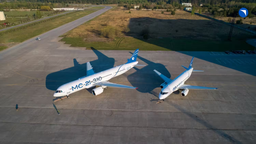
The updated program envisages a 5% reduction in production, but is extended by five years
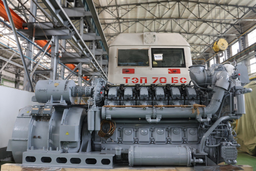
Improved 3400 hp engines ensure the efficiency of freight locomotives
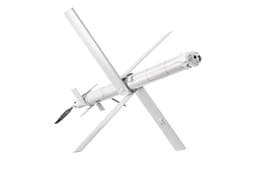
Kalashnikov's Development is Effective at Any Time of Day
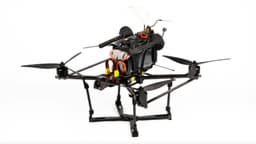
Designers ensure mass production while maintaining technological sovereignty
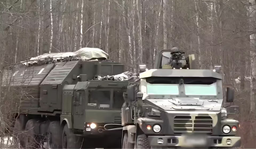
Analyst Korotchenko stated that the chassis from the Yars is used for the MRBM
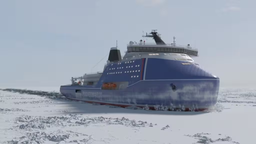
Deputy Prime Minister Yuri Trutnev revealed details of a large-scale plan for the development of the Arctic transport infrastructure
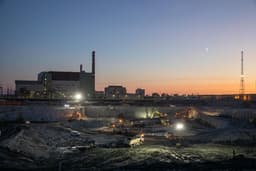
Rosatom supplies nuclear fuel and is building another nuclear power plant in Europe
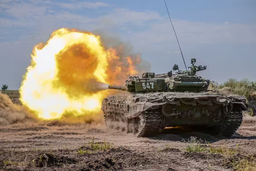
The recording was taken through the lens of the "Sosna-U" sight
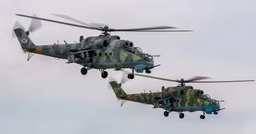
"ODK-Klimov" Filed Seven Lawsuits Against KVZ