Crews of Russian T-72B3 tanks are constantly improving the protection of their combat vehicles. The military began to use samples of equipment reinforced with pieces of steel cables resembling curly hair.
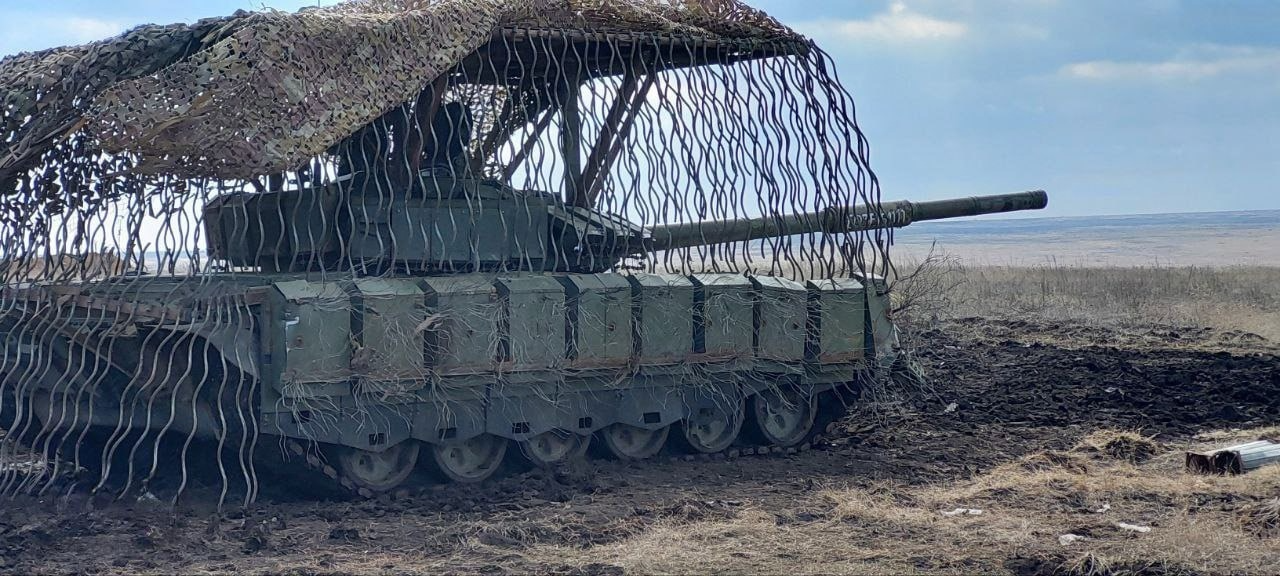
From the rear, the “curls” are so long that they literally drag along the ground. This measure is necessary so that an attacking drone cannot “dive” and crash into the engine-transmission compartment.
Also, boxes with “reactive” armor, previously installed only on turrets, are attached to the sides of the hull. Wire is placed on top of them, which is also designed to protect against drone attacks.
In the fall of last year, Russian tanks with protection nicknamed “dreadlocks” appeared on the Web.
T-72B3M is a modernized version of the T-72B3 tank, which received a new sighting system with a digital display, as well as a rear-view television camera.
Earlier www1.ru reported that Russia has found a way to make aircraft engine blades ultra-durable and heat-resistant.
Read more materials:
The new Russian D100 engine for nuclear power has successfully passed testing
The Akhmat armored car survived seven kamikaze drone attacks and drove to the rear on three wheels
Never miss our newsAdd this site to your preferred sources to see us more oftenAdd on Google

















