Russian military personnel are actively using the AGS-17 "Plamya" automatic mounted grenade launcher. The complex is designed to destroy personnel and enemy firing assets located outside shelters, in open trenches, and behind natural folds in the terrain.
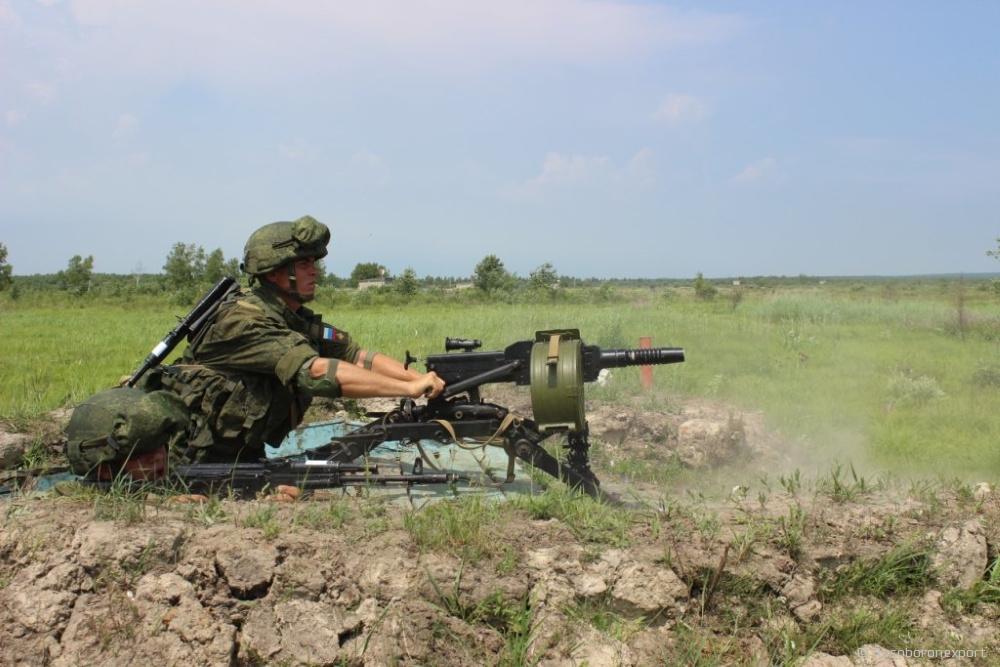
AGS-17 crews successfully provide powerful fire support to assault units. "Plamya" is especially effective against enemy infantry.
One magazine, nicknamed "snail" for its shape, holds 29 rounds. The fragments of each grenade scatter in a checkerboard pattern for greater density of enemy engagement, covering approximately seven meters.
Main characteristics of AGS-17:
- Caliber - 30 mm
- Rate of fire - 420 rounds/min
- Weight with mount and sight - 31 kg
- Grenade launcher weight - 18 kg
- Sighting range - 1700 m
Earlier www1.ru reported that ships of the Baltic Fleet repelled a mock attack by supersonic Su-27 fighters.
Read more on the topic:
Components for Russian aircraft engines have begun to be manufactured using domestic equipment
An element of the mosquito fleet: the production of naval BECs has been significantly increased in Russia
An underwater drone for clearing sea areas of mines has been developed in Russia
Never miss our newsAdd this site to your preferred sources to see us more oftenAdd on Google

















