Translated with AI from the Russian original.
A drone detector called "Shadow" has been developed for the Russian military. The device not only warns that an enemy FPV drone is preparing to attack, but also shows the distance at which the UAV is located from the object it is attacking.
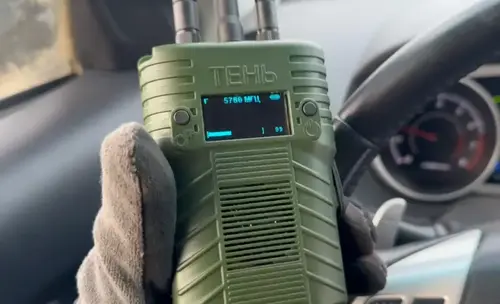
Experts have equipped the "Shadow" with a special screen that will display the car that the FPV drone intends to attack. This option will allow the Russian military to avoid defeat by leaving the vehicle in time.
The device uses advanced technologies and unique functionality to instantly warn of the approach of unidentified unmanned aerial vehicles. Real-time alerts provide a critical advantage, allowing you to respond quickly and make important decisions on the battlefield.
According to the developers, the "Shadow" drone detector is a revolutionary individual alert system created to save lives in modern armed conflicts. The detector is capable of detecting drones within a radius of 3 km and promptly warning the device's carrier about it.
Earlier www1.ru reported that ships of the Baltic Fleet repelled a mock attack by supersonic Su-27 fighters.
Read more on the topic:
Parts for Russian aircraft engines began to be manufactured on domestic equipment
Element of the mosquito fleet: the production of marine BECs has been significantly increased in Russia
An underwater drone for mine clearance of the sea area has been developed in Russia
Never miss our newsAdd this site to your preferred sources to see us more oftenAdd on Google

















