Scientists from the Kazan Aviation Institute (KNITU-KAI) have developed innovative algorithms for autonomous navigation of unmanned aerial vehicles using computer vision. These algorithms allow UAVs to effectively detect circular markers, which significantly improves their ability to autonomous navigation and landing.
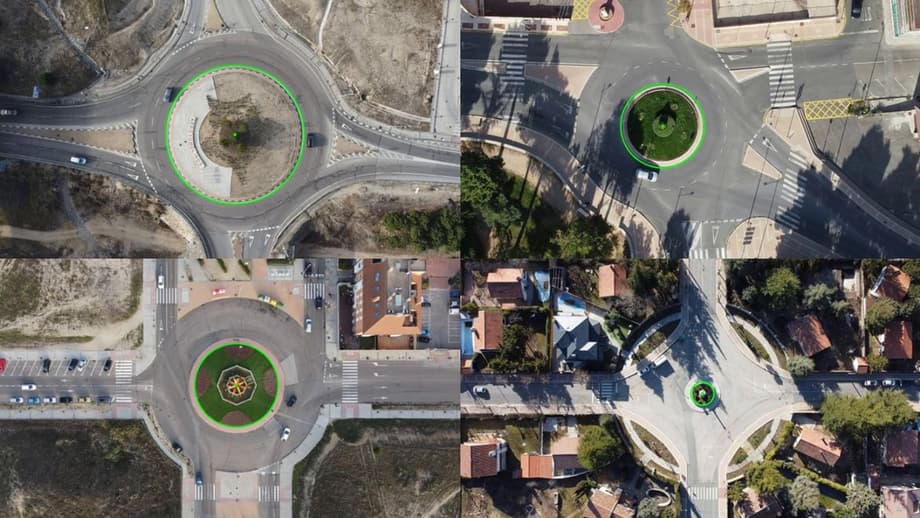
The main goal of the project is to enable drones to operate without dependence on GPS, especially at the critical landing stage. In the event of loss of communication with the global navigation system, drones will be able to continue performing navigation tasks, relying only on internal systems based on images and computer vision. This will be possible due to the accurate detection of the centers of circular markers, which serve as a guide for UAVs.
A system capable of functioning autonomously and without loss of efficiency in the absence of satellite communications makes drones more reliable and suitable for use in remote and inaccessible areas where the GPS signal may be weak or absent altogether.
Read materials on the topic:
Will work without satellites: Russian drones will be equipped with computer vision
For civilian and military: Russian drones will have a new technical vision system
Now on home

Start of deliveries scheduled for 2027

Over 51,000 new motorcycles were sold in Russia in 2025

The car will take at least a year to assemble

The application's audience has reached 20 million users

The model will be included in the list of cars for taxis, price - from 2.25 million rubles

All parking lots of the "Administrator of the Moscow Parking Space" are connected to the service

The cars will be supplied to the Moscow Transport Service Directorate
Deliveries to India may begin in 2028
The technology provides automated search for all types of defects in power units
The plane flew 500 km, accelerating to 425 km/h

The plant stated that the information about the termination of purchases for models 6 and 8 is not true
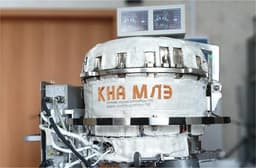
Scientists are using the "Ekran-M" installation