Translated with AI from the Russian original.
Russian Airborne Forces units will soon receive a new batch of combat vehicles with electronic warfare systems and drone detectors. This was announced by First Deputy Prime Minister of the Russian Federation Denis Manturov.
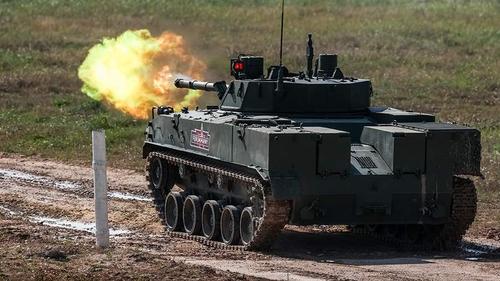
The Airborne Forces will receive another batch of vehicles with electronic warfare systems and drone detectors. By the end of the year, the government will purchase over 2,500 more vehicles for transfer to the military.
Manturov also noted that the Russian army has accumulated experience in using combat robots on the front lines. According to him, this is relevant in the context of the massive use of UAVs and FPV drones.
And our troops have already accumulated some experience in using such systems on the battlefield. This is especially relevant in the context of the massive use of unmanned aerial vehicles, FPV drones, as well as various means of destruction.
Earlier www1.ru reported that an improved BTR-82A with enhanced armor protection has been developed in Russia. The vehicle is armed with a 30 mm 2A72 cannon and can withstand hits from B-32 armor-piercing bullets.
Read related materials:
Worldwide fame strides ahead of us: Africa is interested in Russian UAV counteraction systems
Wider circle: impressive footage of the use of the Russian vacuum bomb ODAB-500P
F-16 is not an opponent: the Russian "Pantsir-S" will easily shoot down an American fighter
Never miss our newsAdd this site to your preferred sources to see us more oftenAdd on Google

















