The Russian holding company "STAN" (part of the Rostec Group) has designed a new grinding machine model SXS 512 to improve the efficiency of manufacturing complex parts in the aviation, engine-building, and energy industries. This was reported by the state corporation's press service.
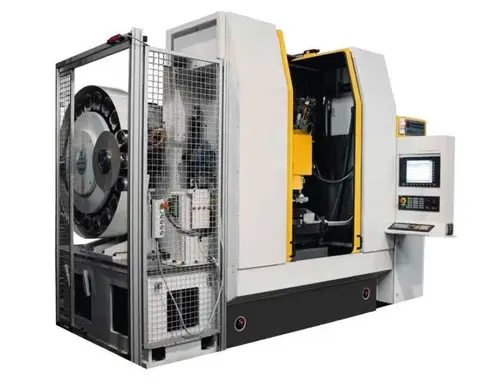
The SXS 512 machine operates on the basis of deep grinding technology in automatic mode. It allows processing blade locks (a complex component of gas turbine engines and units). The device has electronic control systems that reduce the likelihood of errors and improve the quality of parts processing.
The machine is also equipped with a two-axis table with the possibility of automated component replacement. This allows performing several operations at once. The SXS 512 is capable of processing more than ten different types of materials.
The use of the latest technologies in the design makes the SXS 512 competitive compared to foreign analogs. A prototype of the machine is currently in production at the Moscow plant of "STAN" - LLC "Grinding Machines".
The completion of the new product is scheduled for the end of 2024. The machine will replace foreign analogs.
Earlier www1.ru reported that Rosatom commissioned a giant machine at a metallurgical plant in St. Petersburg.
Read more on the topic:
Russia Releases First Giant Machine Stamping Parts for Aviation Enterprises
Chelyabinsk to Produce First Russian Waterjet Metal Cutting Machine
Never miss our newsAdd this site to your preferred sources to see us more oftenAdd on Google

















