Translated with AI from the Russian original.
The introduction of artificial intelligence (AI) technologies into the educational process by 2030 will reduce the working time of teachers by 10 times. This was announced by Igor Bederov, an expert at the National Technology Initiative (NTI) SafeNet.
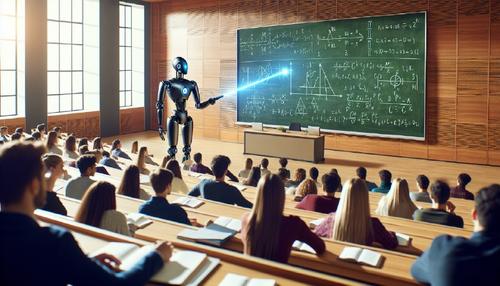
Artificial intelligence is able to optimize many tasks of teachers: answering recurring questions from students, creating tests or questions for the exam based on ready-made educational material.
Despite the promising direction, the integration of neural networks in education is slow.
Currently, AI has not yet been introduced into the educational process in Russia. At least in the quality that one would expect from advanced technology.
Today, generative AI is used only by some university professors. For example, some create robots inside ChatGPT that give recommendations on writing articles or launching advertising. This is useful for students studying marketing. Other teachers suggest that students use a neural network to prepare a resume when looking for a job.
Read materials on the topic:
In Russia, a neural network was taught to recognize dangerous objects in images
MTS AI will begin testing its neural network in Russia
Never miss our newsAdd this site to your preferred sources to see us more oftenAdd on Google

















