Russian cosmonauts are actively involved in the work on the appearance and content of the Russian Orbital Station (ROS) and thebranch of the Yu. A. Gagarin Cosmonaut Training Center in Vostochny, which will appear in the coming years. This was told to"Pervyi Technicheskiy" in an interview by Hero of Russia, test cosmonaut Sergei Korsakov during the international scientific and educational festival dedicated to the 90th anniversary of the birth of Hero of the Soviet Union, test pilot Yu. A. Gagarin.
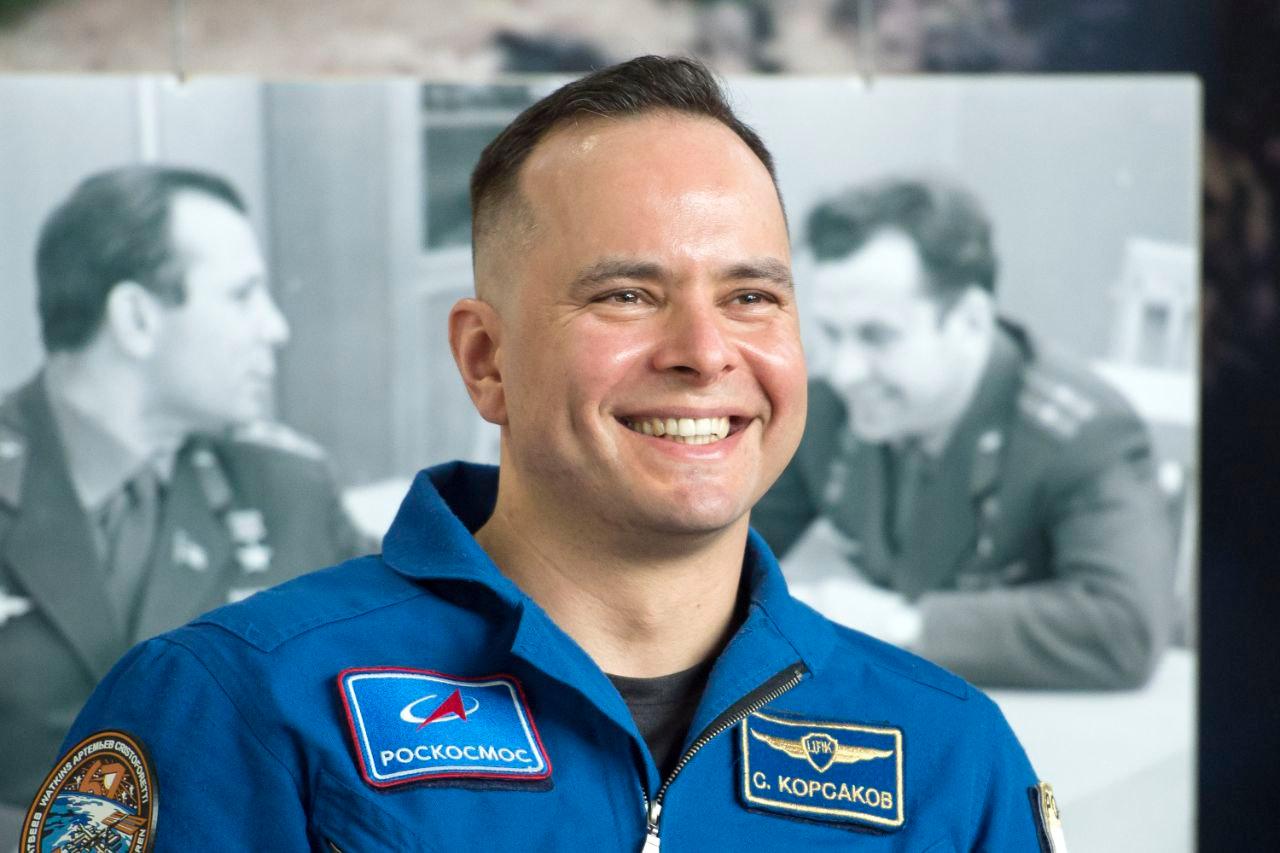
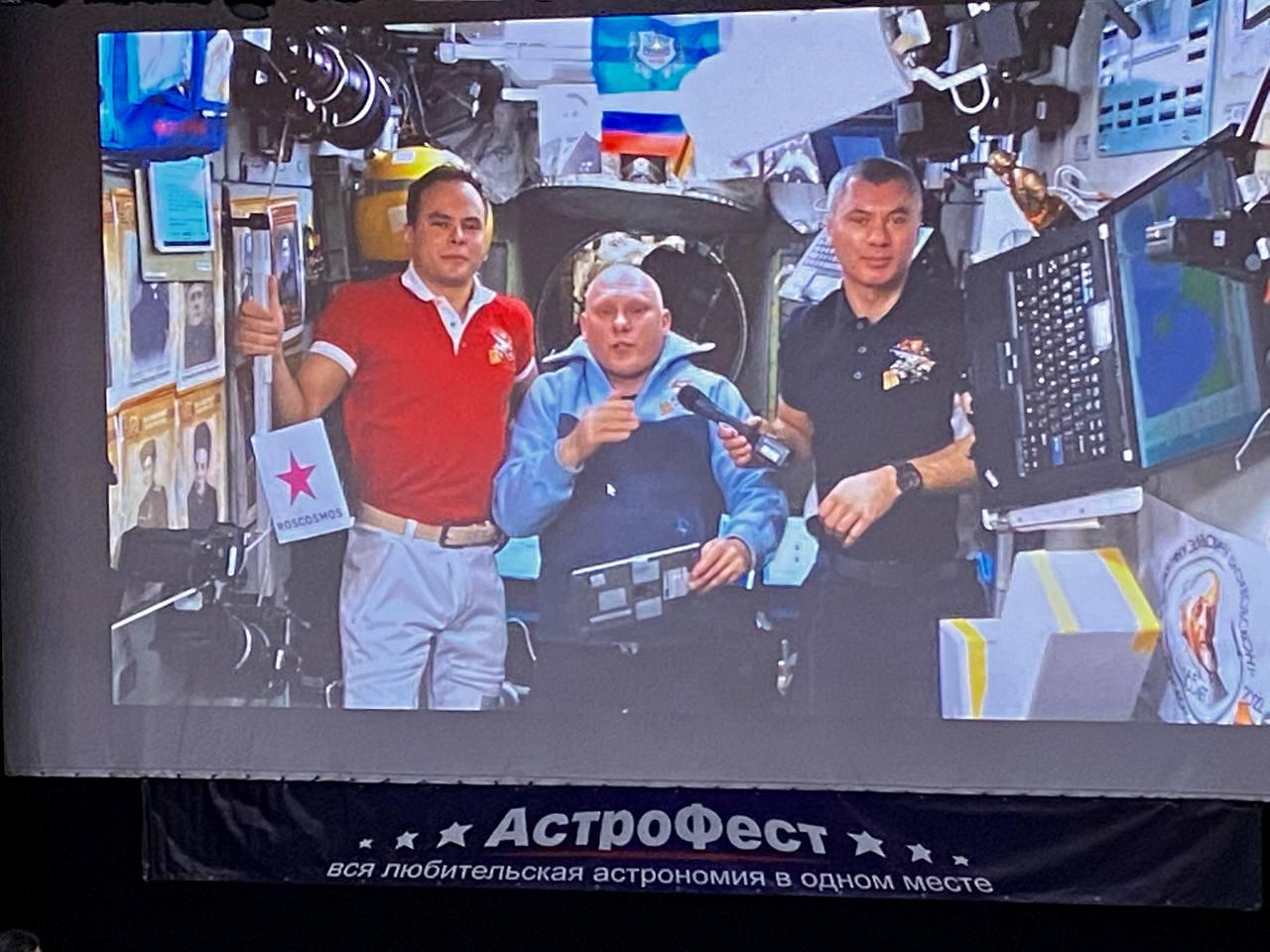
The main events of the festival from the ANO "Unique World" were held in Moscow, and a whole space landing party went to the CIS countries, which connected to them via video link. Korsakov went to Kyrgyzstan, test cosmonaut Petr Dubrov flew to Tajikistan, and test cosmonaut Arutyun Kiviryana went to Armenia. All cosmonauts met with scientists and students of the republics and answered their questions about life on the ISS, preparation for flights, new technologies and prospects for space exploration.
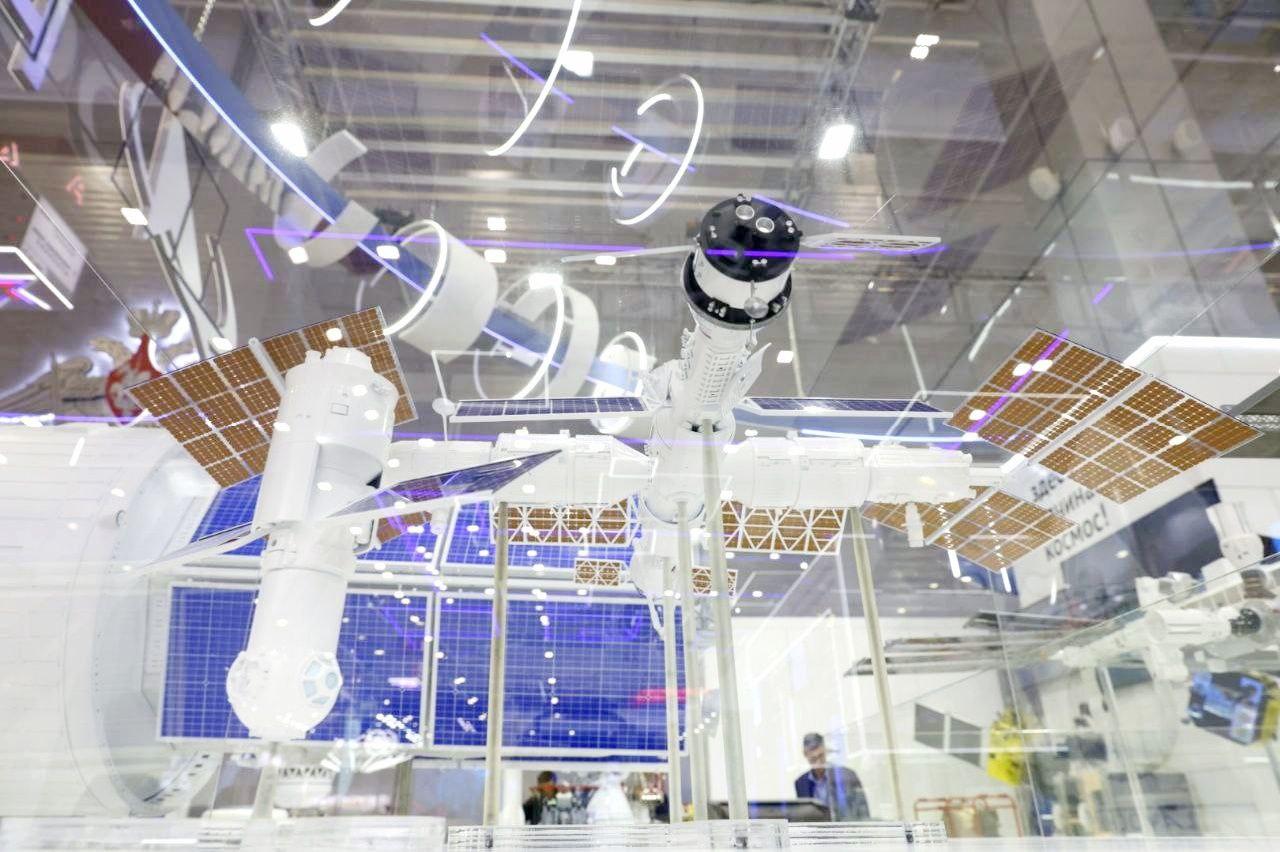
According to Sergei Korsakov, the recommendations of cosmonauts are taken into account when designing both new facilities that are important for Russian cosmonautics.
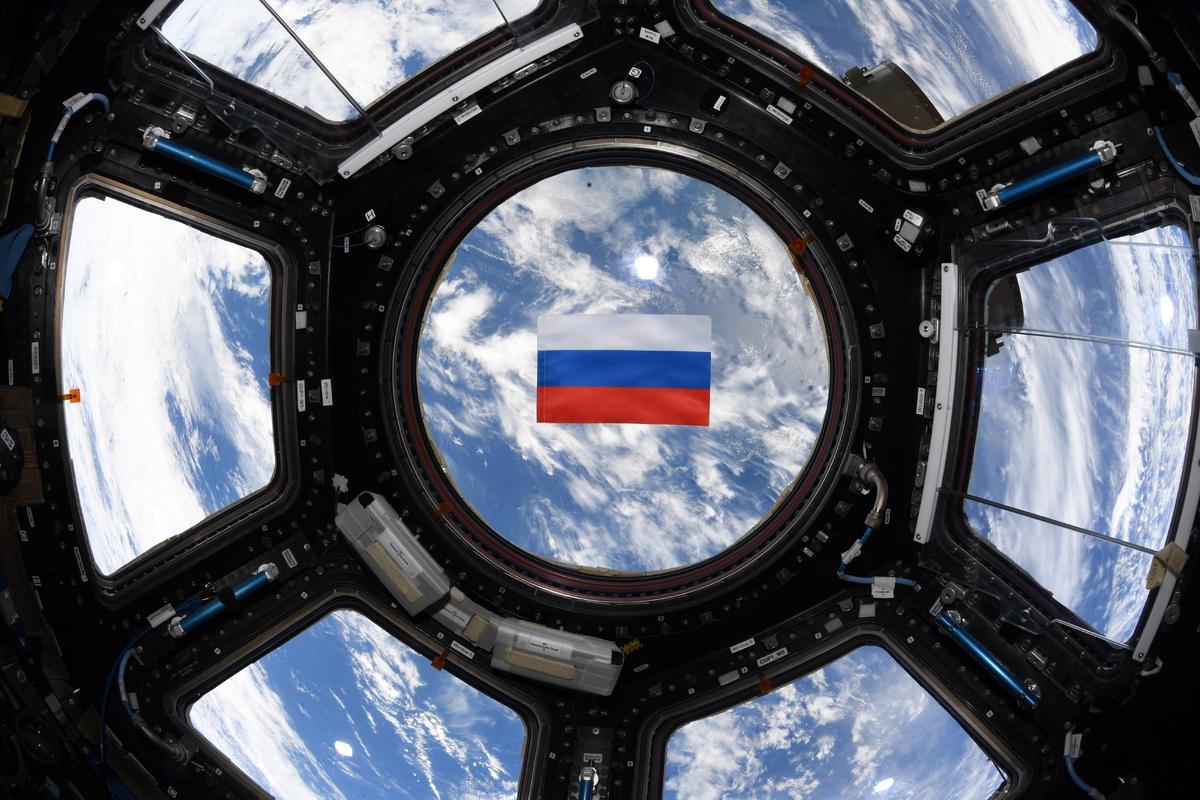
[Sergei Korsakov]:Yes, they asked for wishes. The question of how much they are taken into account is another question. The preliminary design was also sent to the Cosmonaut Training Center before it was approved. The cosmonauts gave a large number of comments and recommendations. And we hope that many of them will be taken into account. First of all, on the ROS, we would like to see large panoramic windows, like, for example, the American, or rather, the Italian Cupola module. So that it would be possible to observe, conduct research, take pictures through them and simply see the windows that look at the starry sky. On the ISS, the windows look at the Earth. But it is also interesting to study the opposite side, take photographs, study constellations, stars, and other planets.
Speaking about the state of the ISS, which is still functioning, according to the data announced by the management of Roscosmos, 80% of the equipment of the Russian segment is operating beyond its service life. NASA also records wear and tear. Is everything as bad with its condition as they say?
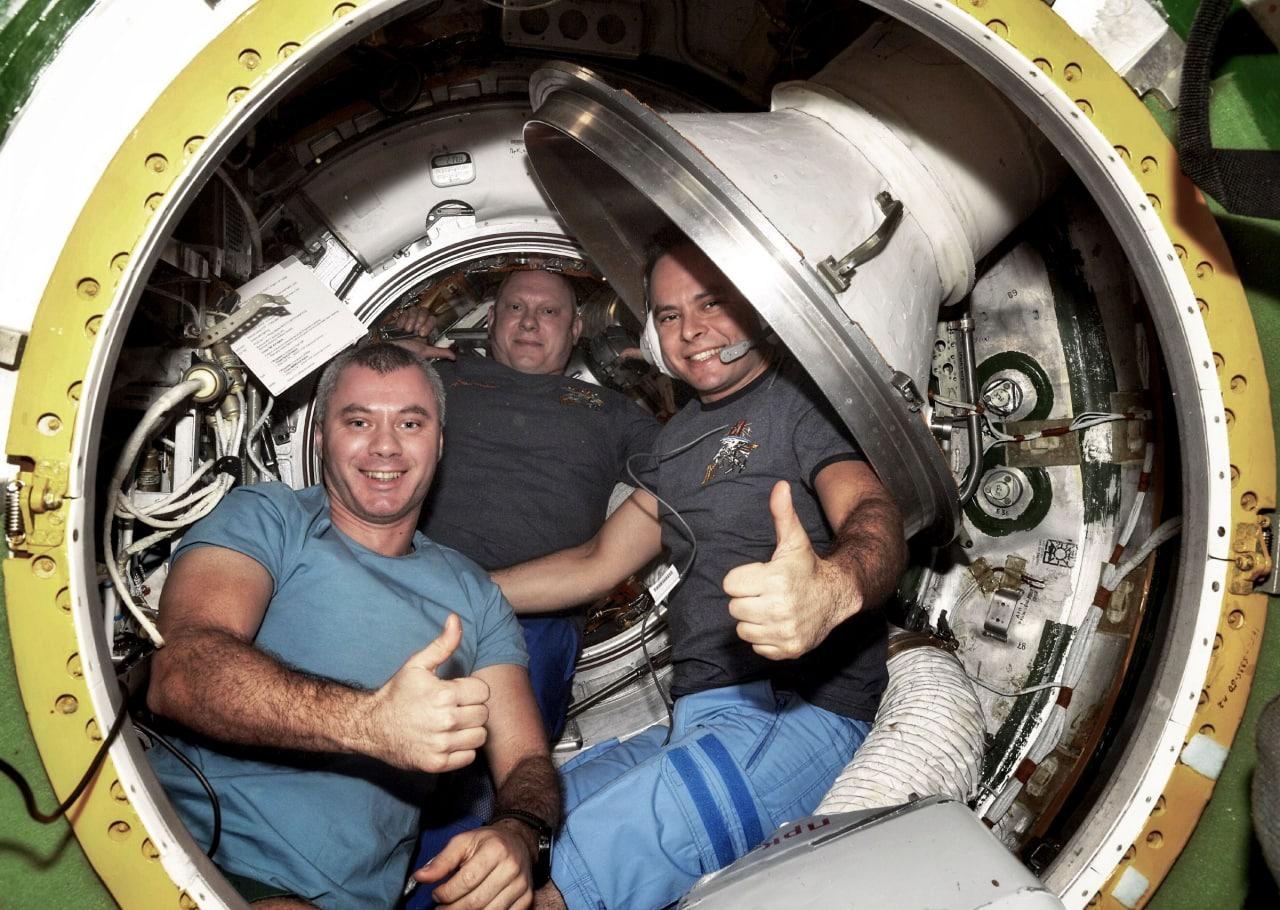
[Sergei Korsakov]:In my opinion, the ISS does not seem very worn out. It is operational and everything is fine. But in addition to the observations of cosmonauts, there are also technical characteristics that can be measured. After all, the station has been in space for about twenty-five years, and there are certain processes that have been going on for many years. For example, in the PRK (intermediate chamber), where cargo ships dock, there is metal fatigue, microcracks appear, which create a certain danger. Therefore, people who study this issue have decided that the station is still wearing out and sooner or later it will need to be replaced. The operation of the ISS has been extended until 2028, and I assume that it may be extended, but not for too long.
During the meeting with students, you noted that your next mission may take place in 2026-2027. Would you like to be more on the ISS or still get into the first crew of cosmonauts who will go to work on the ROS?
[Sergei Korsakov]:Well, there will be no manned flights to the ROS in 2027 yet, and I would like to have time to fly to the ISS again. After all, I have not said goodbye to the ISS forever, and I want to return to my home, where I spent six months.
Then, of course, I really want to take part in the development of the ROS station, its commissioning and become one of the first cosmonauts to fly into its territory.
It takes many cosmonauts years to fulfill their dream and get into space. Personally, it took you ten years to get a specialized education related to the construction of rocket engines at the Bauman Moscow State Technical University, to pass the selection and training in the cosmonaut corps. However, the system is now changing. For example, the first Belarusian cosmonaut Marina Vasilevskaya had to spend much less time on training, and she can be attributed to both cosmonauts and popularizers of science. Do you think that more such popularizers of science are needed in space from different CIS countries who undergo express training and perform micromissions? Or does space still require long-term training?
[Sergei Korsakov]: I believe that, of course, Marina Vasilevskaya had her own tasks, and we had our own tasks. Marina coped with them perfectly, and the amount of training that she was given was enough. Of course, in space we solve certain special tasks, but in general the ideology of the development of cosmonautics is that flights into space become accessible to as many people as possible. So that they are not subject to such strict requirements, and training is reduced.
If we want to develop space, carry out flights to the Moon and other planets, we will need a lot of people. The technology and technologies for training cosmonauts should develop in such a way as to prepare some narrow specialist in their industry for flight in two or three months. Not a universal cosmonaut who controls the ship, performs experiments and some other solutions, but a specialist who will solve other tasks. For example, a physicist, a geologist, or a person of a creative profession - an actor, a blogger. To send him into space, where he performs his tasks, then returns and lives his normal, ordinary life.
If we talk about future personnel for Russian cosmonautics, then in the past few years, much more olympiads, competitions, programs, and accelerators in this direction have been organized for schoolchildren and students. How effective is this, in your opinion, has more young people become interested in space than it was ten or fifteen years ago?
[Sergei Korsakov]:Yes, in my opinion, young people have become more interested in space. And the youth policy of Roscosmos, the popularization of space is traced quite effectively. I can appreciate it. I see that the topic of space always hooks young people, only some time ago no attention was paid to this. The attention of young people was not focused on it, so they were carried away by other things. But if you talk about space and show it to young people, then it inspires, probably more than anything else!
I won't say that everything is perfect yet, but I see that work is underway and we are developing in this direction. I believe that everything will be wonderful with merchandise, online broadcasts, and educational work. I know people who are doing this, they are passionate about this idea, they often have to break through some barriers. But the main thing is that this work is underway and that together we will achieve a good result!
Read materials on the topic:
RSC Energia showed the Russian space tug "Matros" for the ROS
A Russian super-heavy rocket for the Moon and Mars will fly from the Vostochny Cosmodrome
80% of Russian equipment on the ISS has already outlived its service life
Never miss our newsAdd this site to your preferred sources to see us more oftenAdd on Google