In Russia, in 2024, electricity tariffs for mining centers may increase many times over. The Ministry of Energy proposes to increase the cost of kilowatt-hours for such consumers by two to five times. So far, only in those regions where there is a shortage of energy capacity due to the growth in the number of mining farms: for example, in Siberia.
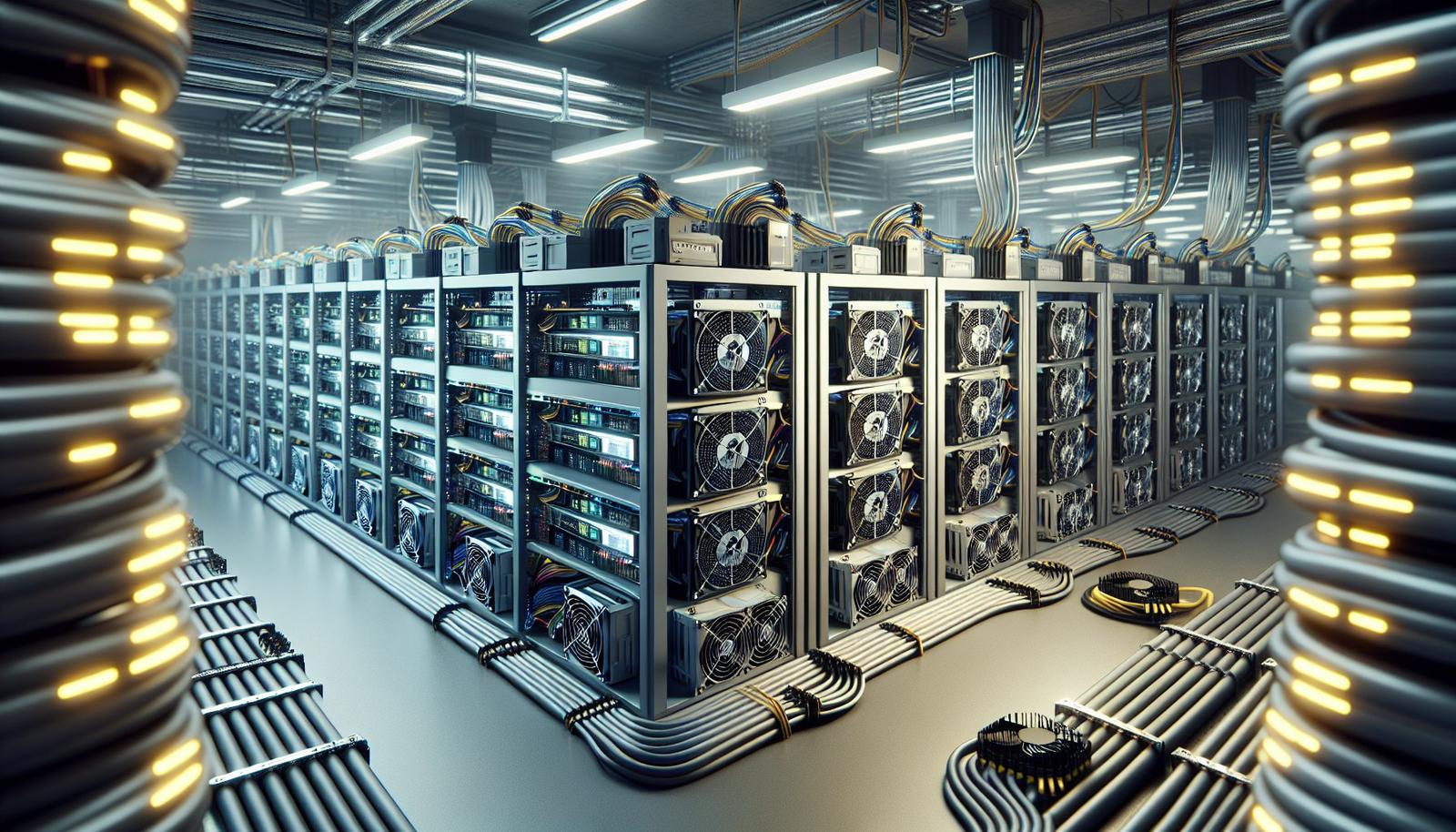
The mining industry began to actively move to Russia after the ban on this activity in China and the introduction of strict restrictions with rising electricity prices for this category of consumers in Kazakhstan. As a result, in the southeast of Siberia - the south of the Irkutsk region, Buryatia and the Trans-Baikal Territory - there was a local shortage of electricity. It is not enough to connect new consumers to the power grid - and this includes not only residential buildings, but also social facilities, factories and enterprises for the development of the region.
If the situation is not changed, then by 2029 the total amount of deficit in these territories may amount to 1.23 GW. The construction of facilities for generating capacities of this volume will cost up to 518.2 billion rubles. Hence the increase in tariffs - this is what the regulators think.
Miners have their own position on this matter. Representatives of the industry believe that such initiatives of the Ministry of Energy discriminate against them as consumers: miners are made into a separate group, for which tariffs will grow selectively.
At the same time, legal data centers for mining were connected to the power grid in accordance with the law with the approval of regulators. According to the mining community, Russian regulators were warned about the future growth in the number of data centers and their energy consumption back in 2020. But no new plans for the development of the power system, taking into account these factors, were adopted. If initiatives to increase tariffs are adopted, then many miners will either leave Siberia and move to other Russian regions, or stop working in Russia altogether.
Never miss our newsAdd this site to your preferred sources to see us more oftenAdd on Google

















