Translated with AI from the Russian original.
Gunsmiths at the Tula Cartridge Plant have developed a 6.02 mm high-penetration cartridge for small arms, suitable for Kalashnikov assault rifles. The information is confirmed by patent materials.
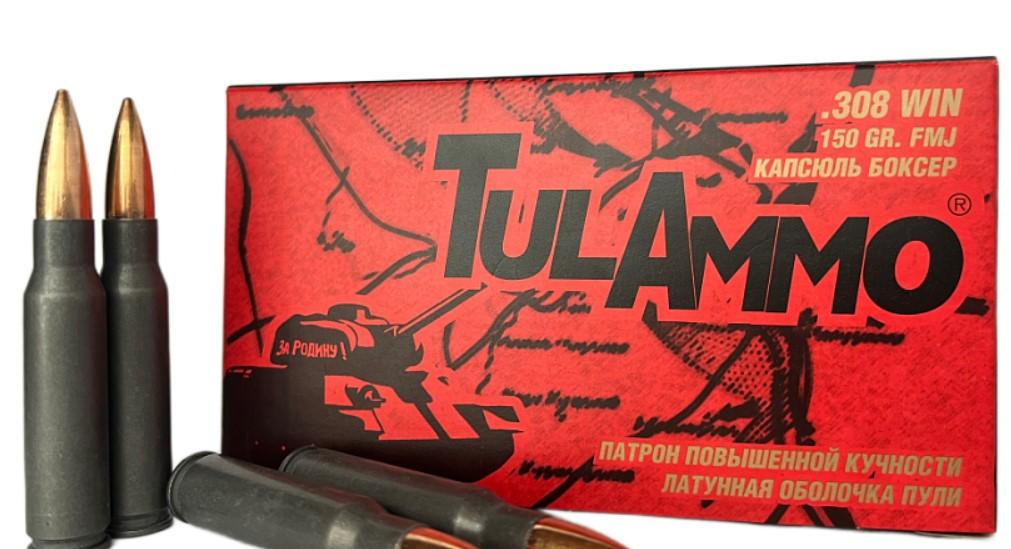
It is specified that the cartridge has improved external ballistic characteristics and an increased range of engagement of individual armor protection elements (body armor). It can be used to fire at an enemy in lightly armored vehicles. At the same time, the recoil impulse of the weapon remains comfortable for the shooter.
The patent indicates that the length of the cartridge varies from 55 mm to 63 mm, and the case has a bottleneck shape. The streamlined bullet has an armor-piercing core. Tula gunsmiths believe that their development will occupy a niche between 5.45 mm and 7.62 mm ammunition.
Specialists conducted a series of experiments, during which the new cartridge pierced a steel plate (grade A3) with a thickness of 8 mm and 10 mm from a distance of 300 m. Such steel is usually used in the manufacture of the body of lightly armored vehicles and body armor. In addition, from a similar distance, the cartridge pierced bulletproof steel (grade 2P) with a thickness of 10 mm in 85% of cases.
Earlier it was reported that Rostec had begun production of cartridges for trap shooting.
Never miss our newsAdd this site to your preferred sources to see us more oftenAdd on Google

















