Translated with AI from the Russian original.
In Russia, the Federal Navigation Information System for monitoring drones and scooters will be launched next year. The development of FNIS belongs to ERA-GLONASS.
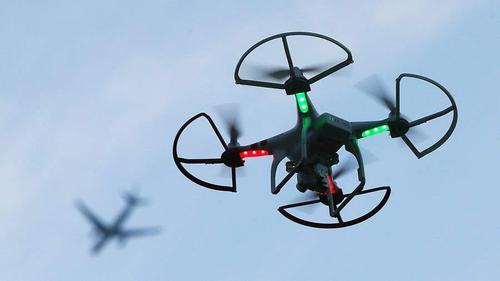
The system was announced in October and has already been tested in Moscow on scooters, covering more than two hundred slow zones. FNIS was introduced to drones and small aircraft in the southern regions of Russia in a closed-sky mode during agricultural work. Flights of aviation equipment, including drones, are prohibited there, but those who were allowed to fly could confirm their route in the system.
FNIS will be provided to Russian regions free of charge, and local authorities will independently set and change speed limits for scooter riders and monitor UAVs. According to various estimates, the unified system will save at least four billion rubles.
Perhaps, FNIS will help control the use of drones in Moscow if the new draft of the Ministry of Economic Development on the EPR for them is adopted. For three years, Muscovites and visitors to the capital under this project will be able to deliver goods by drones, conduct filming, and city services will save money on labor in aviation-chemical and other works.
Never miss our newsAdd this site to your preferred sources to see us more oftenAdd on Google

















