The new Russian "Gonet-M1" satellite communication group will launch its first devices into space as early as 2027. By 2029, a complete orbital group of 28 satellites will be created, which will begin to provide full services to residents of Russia and, possibly, in other friendly countries. It will displace market leaders: the American Iridium and the British Inmarsat.
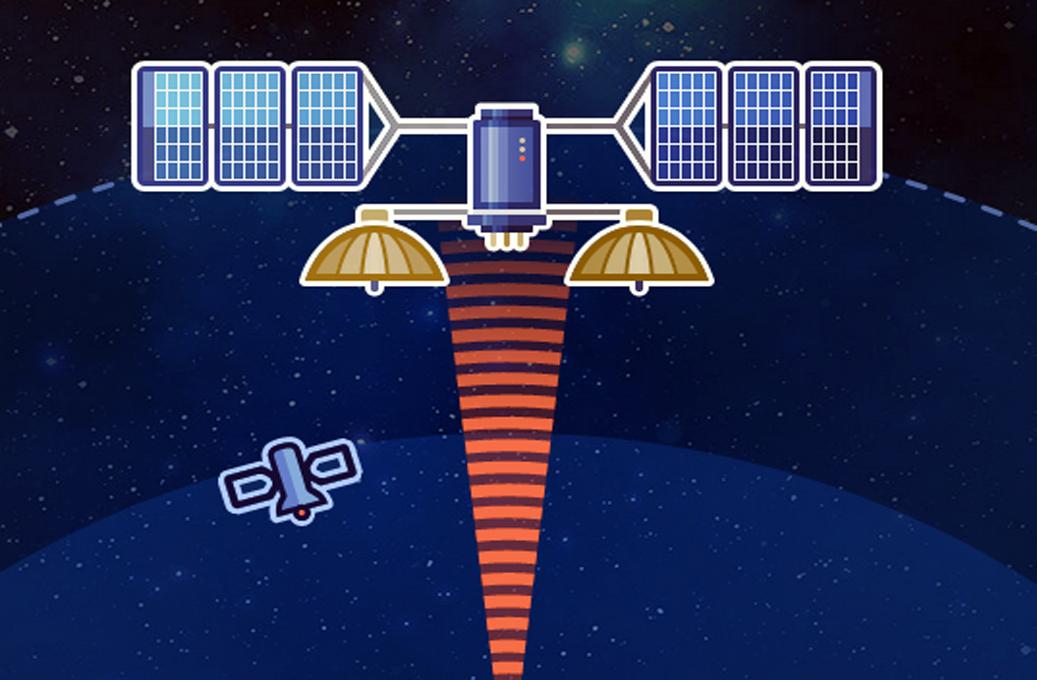
The system will allow monitoring the condition of critical facilities and infrastructure for the Internet of Things. The satellite group will work with trunking communication and with messages from the automated identification system.
"Gonet-M1" will become the successor to the already operating "Gonet" satellite communication system, so the transition to the new service will be seamless for subscribers. Like the usual "Gonets" before that, they will be in a low Earth orbit at 1,500 km.
The new system will become a small part of Russia's satellite construction plans for 6 years: it is planned to launch almost 400 new domestic communication satellites by 2030. At the same time, each of the areas – transport, the Internet of Things, broadband Internet access and mobile satellite service – will have its own orbits.
Never miss our newsAdd this site to your preferred sources to see us more oftenAdd on Google