Translated with AI from the Russian original.
The management of PJSC Tupolev, part of UAC, has announced plans to develop the line of domestic Tu-214 airliners. New workshops with a production line similar to an automobile assembly line are already being laid down and built for them in Kazan. From 2025, the plant will produce ten aircraft per year, and from 2027 - twenty. More than 90 billion rubles will be needed to launch the lines and workshops.
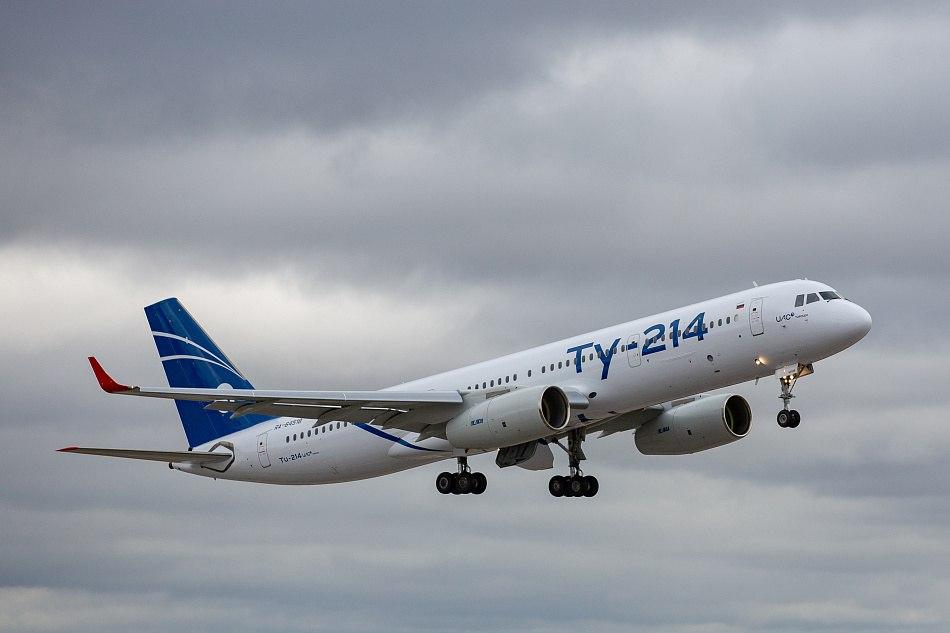
In the new year, Tu-214s will be delivered to Aeroflot in a special configuration. The development of new modifications of the aircraft is also planned.
The first direction is the creation of an aircraft for a two-member crew. It should be tested in 2026. But we will also keep aircraft with two pilots and a flight engineer: the military and special services require a minimum of a three-member crew…
The second direction is the creation of a short version similar to the Tu-204-300. It could be an effective aircraft for long-haul flights [distances, - ed. note] such as Moscow - Vladivostok…
And the third direction is a cargo aircraft. We are launching this initiative proactively - we want to have something to show when the time comes. The freighter is potentially in high demand, for example, we have an application from one airline that would take 10 aircraft right now.
Korolev also did not rule out military modifications for the Tu-214, noting that "the aircraft has such a future."
Never miss our newsAdd this site to your preferred sources to see us more oftenAdd on Google

















