Translated with AI from the Russian original.
In Bashkortostan, human organs and tissues are beginning to be grown artificially in a new large laboratory of bioengineering and bioprinting. It opens in December and will become part of the new Interuniversity Campus.
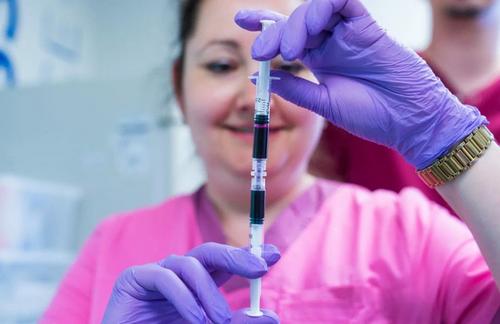
The bioengineering and bioprinting laboratory opened this spring at BSMU in more modest spaces. Scientists are assisted by graduate students of the Department of Urology, undergraduates, second and third year students majoring in Biology.
They create biomimetic - similar to natural - human organs and tissues. In particular, scientists are already working on a bioengineered cornea of the eye and are busy selecting cells and gels to create tissue-engineered cartilage.
The bioequivalent is as close as possible to the human analogue in structure and function. It can be used for restoration or regeneration, testing potential drugs (drug candidates) and studying the mechanisms of understanding the pathogenesis of diseases. This will make technology and medicines more accessible to ordinary people.
Never miss our newsAdd this site to your preferred sources to see us more oftenAdd on Google

















