Off the coast of Sakhalin, the coast of Korsakov is being cleared of marine scrap metal. Sunken vessels are being disposed of for the first time using a unique Russian laser mobile complex.
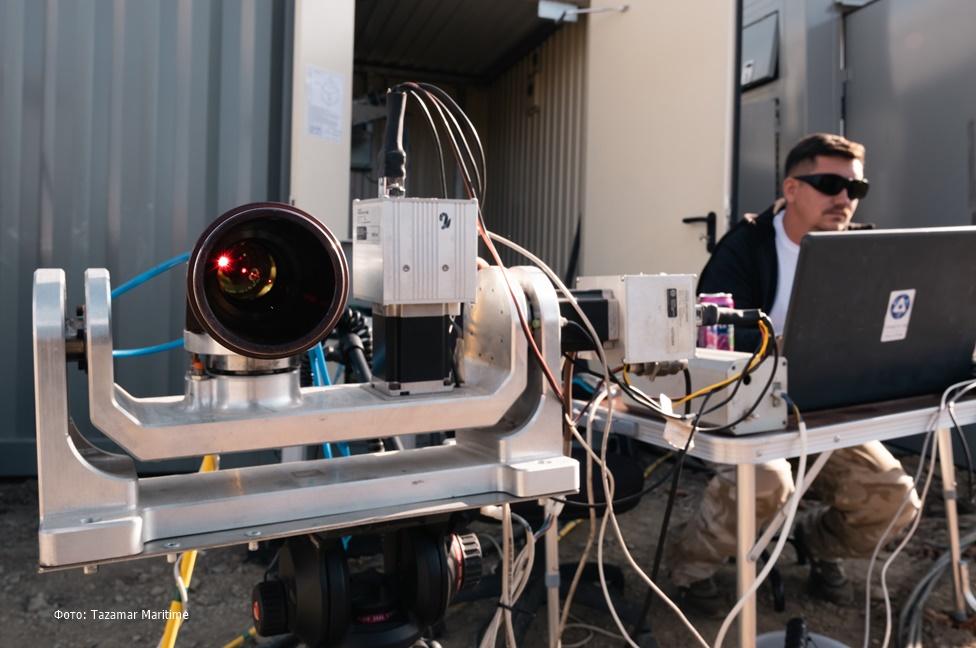
The development of the Troitsk Institute for Innovation and Fusion Research (JSC "SRC RF TRINITI", part of the Rosatom State Corporation) has no analogues in Russia.
The use of the remote separation laser cutting method is primarily due to safety - the container with the laser complex and personnel are located at a distance of up to 100 meters from the object. The mobile laser complex can be used to solve a wide range of tasks. It has no analogues on the market and allows remote laser cutting during the disposal of thick-walled structures, as well as eliminating man-made accidents and providing operational special technological work.
The first ship near Korsakov has already begun to be cut under water 50 meters from the shore. After the sunken vessel is cut into large pieces, they are removed to land. Laser cutting continues, and the fragments of the vessel are then sent for disposal.
In the next two years, mobile laser technology will allow the disposal of another 16 sunken Russian ships.
Never miss our newsAdd this site to your preferred sources to see us more oftenAdd on Google

















