Translated with AI from the Russian original.
Scientists from two Russian universities – the Russian State Agrarian University (RSAU-MTAA) and the Belgorod State National Research University (NRU BelSU) – have created new types of steel that will be in demand in industry and agriculture.
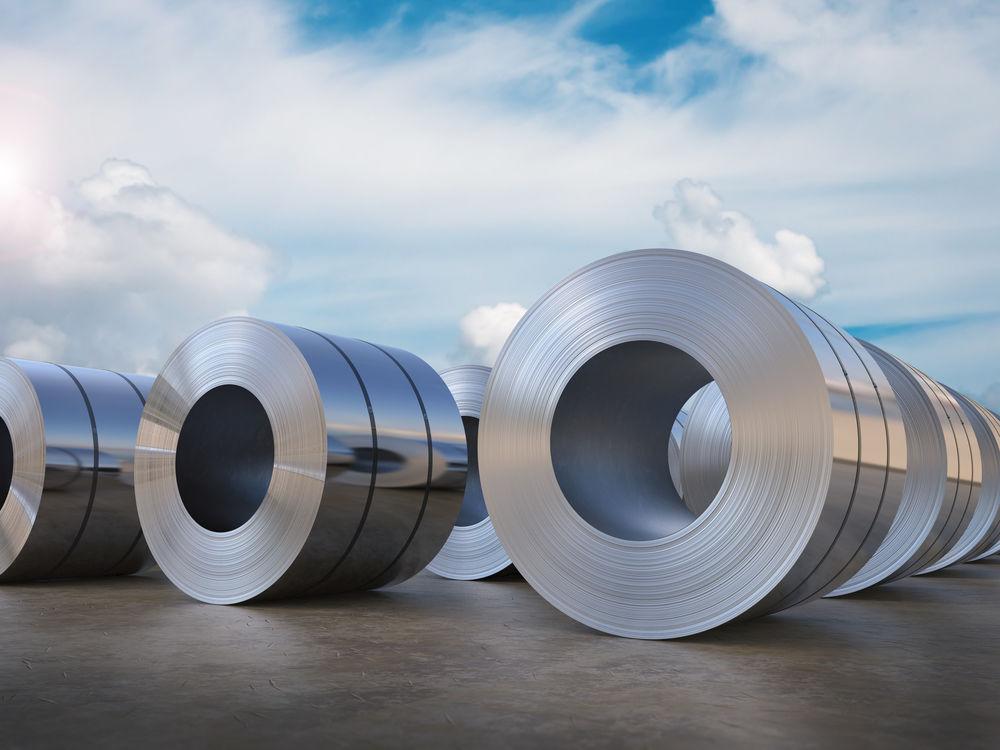
In Moscow, a high-strength steel for the agricultural sector has been developed; this steel must be strong and, at the same time, ductile, with high impact strength. The required parameters were achieved by adding molybdenum, niobium, and titanium, as well as through a special mode of thermomechanical treatment (the steel is first heated to a temperature of 840–900 °C, then plastic deformation occurs with a compression of 15–20%, and then the alloy is cooled in water, followed by low tempering at a temperature of 200 °C). It is noted that the steel obtained by this method is 15–20% cheaper than foreign analogues.
The steel for thermal power plant turbines developed by scientists at NRU BelSU is also comparable to foreign steels (superalloys such as Inconel), but is cheaper. It was obtained by changing the composition of the base commercial steel P92, by adding more boron and simultaneously reducing the nitrogen content. It is noted that the new material will make it possible to abandon foreign equipment, and one power plant will be able to save about five million rubles per day: an alloy that allows operation at elevated superheated steam temperatures reduces the amount of fuel burned, which results in such savings.
Never miss our newsAdd this site to your preferred sources to see us more oftenAdd on Google

















