Selecting treatment for a patient even before a visit to the doctor is a practice that is gradually becoming the norm. According to Yegor Kashka, COO of CREDO.TECH, such opportunities have emerged thanks to big data and artificial intelligence: systems analyze millions of cases and offer treatment options in advance. As a result, medicine is moving away from the "trial and error" method and is increasingly relying on precise calculations for a specific patient.
How the Patient's "Digital Footprint" Appeared
Even ten years ago, medical information was fragmented. Some was stored in paper archives, some in different clinics, and some in separate files. It was almost impossible to put it all together.
This fragmentation remained one of the main barriers to the development of a personalized approach in medicine for a long time.
Today the situation has changed. Almost all medical organizations in the country are connected to a unified healthcare information system, where hundreds of millions of records are accumulated. This is a "live" database that is constantly updated and used for analysis.
The expert explained that such a volume of data is important, especially in complex cases.
The system allows you to form representative cohorts even for rare diseases. When we see thousands of cases instead of a dozen, patterns begin to speak for themselves, this is the foundation for any computational models, without which algorithms would remain blind experimenters.
Where AI is Already Really Working
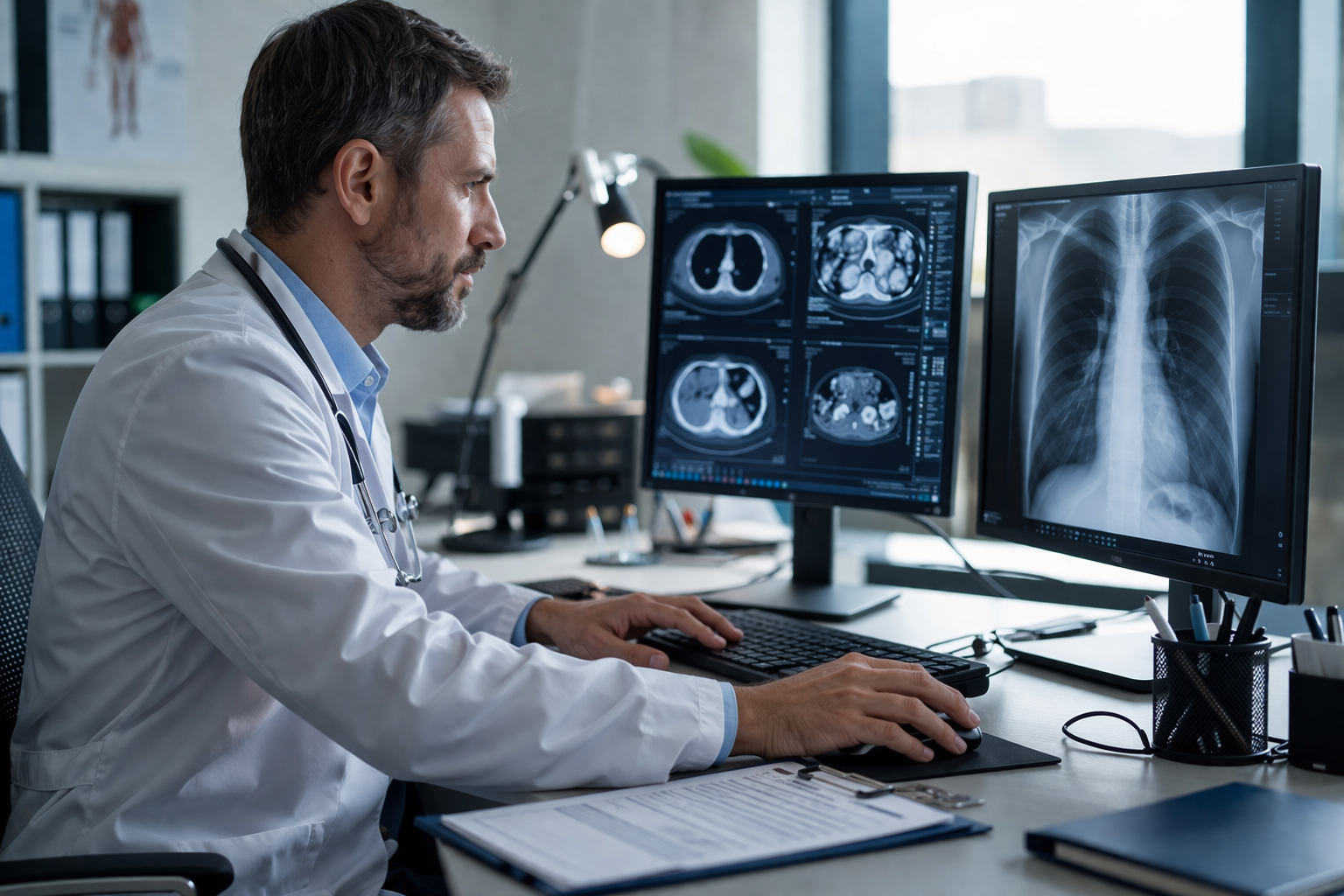
The most obvious example is radiation diagnostics. A radiologist views dozens of images per shift and may miss subtle changes. However, the algorithm is not prone to fatigue, as it compares the new image with millions of previous ones and highlights suspicious areas.
In Moscow, in 2025, artificial intelligence-based systems helped process more than 14.4 million radiological examinations, and by the beginning of 2026, more than 17 million.
Today, such services are used in 43 clinical areas and help identify signs of a wide range of diseases, from oncology to osteoporosis.
At the same time, the specialist emphasized that the algorithm does not make a diagnosis, but works as a "second opinion". The final decision remains with the doctor.

What is Changing for the Doctor and Patient Due to Technology
Previously, the doctor had to literally collect information manually: tests could be in one system, images in another, and discharge summaries in a third.
However, technology allows you to pull data into a single window, where the system forms a preliminary picture of the patient's condition in advance. This allows you to make decisions faster, reduces the burden on the doctor, reduces the likelihood of errors and reduces the risk of burnout among specialists, the expert is convinced.
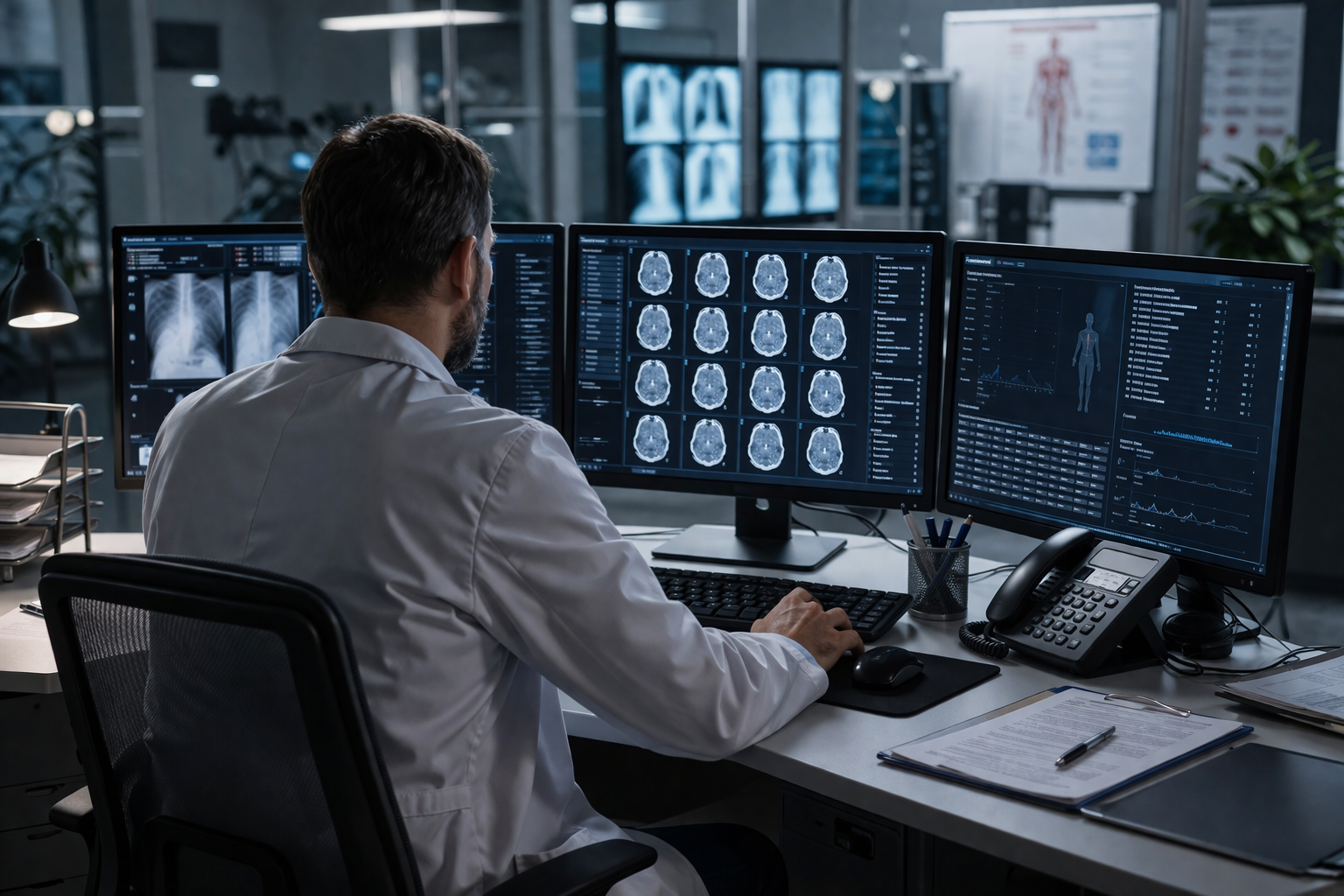
The effect of such changes is also noticeable in practice. For example, preliminary marking of computed tomography reduces interpretation time by approximately 30%.
In a real healthcare system, there is a very tangible result behind it. When the office sees more patients without losing quality, queues move faster, appointments are written more accurately, the system stops working in fire brigade mode and switches to planned support.
Genomics Makes Treatment Individual
Genetics has become a separate area of personalized medicine. Until recently, full genome sequencing was an expensive and lengthy procedure available to a limited number of patients, but today the situation has changed significantly.
By October 2025, a database of 100 thousand sequenced genomes had already been formed in Russia. At the same time, the cost of analysis has decreased: on average, it is about 80–100 thousand rubles, depending on the parameters of the study.
When a doctor has access to a patient's genetic passport, he sees not just a set of symptoms, but a biological map. He understands why one drug gives side effects, while another works quietly and accurately, he knows what hereditary risks to prepare for in advance.
Will AI Replace a Doctor
As technology develops, the question of whether artificial intelligence can replace a doctor is increasingly being raised. However, in practice, it is not about replacement, but about the redistribution of tasks, explained Yegor Kashka.

Algorithms take over routine operations, including data search, image analysis and the formation of preliminary conclusions, while the doctor focuses on decision-making and interaction with the patient.
Read more on the topic:
Never miss our newsAdd this site to your preferred sources to see us more oftenAdd on Google

















