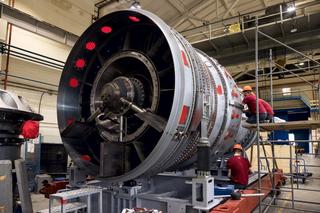
Specialists from the Kolomna Plant of TMH spoke about the production of camshafts — a key element of the gas distribution mechanism of diesel engines. The responsible section is located in mechanical workshop No. 63, where blanks are transformed into high-precision parts that synchronize the operation of valves and pistons.
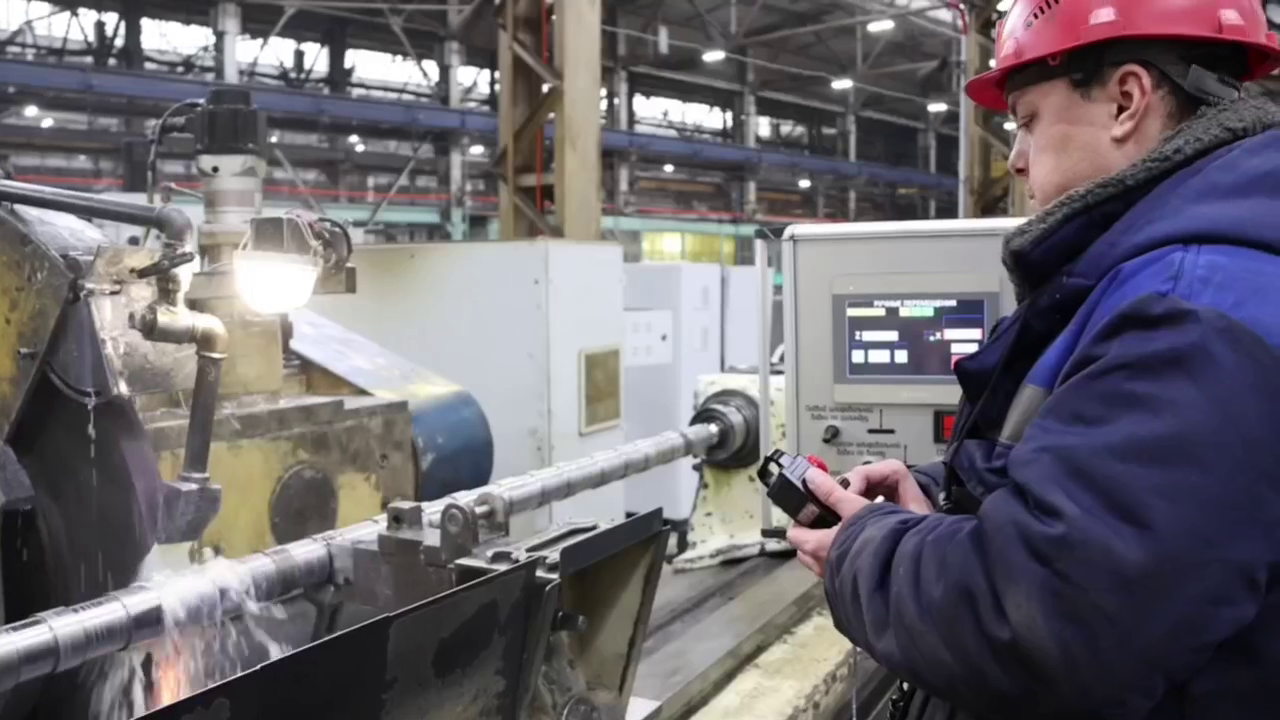
The process begins with rough machining: the blank is turned on lathes, removing the main layer of metal. Then the part is sent to the forging and pressing shop for hardening — there the steel acquires the necessary strength. After heat treatment, the shaft returns to workshop No. 63, where it is turned to finished dimensions, ground, threaded, the ends are processed, and keyways are milled.
Special attention is paid to quality control. Before assembly, each part is checked by the magnetic method: the surface is covered with an emulsion with magnetic powder, the shaft is rotated and inspected for cracks and defects. If no violations are detected, the master marks the location for the installation of the distribution washer.
Assembly requires precision and adherence to temperature conditions. First, fastening nuts are screwed onto the shaft, then the drive sleeve is installed. It is heated in an oven to 180–200 degrees and kept for about an hour, after which it is immediately mounted on the shaft — as it cools, the metal tightly compresses the seat. Next, the cams are mounted one by one: first the fuel cam, then the intake and exhaust gas cams, followed by the intermediate sleeve. The sequence is repeated depending on the number of cylinders of the future diesel engine.
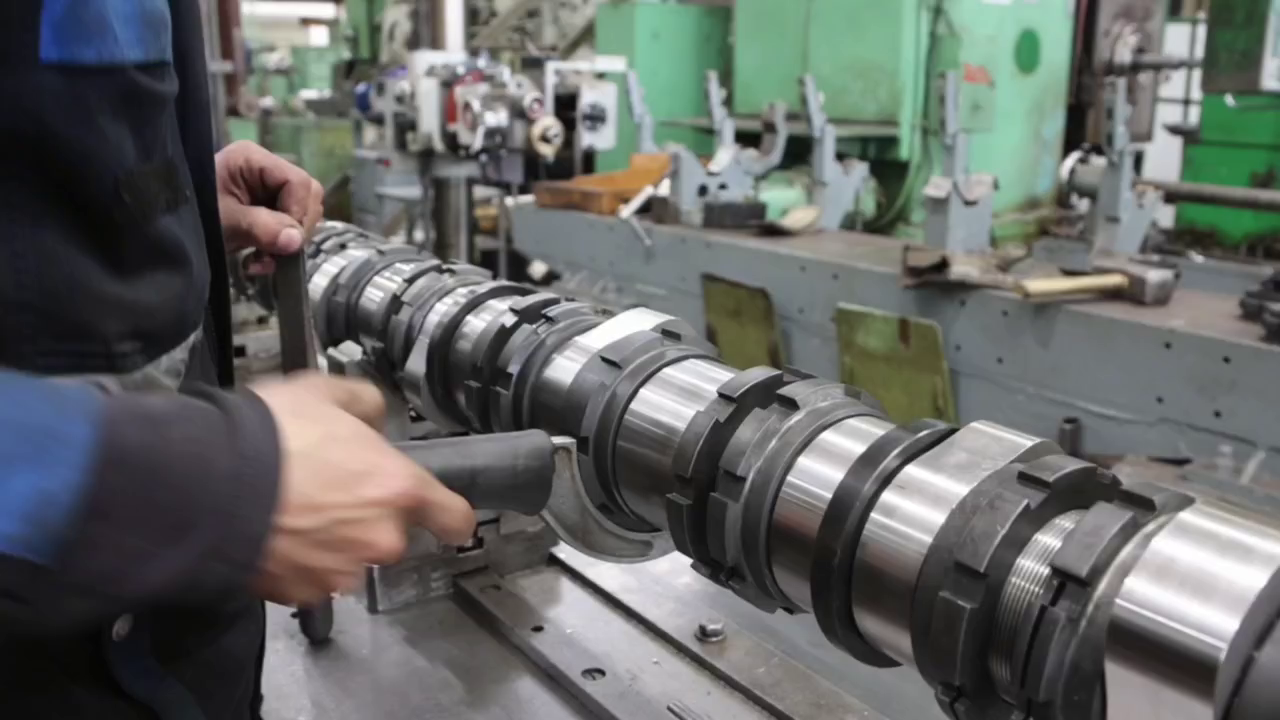
The final stage is acceptance by the technical control department. Engineers check the parallelism of the cams, the runout of the necks under the sleeves, and the angles of rotation.
The plant emphasized that it is the angles that determine the accuracy of the mutual arrangement of the cams relative to the crankshaft: any deviation violates the gas distribution phases and can lead to unstable engine operation.
After successful inspection, the finished camshafts are sent to the machine assembly shop, where they will take their place in the power unit.
Read more on the topic:
Never miss our newsAdd this site to your preferred sources to see us more oftenAdd on Google