Despite political disagreements, Russia and the United States continue to cooperate in the space sector. In January 2025, itbecame known that Roscosmos and NASA extended the agreement on cross-flights, allowing astronauts to fly to the ISS on Russian Soyuz spacecraft, and cosmonauts on American shuttles.
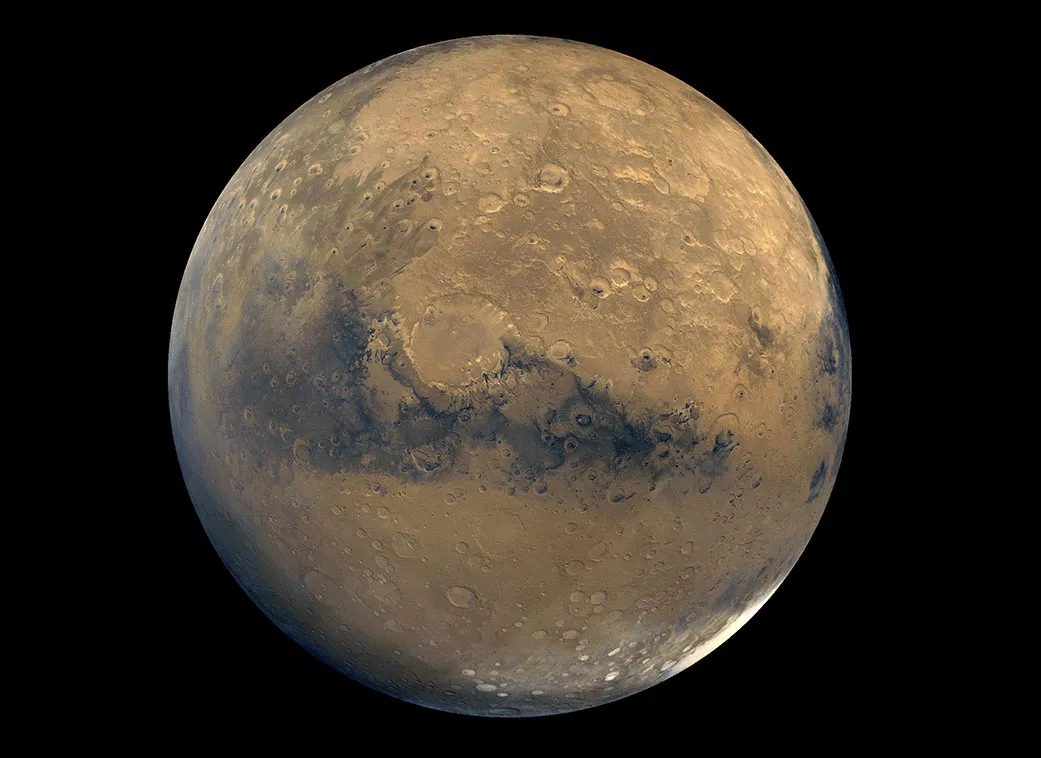
But a much more ambitious goal is Mars. And each country has its own plans here.
<b>Race to the Red Planet</b>
On January 20, 2025, on the day of his inauguration, US President Donald Trump announced that American astronauts would plant a flag on Mars. NASA is actively working on this task, and Elon Musk's SpaceX is developing the super-heavy Starship rocket, which should deliver people to the Red Planet.
Russia is also not standing aside. After an unsuccessful mission to the satellite of Mars (Phobos-Grunt in 2011), Roscosmos is preparinga new attempt - the Boomerang project. It involves delivering soil from Phobos to Earth after 2030.
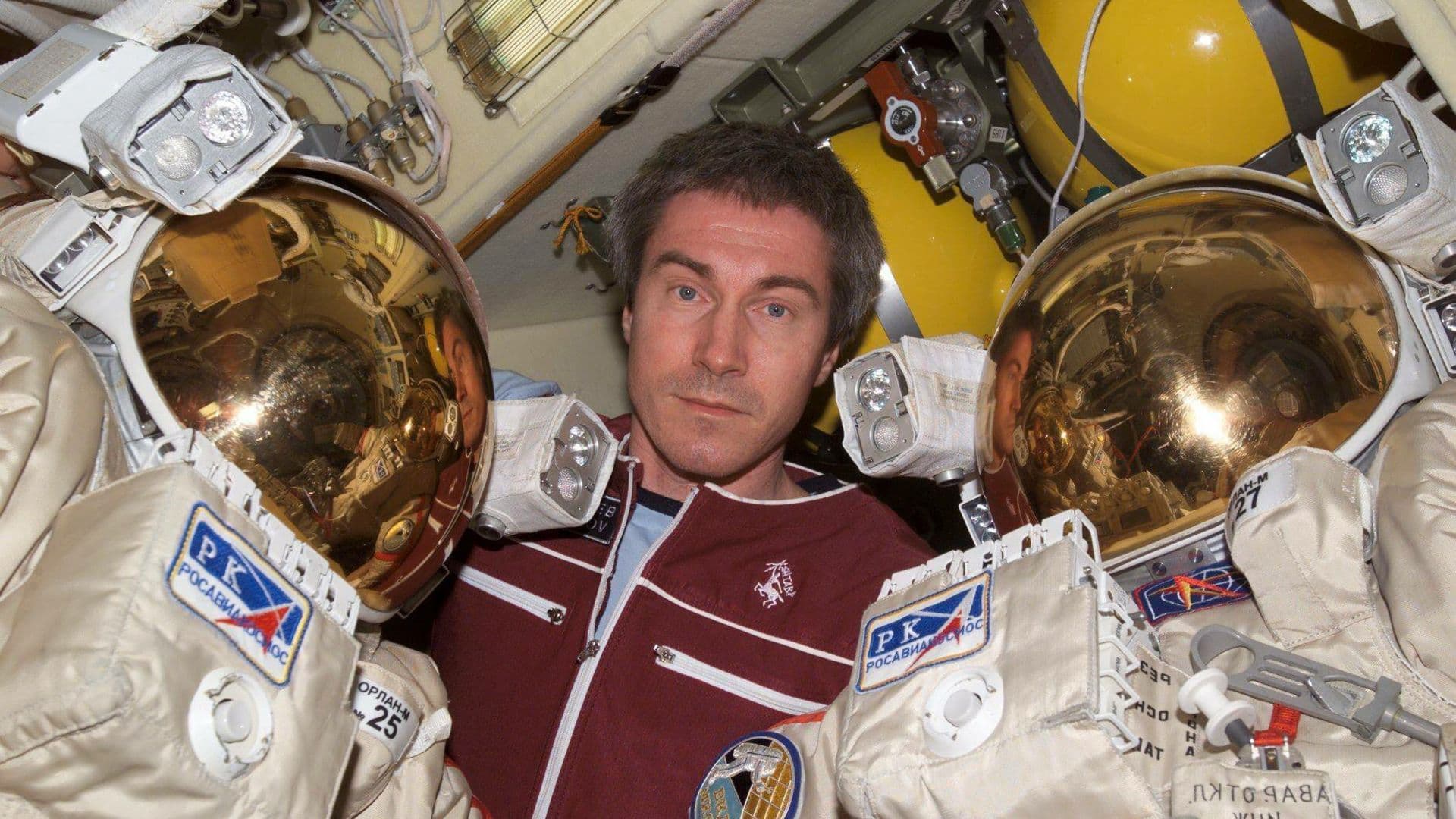
The next stage will be a flight to Mars. A flight to the Moon will be a preparatory mission. The experience that we gain in flights to the Moon will be used in flights to Mars.
Krikalev emphasized that Russia is now creating a spacecraft for flights beyond Earth's orbit - to the Moon or to the Red Planet. At the same time, the exploration of the Moon will begin with automatic devices.
The program is structured so that the resumption of lunar exploration will begin with automatic devices. In some parts, we will repeat what we did at the previous stage. These devices will not just explore the Moon for scientific purposes, they will be the basis for preparing for a manned expedition. We plan future missions as a combination of robotic and manned vehicles.
According to Krikalev, after the first landings and research, the creation of lunar bases for a more thorough study of the satellite will begin. At the same time, he believes that a flight to Mars could become an international project and take place by the end of the 2030s.
<b>How can Russia help in the Martian mission?</b>
Although the United States is leading in the development of spacecraft, Russia has technologies that can speed up the path to Mars.
<b>1. Engines: power and efficiency</b>
SpaceX uses Raptor-2 methane engines, but Russia has its own alternatives:
- РД-171МВ - the most powerful liquid engine in the world (thrust exceeds 800 tons), but it runs on kerosene and is less economical in deep space.
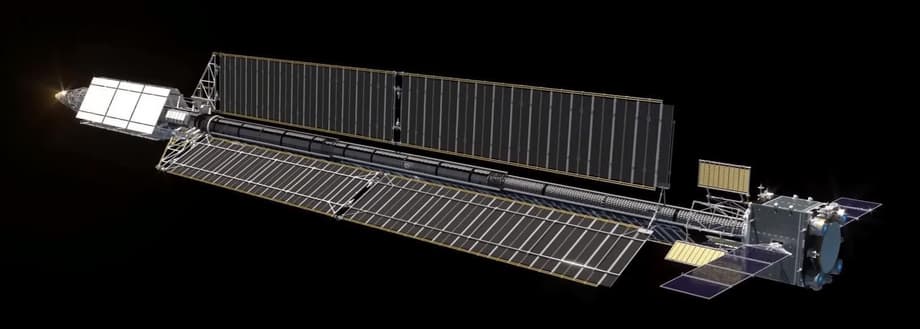
- Ion engines (Zeus project) - give many times more specific impulse than chemical ones, but require a nuclear reactor. If they are refined, the flight to Mars can be reduced from 9 to 1-2 months.
So far, Starship looks preferable, but Russian technologies can complement American developments.
<b>2. Spacesuits: reliability, time-tested</b>
NASA is experiencing problems with new spacesuits - their development has been delayed so much that this has become one of the reasons for postponing the Artemis-3 lunar mission.
Arecent incident confirmed the vulnerability of American spacesuits: during a spacewalk, astronauts Anne McClain and Nicole Ayers discovered a cut on the glove of the EMU (Extravehicular Mobility Unit) spacesuit. Damage to the Turtleskin protective layer on Anne McClain's spacesuit, fortunately, did not create a threat, but again raised the question of the reliability of the equipment.
But Russia has advantages:
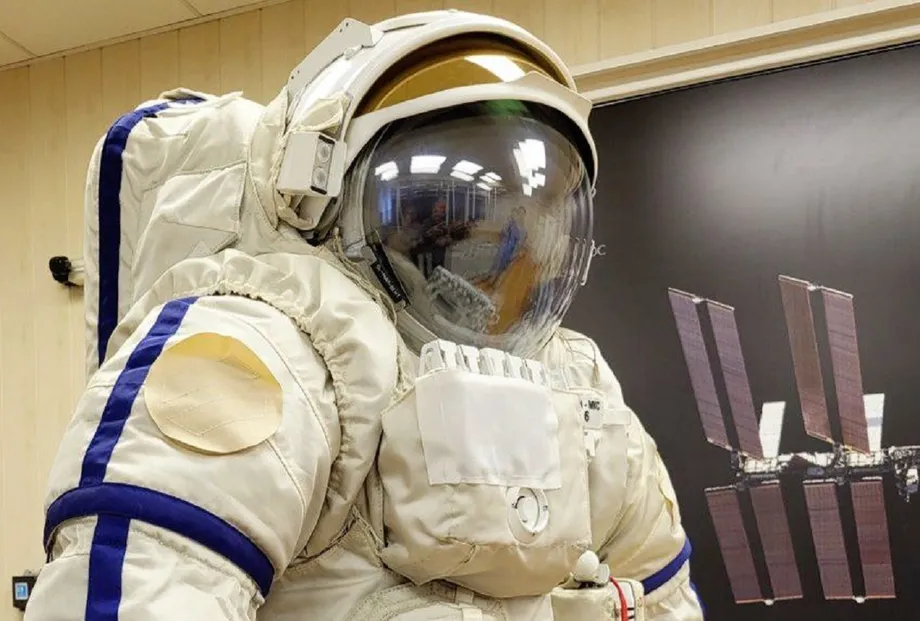
Russian spacesuits have a long history, confirming their reliability. Modern "Orlan-MKS" are direct descendants of the Soviet lunar spacesuit "Krechet". Their key features:
- Autonomy: up to 7 hours of operation without refueling with oxygen (up to 20 hours with replenishment of resources)
- Ease of maintenance: all life support systems are located in the "door" on the back (oxygen, air purification, thermoregulation)
- Safe pressure: 300 mm Hg. st. (pure oxygen) - the optimal balance between protection against decompression and mobility
- Proven design: since 2001, Orlan-MKS spacesuits have been used more than 150 times on the ISS
Due to the lower pressure, they make the spacesuit softer. But this entails a whole night in an oxygen environment, so that there are no decompression disorders. They spend the night in the airlock [airlock, approx. ed. www1.ru] with oxygen, that is, they do desaturation. This is another "joy". Due to the higher pressure, we have higher rigidity, but we only need an hour of desaturation before going out.
Unlike Russian solutions, the new SpaceX spacesuit (EVA suit) uses a revolutionary approach:
- All life support systems are supplied through the "umbilical cord" (cable)
- Pressure 260 mm Hg. st. with automatic adjustment
- Individual tailoring for each astronaut
- Improved joint mobility
However, according to Mikhail Kornienko, there is a nuance:
Maybe the idea itself is not bad, but this cable will greatly restrict the astronaut's movements outside the board. Imagine, we move along the entire length of the Russian segment of the station. This is about forty meters. And this cable, will it stretch? And if the astronaut went to the other side? The cable will wrap around the module.
So far, Orlan remains the only spacesuit tested in long-term complex operations. But future missions to the Moon and Mars will require new solutions - and here the experience of Russian developers may be invaluable.
3. Experience of long flights
Russian cosmonauts are record holders for time in space:
- Sergey Krikalev spent803 days in orbit for 6 flights in total.
- Gennady Padalka -878 days in total for several missions.
- Oleg Kononenko -1110 days in total in orbit.
This experience is critical for a Martian expedition, which will take approximately1.5 to 3 years.
<b>4. Space greenhouses</b>
Plants are already being grown on the ISS, but more efficient systems are needed for Mars. Russia experimented with this back at the Mir station, where quails successfully hatched. Startup435nm (the name refers to the optimal wavelength for photosynthesis) is a promising Russian project that develops compact bioreactors for growing microalgae in extreme conditions. With the support of the Scientific and Technical Guild "Rubezhi Nauki", the team is exploring how to maximize biomass production with minimal energy and space costs.

What is the peculiarity of the project?
- Special LEDs with a precisely tuned spectrum are used (the same 435 nm), which accelerates the growth of algae;
- Aclosed system with water and nutrient recirculation is being developed;
- The compact size of the installation allows it to be integrated even into cramped spacecraft.
If the experiments are successful, such bioreactors will not only be able to provide the crew with oxygen, but also become a source of nutrients for long interplanetary flights.
This direction is especially relevant in light of plans to create lunar bases and expeditions to Mars. After all, as the experience of the ISS has shown, fresh greens are not just a pleasant addition to the diet of astronauts, but also an important psychological factor during long missions.
While the project is at the testing stage, its developers are confident that such technologies will become an integral part of future interplanetary ships and extraterrestrial stations.
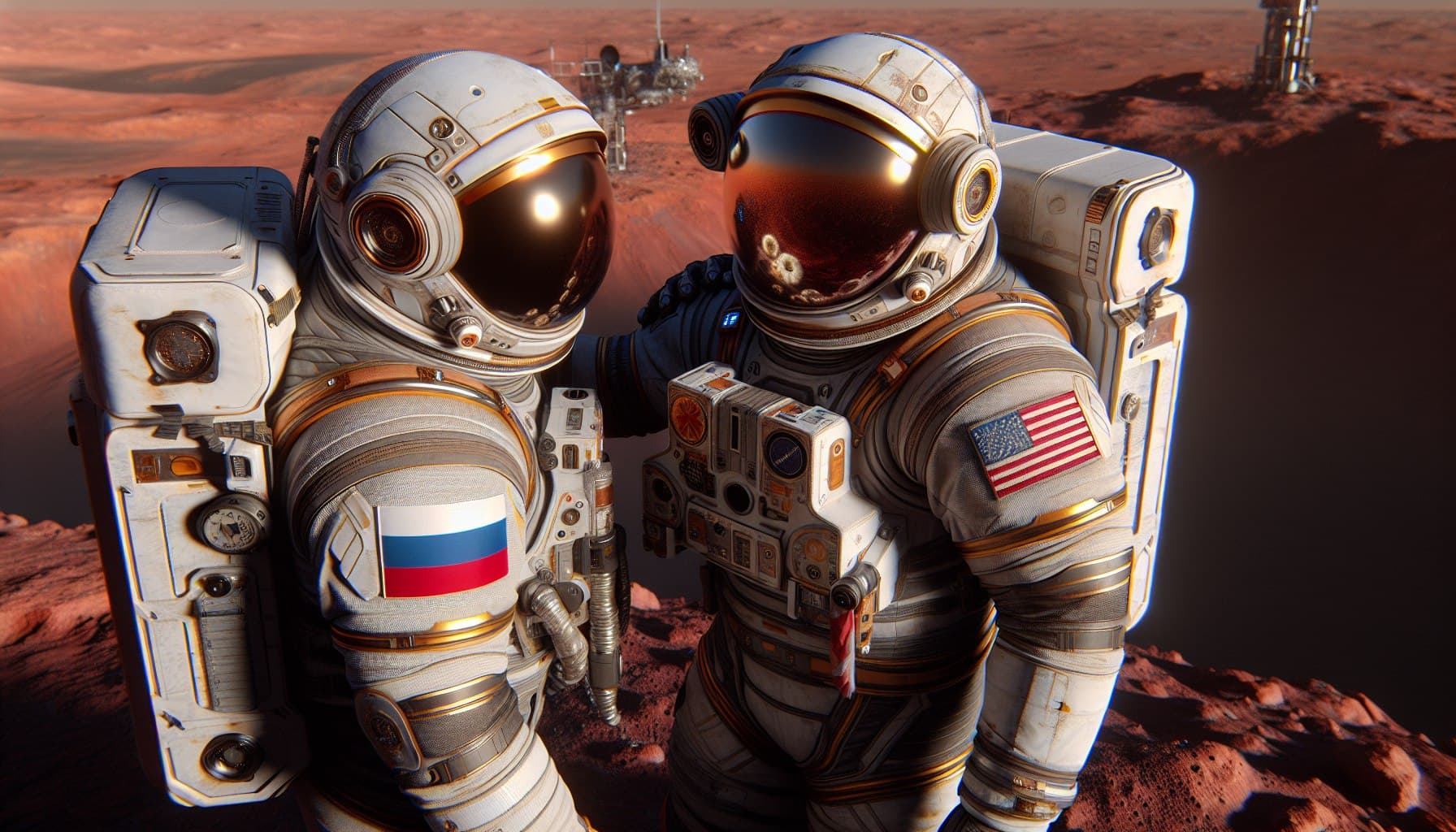
Although Russia is unlikely to be able to send its own people to Mars on its own in the coming years, its technologies and many years of experience can become an important part of an international mission. Nuclear propulsion systems, reliable spacesuits, unique knowledge about the long-term stay of humans in space and promising biological systems - all this can make the dream of conquering the Red Planet a reality.
The history of cosmonautics has repeatedly proved that even in conditions of competition, joint projects lead to breakthroughs. The exploration of Mars is too ambitious a task for one country. But by joining forces, humanity can achieve this goal in the foreseeable future. The main thing is to remember that space remains a territory of cooperation, where scientific progress is more important than political disagreements.
Read more materials on the topic:
Tank in space: what is known about the new Orlan-MKS spacesuit No. 6?
Now on home

Start of deliveries scheduled for 2027

Over 51,000 new motorcycles were sold in Russia in 2025

The car will take at least a year to assemble

The application's audience has reached 20 million users

The model will be included in the list of cars for taxis, price - from 2.25 million rubles

All parking lots of the "Administrator of the Moscow Parking Space" are connected to the service

The cars will be supplied to the Moscow Transport Service Directorate
Deliveries to India may begin in 2028
The technology provides automated search for all types of defects in power units
The plane flew 500 km, accelerating to 425 km/h

The plant stated that the information about the termination of purchases for models 6 and 8 is not true
Scientists are using the "Ekran-M" installation
Articles
-
Russian An-124 "Ruslan" Stuck in Canada for 4 Years and Accrues Millions in Fines
26 Jan 2026
-
Coaxial Propellers: How Counter-Rotation Increases Turboprop Engine Efficiency
25 Jan 2026
-
Kazan Aviation Plant Breaks Old System: Tu-214 to be Assembled Like Cars
25 Jan 2026
-
How Engineers and Technicians Are Paid Today in the Russian Aviation Industry: An Overview with Figures
24 Jan 2026