Translated with AI from the Russian original.
Specialists from NUST MISIS have created a method for additive manufacturing of tungsten heaters, which significantly reduces costs and speeds up the process compared to traditional casting and assembly methods.
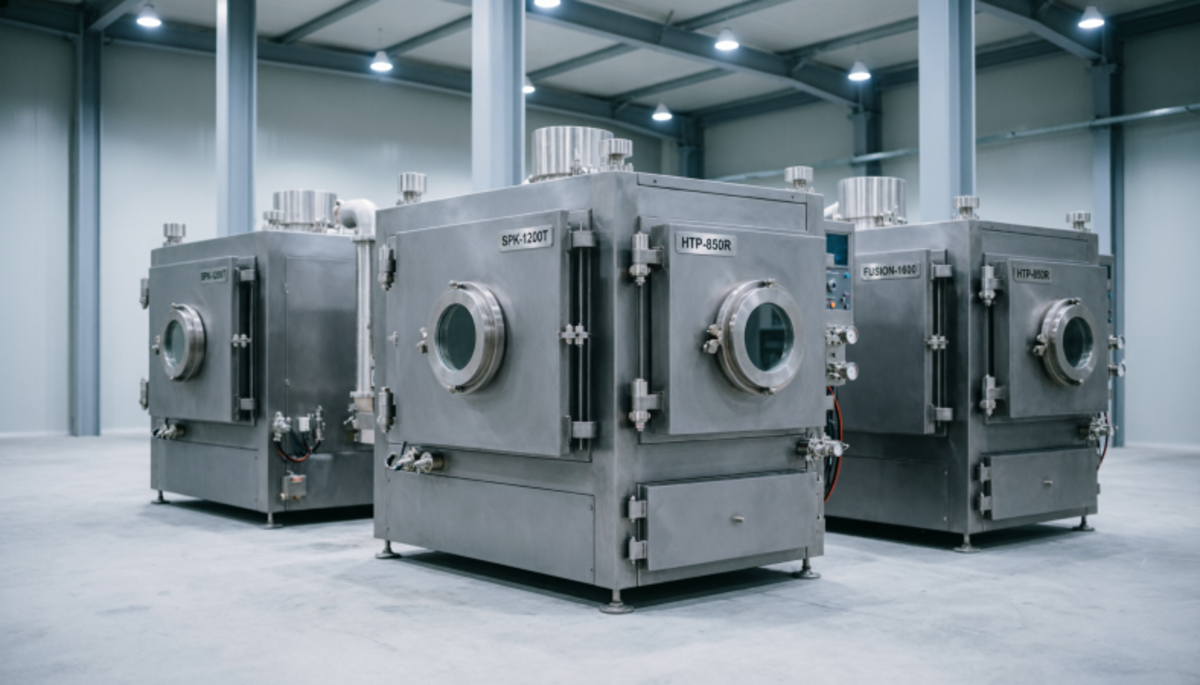
Tungsten heaters are key elements for equipment operating in extreme conditions. They withstand temperatures from 1500 to 3000 degrees. Such parts are placed in vacuum furnaces for sintering powders, heat treatment of metals, growing crystals, and melting refractory alloys. They are essential for high-temperature metallurgy and the synthesis of superhard compounds.
Previously, the manufacture of such heaters was a complex and costly process. Now, university specialists have patented a 3D printing method that creates solid products with a complex multilayer structure without the need for additional tooling.
Classical production requires several stages: from casting to machining. This entails high costs for equipment and labor of specialists. In addition, manual assembly increases the risk of errors affecting the quality of the finished element.
The scientists managed to make the heater solid. This eliminated the need for additional tooling and fitting of parts. Properly selected fusion modes allowed obtaining a high-quality product immediately after printing.
To create the heaters, the researchers used pure tungsten powder. The particle size was tens of micrometers. Tungsten is a refractory metal; it melts at a temperature of about 3422 degrees, so the printing process required powerful radiation and precise adjustment.
In the selective laser melting installation, the powder was locally melted in an argon atmosphere. The product was formed layer by layer based on a computer 3D model. Thanks to this, it was possible to obtain a unique structure that is difficult to implement by other methods.
Read more on the topic:
Never miss our newsAdd this site to your preferred sources to see us more oftenAdd on Google

















