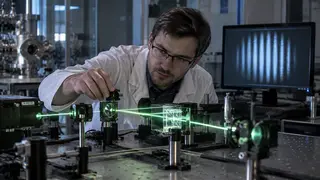
A group of researchers from Russia has developed an innovative method that allows the use of lightweight machine learning systems, that is, AI, to more effectively predict the level of quantum errors in a key distribution system. This improvement increases the reliability and speed of quantum communication systems, according to the NUST MISIS press service.
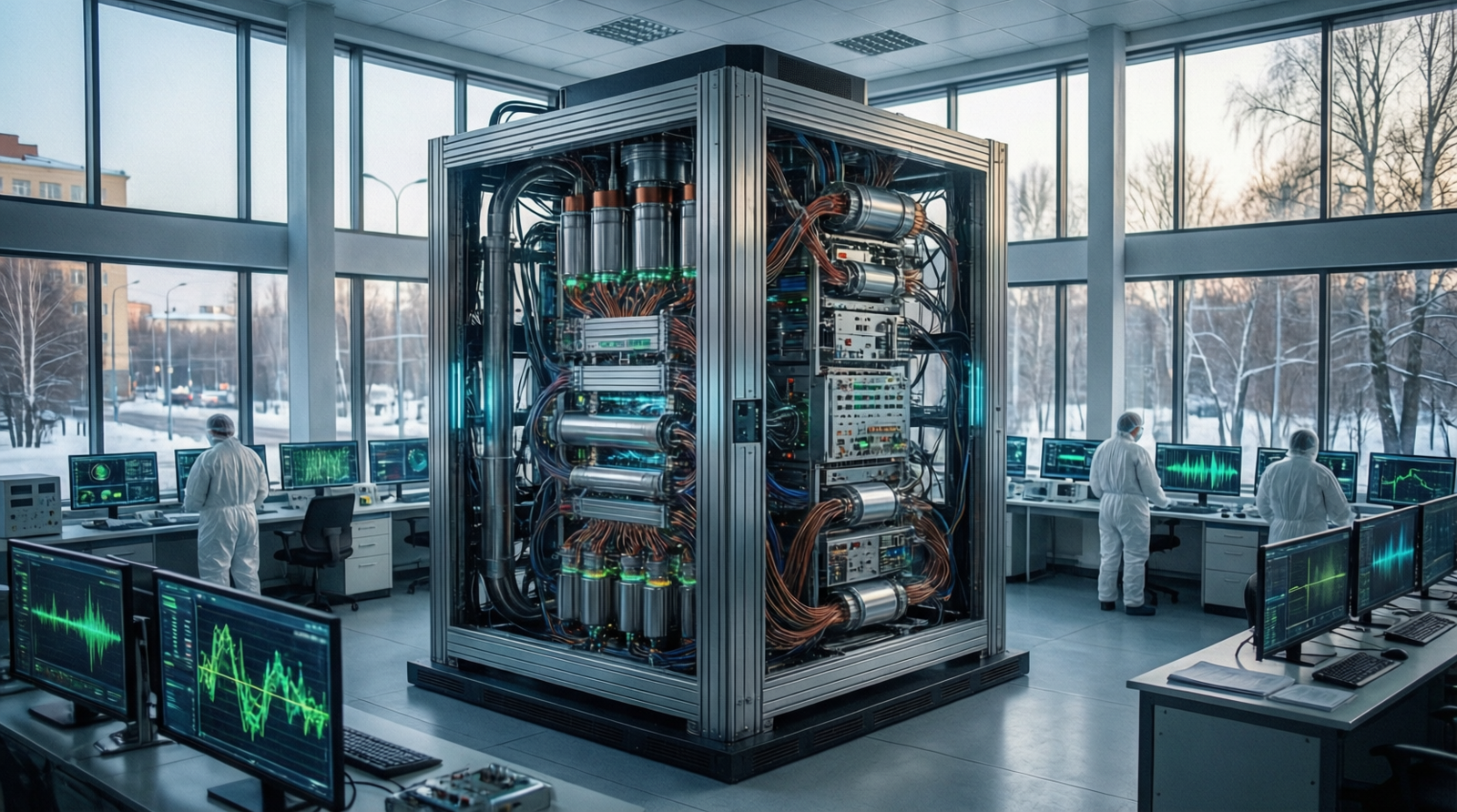
The key distribution system in quantum computers usually refers to quantum cryptography technology, which uses the principles of quantum mechanics to securely transmit cryptographic keys. It allows you to generate a common secret key that cannot be intercepted without detection.
The algorithm created by scientists uses machine learning to dynamically optimize error correction in quantum key distribution systems. Alevtina Chernikova, Rector of NUST MISIS, said that the development was an important step towards creating scalable and practical quantum networks. Its authors are scientists from NUST MISIS, HSE, as well as the domestic company QRate as part of the strategic project "Quantum Internet". Its goal is to ensure maximum data security in quantum networks.
Theoretically, such protection should be based on the principles of quantum mechanics, but in reality there are disturbances in fiber optic lines. Because of this, at the end of the communication session, users receive "raw" keys, which must match. Due to natural noise or interference from attackers, errors always occur, which are corrected using correction codes. The algorithm analyzes data in real time and selects the optimal correction algorithm.
Correction systems break keys into small blocks, each of which corresponds to a checksum transmitted over an open channel. This allows you to identify and correct mismatched bits, but with a decrease in the size of the blocks, verification slows down, which makes the process more vulnerable to attackers.
Russian scientists have discovered that the size of blocks can be optimally selected by predicting the frequency of errors during key transmission, training lightweight machine learning systems on real data obtained in the process of observing quantum communication lines. This approach ensures rapid adaptation to changes in the system, which allows reliable and fast transmission of encryption keys.
Read more materials on the topic:
- Scientists will be able to simulate any natural processes using quantum computers
- The first 50-qubit quantum computer has successfully passed testing in Russia
- Expert explained why quantum computers are called the "atomic bomb" of the XXI century
Never miss our newsAdd this site to your preferred sources to see us more oftenAdd on Google