Engineers at the NRC "Kurchatov Institute" have developed a new flexible heat and sound insulation material for aircraft. The development solves a key problem — it reduces moisture absorption without losing heat and sound insulation properties, while maintaining fire safety requirements, and has been officially registered in the FIPS database.

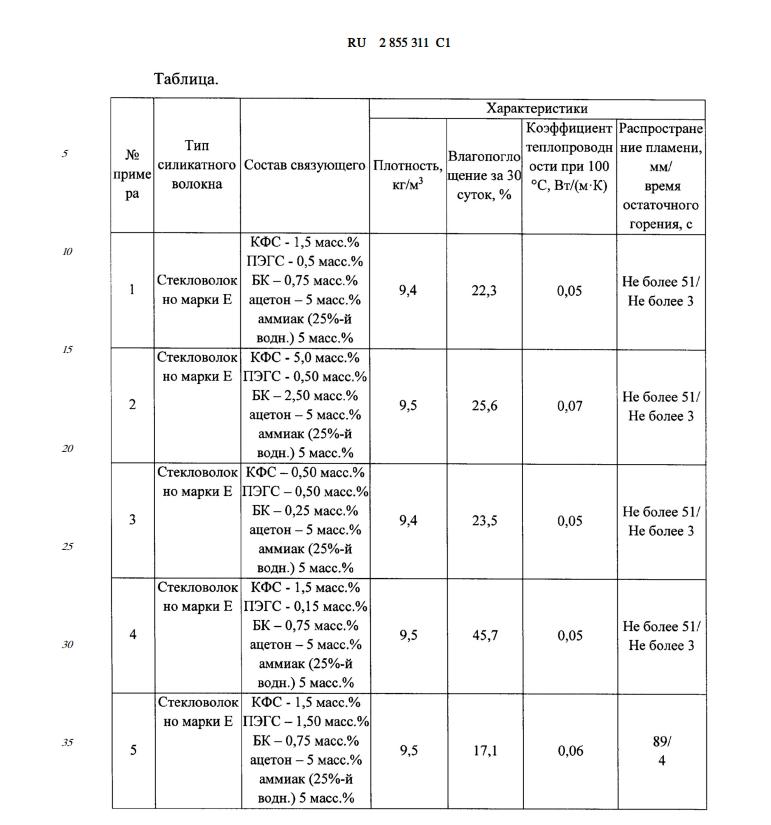
The material is based on quartz and aluminosilicate glass fibers with a density of no more than 9.5 kg/m³.
Unlike existing analogues, it contains 14–26% of a special binder based on urea-modified phenol-formaldehyde or melamine-formaldehyde resins. Siloxane water repellents, boric acid and stabilizing components were introduced into the composition.
The key effect is a reduction in moisture absorption to 50% in 30 days, while maintaining low thermal conductivity and a sound absorption coefficient of up to 0.99.
The material is resistant to "heating-cooling" cycles, vibrations and short-term exposure to high temperatures.
The Kurchatov Institute believes that the development will be useful in promising aircraft. Due to the ultra-low density of the material, the weight of the structure is reduced, which directly affects fuel efficiency and operating costs.
Read more materials on the topic:
- The West was pulling money from Russia for Superjets: now the situation has reversed
- Can the production of PD-8 engines be accelerated sharply? - A way has already been found
- The new Tu-214 accelerated to 970 km/h - almost 120 km/h faster than the cruising speed
Never miss our newsAdd this site to your preferred sources to see us more oftenAdd on Google